
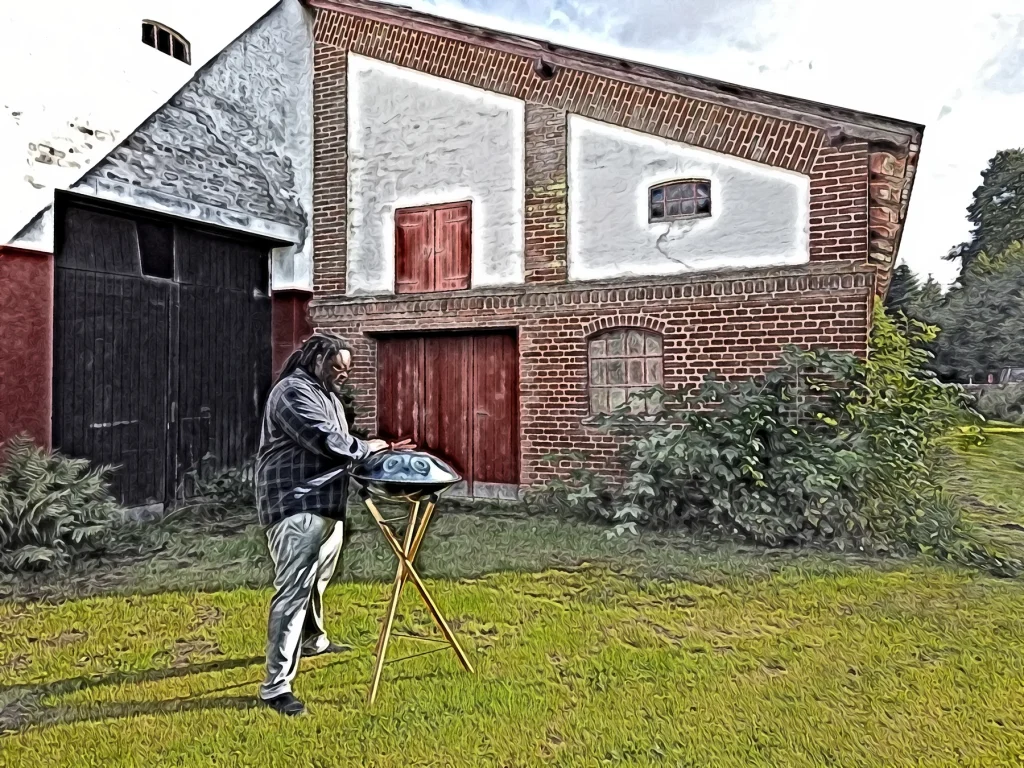
What this guide offers: a simple selection of playlists and practical tips for using the handpan to support relaxation and concentration at home, at work or in the studio.
Minimalist and melodic, the handpan creates a gentle cocoon of sound. Its hypnotic rhythms can help calm the mind, improve concentration and foster inner peace.
This introduction outlines the potential benefits: less stress, a renewed sense of focus, better sleep and a richer everyday listening experience.
The guide takes a structured approach: playlists for different goals (relaxation, concentration and sleep), selection criteria (a tempo of 60 to 80 BPM, gentle harmonies, smooth transitions and no lyrics), and simple breathing techniques.
You will find examples from Kabecao, Malte Marten, Nadishana, David Charrier and Pranarising, along with selections on YouTube, Apple Music and Spotify.
To learn more about therapeutic principles and potential benefits, see this practical guide to the benefits of the handpan and music therapy.
Why the handpan soothes the mind and body
The handpan’s harmonics can calm the nervous system and encourage slower breathing. Its vibrations may support a relaxation response, helping to lower heart rate and reduce stress.
These sounds may encourage a relaxed, attentive state associated with alpha brainwaves. This state can support relaxation, creativity and sustained attention. You can remain alert enough to read, write or think without becoming distracted.
Handpan music has an enveloping, repetitive texture without being monotonous. Its long resonances create a rich soundscape that does not overwhelm the mind or body. After a busy day, this can help ease rumination and inner tension.
- Physical effect: muscle relaxation and a slower heart rate.
- Cognitive effect: mental recovery and preparation for sleep.
- Practical uses: meditation, mindful breaks or stretching to regain a sense of calm.
| Aspect | Effect | Comparison |
|---|---|---|
| Harmonics | May encourage a relaxed state and creativity | Richer than a simple ambient track |
| Resonance | Slower breathing and a sense of calm | Fills the space without overwhelming it |
| Uses | Meditation, concentration and recovery | More versatile than some other calming music |
For practical routines that can help you recover mentally, explore ways to reduce stress before an exam. They can also be useful after a demanding day.
Relaxing handpan music: playlists and tips
Choosing the right tracks makes listening a practical tool for calming the mind or supporting focused work.

Relaxation and meditation playlists: handpan, nature and inner peace
Start with pieces that have deep resonances. For example, listen to Kabecao’s “First Grain of Sand,” followed by Malte Marten’s “Inner Peace.”
Add Nadishana’s “Promise” and David Charrier’s “Estes” to maintain a gentle sense of immersion. Play nature sounds quietly in the background to accompany your breathing.
Concentration and deep work playlists: focus, flow and steady energy
For work, choose longer selections, such as hour-long handpan music on YouTube or Apple Music. Malte Marten’s “Calming Meditation | 1 Hour Handpan Music” can help sustain concentration.
These pieces avoid abrupt changes, reducing distractions and supporting a steady flow of work for 60 to 120 minutes.
Sleep playlists that calm the nervous system
To help you fall asleep, choose music at 60 to 80 BPM, without vocals and with barely noticeable transitions. Long tracks can mask outside noise and limit brief awakenings.
Artists and albums worth exploring
Recommended artists: Kabecao, Nadishana, David Charrier, Pranarising and Malte Marten. Try arranging tracks from the brightest to the most subdued.
| Goal | Example track | Ideal use |
|---|---|---|
| Relaxation | “First Grain of Sand,” “Inner Peace” | Meditation and breaks |
| Concentration | “Calming Meditation | 1 Hour Handpan Music,” “Hang Drum Music for Focus” | Deep work and study |
| Sleep | Slow tracks at 60 to 80 BPM and nature sounds | Falling asleep and listening overnight |
To understand the potential therapeutic effects and refine your selections, read this guide to the benefits of the handpan and music therapy.
Tips for creating your ideal playlist
A good starting point is to decide how you will use it: for relaxation, concentration, meditation or sleep. This choice guides the tempo, harmonies and structure.
Combining handpan music with nature sounds can mask unwanted noise and create a more consistent atmosphere. Water, wind or birdsong can smooth the soundscape and strengthen its cocooning effect.
Vary the styles, harmonies and tempos
Alternate slow pieces with slightly more rhythmic tracks to suit your goal. Keep the transitions smooth to preserve the sense of immersion.
Choose long tracks and intentional pauses
Favor longer pieces to avoid interruptions. Add 30 to 60 seconds of silence now and then to give the listening experience room to breathe.
- Begin by defining the purpose of the playlist.
- Combine handpan music with nature sounds for a balanced soundscape.
- Add subtle instruments: piano, flute or soft percussion.
- Organize the playlist into phases (build-up, steady section and fade-out), and test the transitions.
- Use Spotify, YouTube or Apple Music to name and label your selections.
“The progression matters more than the duration: focus on the listening experience.”
For more detailed guidance, see how to create an ideal playlist.
Techniques and rituals for deeper relaxation
Before each session, a few simple steps can help you settle into a calmer state.
Mindful breathing
Diaphragmatic breathing: breathe in through your nose for four counts, then exhale gently through your mouth for four counts. Continue for 5 to 10 minutes to ease stress and calm your nervous system.
Guided meditation and music
Pair a guided meditation with gentle handpan music. The voice guides your visualization while the music provides a steady rhythm.

Natural background noise
Use rain, waves or wind as background noise. Try white, pink or brown noise to see which suits you best for masking distractions and supporting sleep.
Bedtime ritual
Turn off screens 30 to 60 minutes before bed, dim the lights and set the bedroom temperature between 16 and 20 °C. Play music without lyrics and use moderate crossfading to avoid abrupt changes.
- Before listening: breathe in and out for four counts to calm your body and nervous system.
- During the day: practice five minutes of breathing when you feel stress rising.
- If you are new to this: begin with 10 to 15 minutes, then gradually increase the time.
| Technique | Recommended duration | Expected effect |
|---|---|---|
| Diaphragmatic breathing | 5 to 10 min | Reduced stress and a calmer nervous system |
| Guided meditation and music | 10 to 30 min | Greater awareness and calming visualization |
| Background noise (rain, waves) | Continuously, as needed | Masks distractions and supports sleep |
Choose music for your needs: styles, harmonies and session lengths
Adapt the sound to your needs so that listening becomes a useful tool. First decide whether it is for work, yoga, a quiet evening or sleep.

Essential audio criteria
Tempo: choose 60 to 80 BPM for relaxation and sleep. Avoid lyrics and sudden increases in volume.
Transitions: choose smooth changes between tracks to help maintain attention.
Match the music to the moment
For work and concentration, choose minimalist, repetitive pieces with a gentle rhythm. They support focus without overwhelming you.
For yoga or quiet evenings, choose open harmonies and sustained drone sounds. For sleep, choose long tracks: each cycle lasts 90 to 120 minutes, and steady listening may limit brief awakenings.
- Useful durations: 25 to 30 min (Pomodoro), 50 to 60 min or 90 min.
- Try both headphones and speakers to find the level of immersion that suits you.
- Note how you feel after each session to refine your choices.
| Goal | Characteristics | Suggested duration |
|---|---|---|
| Concentration | Simple patterns with little variation | 50 to 60 min |
| Relaxation and sleep | 60 to 80 BPM, no vocals, gentle transitions | 90 to 120 min |
| Yoga and meditation | Open harmonies and sustained drones | 25 to 60 min |
For music and routines suited to sleep, consult this guide to refine your choices.
Conclusion
The handpan’s sound offers a balance between calm and productivity. Its minimalist texture supports relaxation, meditation and focused work.
Choose longer selections, such as hour-long handpan music, tracks without vocals and tempos of 60 to 80 BPM. Artists such as Malte Marten, Kabecao and Nadishana offer pieces suited to different times of day.
On YouTube, Spotify or Apple Music, create playlists for each moment: mornings for work, evenings for unwinding and nights for falling asleep. Add piano, flute or nature sounds to enrich the experience without adding distractions.
A few minutes of attentive listening can help you refocus, soothe your body and regain a sense of inner peace.