We are a team of passionate music lovers brought together by our shared love of musical diversity. Our journey began with a desire to share musical treasures from around the world. Each member brings a unique perspective, enriching our understanding of music worldwide. United by our commitment to inclusivity, we aim to create a space where melodies cross borders. Join us on this musical journey, where cultural richness comes alive through notes and rhythms, weaving a harmonious tapestry that celebrates the beauty of music from around the world.

Melodies from around the world are special and unique because they capture the cultural, emotional, and geographical character of different regions. Each melody is like a window into a culture, offering a listening experience that crosses language barriers. What makes these melodies so distinctive is the variety of styles, instruments, and musical traditions that shape them.
Cultural diversity shines through in melodies from around the world, as each region has its own musical influences. African melodies can be rhythmic and percussive, reflecting the continent’s rich musical heritage. In Asia, you may hear delicate, wistful melodies, often played on traditional instruments such as the sitar or koto. In South America, music can be passionate, with lively rhythms drawn from salsa, tango, or bossa nova.
The instruments used play an essential role in creating these distinctive melodies. Instruments such as the didgeridoo in Australia, the bouzouki in Greece, and the gamelan in Indonesia add a unique dimension to musical compositions. The ways these instruments are played and combined create sound textures that define each melody’s character.
Melodies from around the world do more than produce sound: they transport listeners to a particular place, time, or feeling. They are often steeped in local stories and traditions, bearing witness through sound to a community’s history and everyday life.
What makes melodies from around the world so special and unique, then, is their ability to represent cultures, connect people, and offer a rich musical experience that goes far beyond simply listening. Each melody is a sonic gem that celebrates the world’s diversity and the boundless creativity of its people.

Different regions of the world profoundly influence the sound and style of local music, creating remarkable musical diversity across the globe. This influence often stems from a complex mix of cultural, geographical, historical, and social factors.
First, a region’s geography can play a major role in shaping its musical sound. For example, Africa’s vast deserts may inspire percussive rhythms, while Europe’s mountain landscapes may give rise to captivating melodies. Natural resources, including materials available for making instruments, also have a significant influence on each region’s distinctive sound.
A community’s history is another key factor. Migration, conquest, cultural exchange, and periods of colonization have all left their mark on local music. Argentine tango, for example, emerged in Buenos Aires from a blend of European, African, and Indigenous musical influences, creating a unique style that reflects Argentina’s complex history.
Cultural and religious traditions also contribute greatly to musical diversity. Religious ceremonies, festive rituals, and artistic expression are all settings in which local music is deeply rooted. Instruments associated with particular cultures, such as the sitar in India or the banjo in America, play a crucial role in creating the distinctive sounds linked to these traditions.
Finally, social interaction and exchange between cultures help musical styles blend and evolve. Modern globalization has intensified these exchanges, allowing musical traditions to combine across the world. Genres such as reggae, hip-hop, and world music show how regional influences can cross borders and create exciting new forms of artistic expression.
Different regions of the world therefore shape the sound and style of local music in many ways, creating a rich musical tapestry that reflects the world’s cultural and geographical diversity.
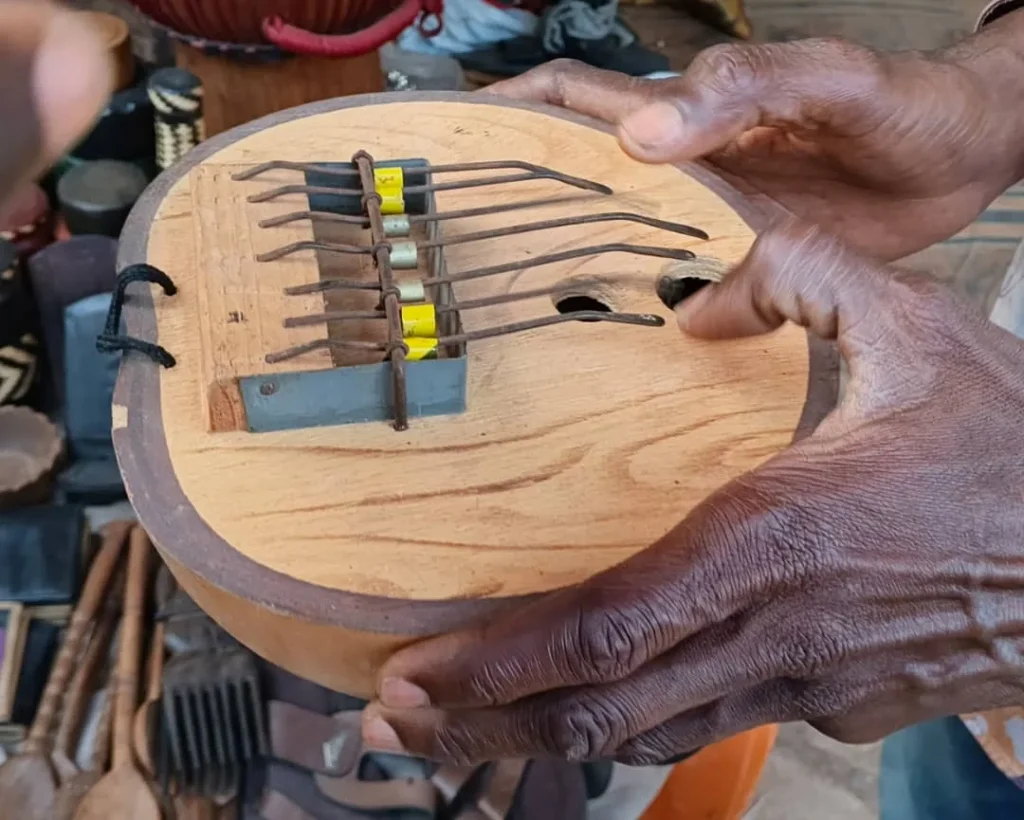
17- or 21-Tine Kalimba: Which Should You Choose?

17-Key Kalimba: A Beginner’s Guide

Best kalimba: how to choose the right one
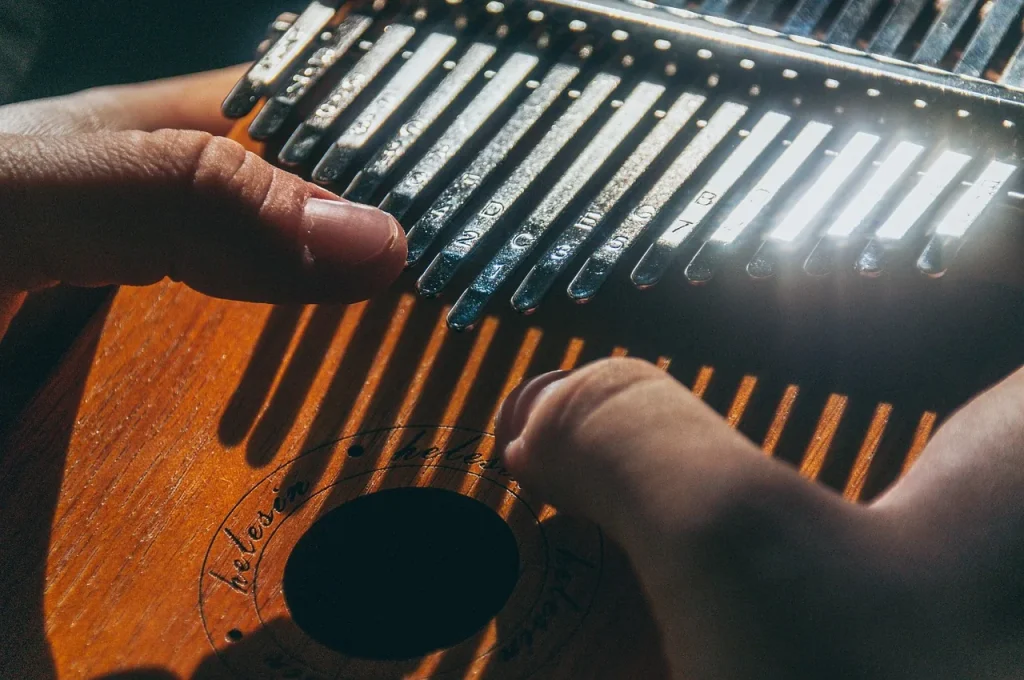
How much does a kalimba cost?
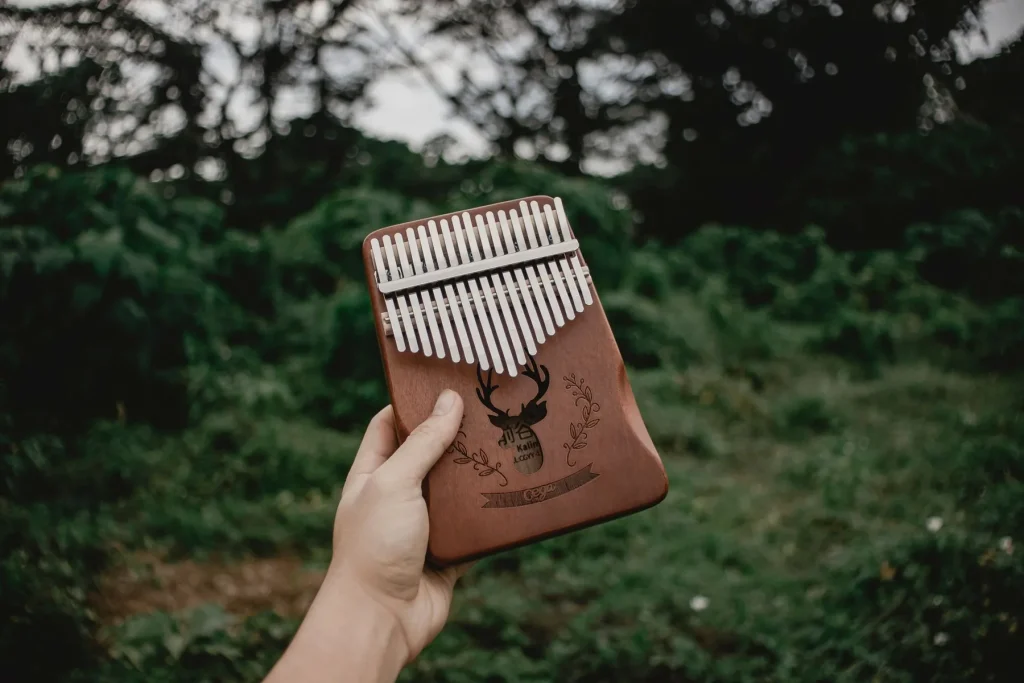
Which kalimba should you buy for your skill level and budget?