

The kalimba is a fascinating instrument from Africa, often called a thumb piano. Accessible and intuitive, it is ideal for anyone who wants to start making music without knowing how to read it. There is, however, no single answer to the question of which model is best.
Every musician has different expectations and needs, making the choice of this instrument highly personal. This guide will help you identify the essential factors to consider, including the number of tines, the material and your budget.
As the kalimba grows in popularity, helped by viral videos on platforms such as YouTube, making an informed choice matters. It can help you avoid disappointment and get off to a good start. Drawing on more than 10 years of experience, this guide offers reliable recommendations to help you feel good about your purchase.
What is a kalimba, and why play one?
This fascinating musical instrument, often called a thumb piano, has roots in Africa, particularly among the peoples of the Zambezi Valley. With its long history, the kalimba, also known as the mbira or sanza, has endured through the centuries and found a place in the modern world.
The kalimba’s origins and popularity
Kalimbas have been made using traditional methods for centuries. They consist of metal tines mounted on a wooden body. Their popularity has surged thanks to social media, particularly YouTube and Instagram, where performances of familiar songs attract viewers. The #kalimba hashtag has already surpassed 2.3 million views on TikTok.
Benefits for beginners and musicians
What makes the kalimba especially appealing is how easy it is to learn. Beginners can start making music quickly with a limited number of tines, usually between 10 and 17. Entry-level models are also affordable, at around €30, making them an appealing choice for people exploring percussion instruments.
An accessible, versatile instrument
The kalimba suits everyone from children to adults, including experienced musicians. You do not need to read music to play pleasant melodies. It also slips easily into a bag, so you can play at home or on the go.
The kalimba also offers a distinctive sensory experience. Its gentle, captivating notes create a relaxing atmosphere and an immediate sense of well-being. Online resources, including tutorials and sheet music, support independent learning and help players progress quickly.
| Feature | Details |
|---|---|
| Origin | Zambezi Valley, Africa |
| Number of tines | 10 to 17 tines |
| Starting price | About €30 |
| Accessibility | No music-reading skills required |
| Portability | Easy to carry |
In short, the kalimba is much more than a simple musical instrument. It offers a rewarding experience for beginners and seasoned musicians alike. To learn more about this captivating instrument, explore additional resources on kalimbas.
Number of tines: a key consideration for beginners
Understanding why the number of tines matters is essential when learning to play the kalimba. It affects both how easy the instrument is to use and how far a beginner can progress musically.
10- to 15-tine kalimbas: simple and easy to learn
Kalimbas with 10 to 15 tines are ideal for newcomers. Their simplicity is reassuring for beginners. With fewer keys, it is easier to become familiar with the notes and learn quickly.
These models let you play simple melodies without feeling overwhelmed. They are well suited to people discovering music for the first time.
Choosing a 17-tine kalimba: the standard and its advantages
The 17-tine kalimba has become the market standard. It is the most widely sold model and offers a good balance between accessibility and room to grow. With 17 tines, players can explore a variety of songs and benefit from a wide range of online tutorials.
Beginners who feel unsure can start by playing only the 10 longest tines. This lets them practise as though they were using a simpler instrument before expanding their repertoire.
More than 17 tines: greater complexity for advanced players
Although 21-tine kalimbas are interesting, they are not recommended for beginners. Some musical background helps you get the most out of them. The four additional keys change the tine layout, which can confuse new players.
Models with more than 21 tines, such as 24-, 34- or 42-tine kalimbas, are best left to experienced players. These instruments are often chromatic, require more advanced skills and are not suited to newcomers.
For a first kalimba, choose a model with 10 to 17 tines. It will make learning more enjoyable and motivating.
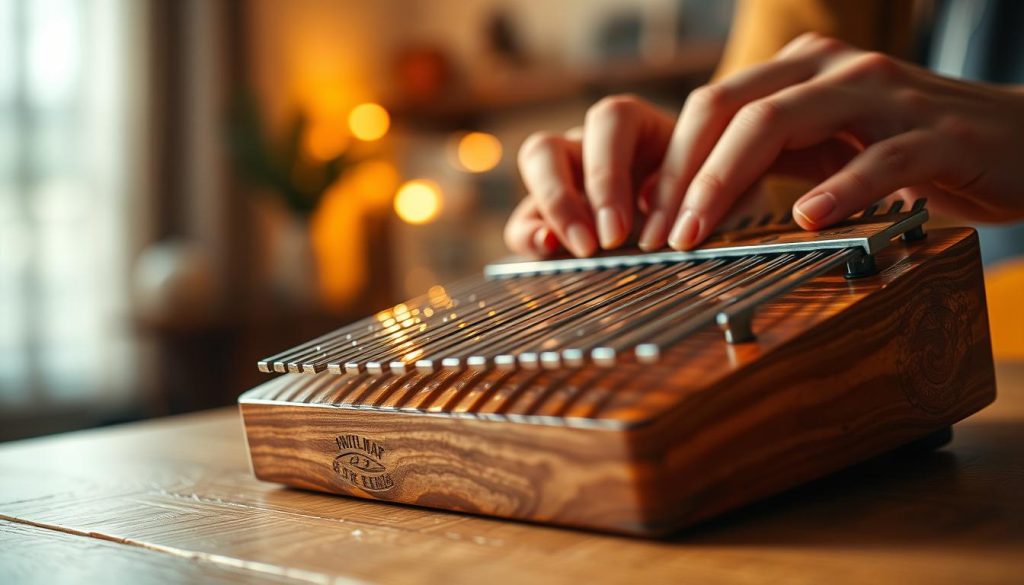
Wood or acrylic: which material should you choose for your kalimba?
Material is an important consideration when buying a kalimba. Two options stand out: wood and acrylic. Each has its own characteristics, advantages and drawbacks.
Characteristics of wooden kalimbas
A wooden kalimba is the traditional choice. It reflects the heritage of instruments made by African peoples over the centuries. Here are a few key points:
- Mahogany: this soft, lightweight wood is particularly recommended for beginners. It produces gentle, warm tones while remaining affordable.
- Other woods: walnut, acacia, padauk and pine offer different shades of sound, allowing musicians to tailor their playing experience.
- Light weight: wood’s low weight makes longer playing sessions less tiring, an important consideration for beginners who need regular practice.
Characteristics and drawbacks of acrylic
Acrylic kalimbas, also described as PMMA kalimbas, have a modern, transparent design. Although visually appealing, they have some drawbacks:
- Price: they generally cost more than wooden models, which may put beginners off.
- Weight: they are heavier than wooden models and may cause wrist or forearm discomfort during long sessions.
How material affects sound and playing comfort
Material has a significant effect on sound. Mahogany, for example, produces gentle tones well suited to this instrument. Acrylic can sound slightly different, often with a clearer, more crystalline tone.
For playing comfort, the lighter weight of wood makes longer sessions less tiring. This is especially useful for beginners who need to practise regularly to improve.
If appearance is the deciding factor, choose an acrylic kalimba that you genuinely like. For easier learning, however, a mahogany model is a good choice because it is light, affordable and gentle-sounding.
To learn more about the differences between these materials, read this detailed article.
Essential accessories for getting started with the kalimba
The right accessories can make learning easier and more enjoyable. Buying a kalimba without the equipment you need is strongly discouraged.
A tuning hammer to keep every note in tune
A tuning hammer is an essential tool. It lets you adjust the pitch of the steel tines. With it, you can keep your kalimba in tune despite changes in temperature or humidity and maintain its sound quality.
Stickers to make notes easier to read
Note stickers are particularly helpful for beginners. Applied to the keys, they let you identify notes at a glance. This makes it easier to locate the tines and speeds up learning. These small, colorful markers can make the instrument feel less intimidating.
Bags, booklets and other useful accessories
A carrying bag protects your instrument from bumps and dust. It also makes it easier to take your kalimba wherever you want to play. An instruction booklet or collection of sheet music is another useful addition, offering a structured way to learn.
Other accessories are available too. Cases, cleaning cloths and even decorative items such as tassels can add to the experience, although decorations are not essential when starting out.
For good value, consider a complete set. These often include the kalimba, a tuning hammer and stickers, so you can start playing right away.
In short, some accessories may seem secondary, but they can make learning easier and help your instrument last longer. They are worth considering.
| Accessory | Purpose |
|---|---|
| Tuning hammer | Adjusts the pitch of the tines |
| Note stickers | Make notes easier to identify |
| Carrying bag | Protects the instrument and makes it easier to carry |
| Instruction booklet | Provides structured learning methods |
| Cleaning cloth | Removes dust from the tines |
For more information about choosing accessories, see our complete guide.
Resonator box: what difference does it make?
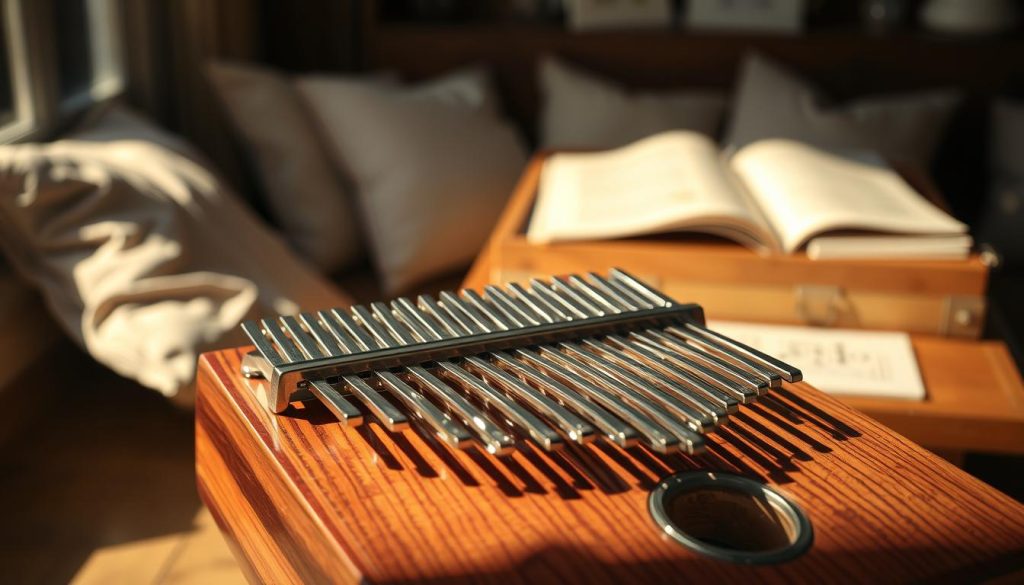
Choosing a kalimba with or without a resonator box can affect your playing experience. Kalimbas fall into two main categories: those with a resonator box, called “hollow” models, and those without one, called “flat” models. The distinction affects both sound and playing comfort.
Hollow kalimbas: amplified sound and lighter weight
Models with a resonator box are often lighter, an advantage for beginners. Their low weight makes extended playing less tiring. The box also amplifies vibrations and produces a richer, more resonant sound.
Hollow kalimbas also let you explore distinctive sound effects. By covering and uncovering the sound holes with their fingers, players can create engaging variations and add expression to their playing.
Flat kalimbas: durability and simplicity
A flat kalimba is sturdier and better able to withstand bumps. Its thicker construction makes it suitable for musicians who frequently carry their instrument. Although its sound is drier, it can offer greater precision when playing.
This model is particularly suitable for players who want straightforward use without giving up quality. It may be slightly heavier, but that contributes to its durability.
Sound effects possible with resonator boxes
Hollow kalimbas offer sound possibilities that flat models cannot match. By shaping the sound with your fingers, you can create vibrato effects and make melodies more dynamic and expressive.
In short, a hollow kalimba is recommended for beginners. Its amplified sound and range of effects can make learning even more engaging.
| Kalimba type | Advantages | Drawbacks |
|---|---|---|
| Hollow | Lightweight, amplified sound, varied sound effects | Relatively fragile, requires care when transported |
| Flat | Durable and easy to use | Drier sound, fewer possible sound effects |
Best kalimba: choosing between instrument types
Kalimbas come in several forms suited to different skill levels. The two main types are diatonic and chromatic. Each has features that affect learning and playing.
Diatonic kalimbas: simple and lightweight for all ages
A diatonic kalimba is easy to recognize by its single row of tines for the notes of a scale, much like the white keys of a piano. This model is especially valued for its light weight and ease of use.
There is a wide selection of models, some with resonator boxes and others without. Diatonic kalimbas are accessible to everyone, including children and older adults. They do, however, have some limitations.
Because they lack semitones, you may need to retune a tine to play certain pieces. That can become tedious during longer sessions. The limited number of tines can also frustrate players who want to explore more complex compositions.
Chromatic kalimbas: room to grow for experienced musicians
A chromatic kalimba gives players room to develop. Its multiple rows of tines provide both whole tones and semitones, making it a good choice for musicians who want to compose or play arrangements of familiar songs.
Although these models cost more initially, at around €80 to €300, they may save money over time by reducing the need to buy additional instruments.
Beginners can focus on the row of whole tones, then gradually add semitones. This can help them avoid buying several instruments as their skills develop.
Advantages and drawbacks of both types
A diatonic kalimba is ideal for very young players or those on a tight budget. Its low weight and simplicity make it beginner-friendly. A chromatic kalimba is recommended for people who already play music or want to compose.
Consider your needs and budget before choosing. Around 80% of diatonic kalimba players eventually switch to a chromatic model to move beyond the limits imposed by the lack of semitones.
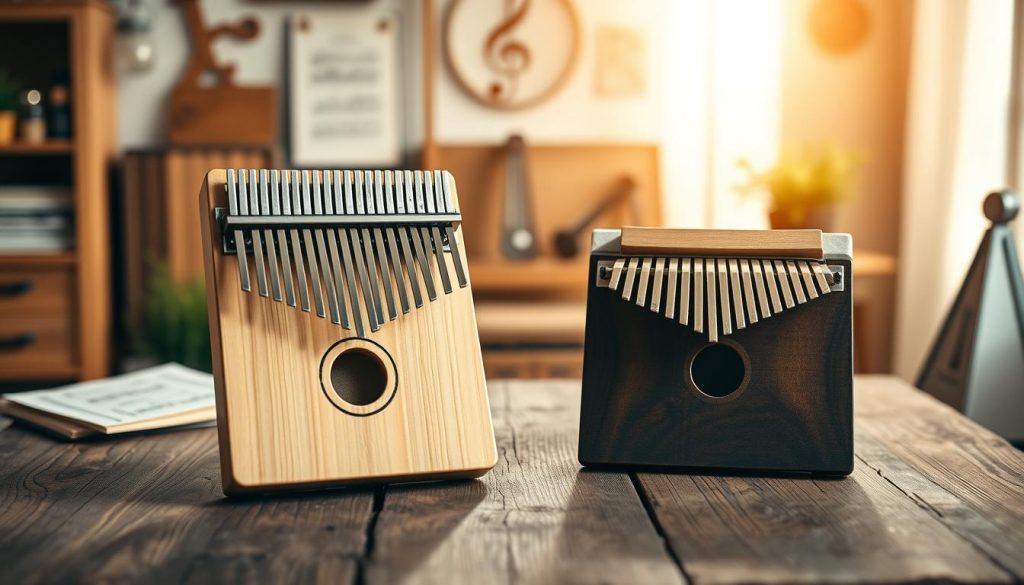
Tunings and tone: how to choose for your needs
Choosing a kalimba’s tuning is essential to enjoying the instrument. Tuning affects its sound, how you learn and how you use it. Here is an overview of the available options and their effects.
Standard tunings: C major and the pentatonic scale
C major is the most common tuning for a kalimba. It has a gentle, harmonious sound that suits beginners. This tuning lets you practise without worrying about notes outside the scale.
Another popular option is the pentatonic scale. It works especially well for newcomers because its notes sound harmonious together. Improvisation can feel intuitive and enjoyable from the first few minutes.
Choosing a tuning for your playing style
Your intended use also matters. If you want to play from sheet music or alongside other instruments, C tuning is the simplest and most widely used. If you want to compose, a non-redundant tuning can give you a wider range of notes to explore.
Kalimbas with lower, warmer tunings such as G, F#, F or E are recommended for people who experience anxiety. Their sound can feel comforting. Conversely, higher, more crystalline tones may suit people without anxiety better.
How tone affects musical and emotional experience
Tone plays an important role in the musical experience. A metallic or excessively bright sound may increase anxiety for sensitive listeners, while a rounded, warm tone can encourage relaxation and well-being.
For neurodivergent players, particularly those with autism or ADHD, F# or B-flat tunings may be preferable. They offer a balance of warmth and brightness, with a deep, even tone that does not sound harsh.
For babies’ early musical experiences, choose a kalimba with a clear but nonmetallic sound, tuned to B or A. They can enjoy the instrument’s vibrations while discovering music.
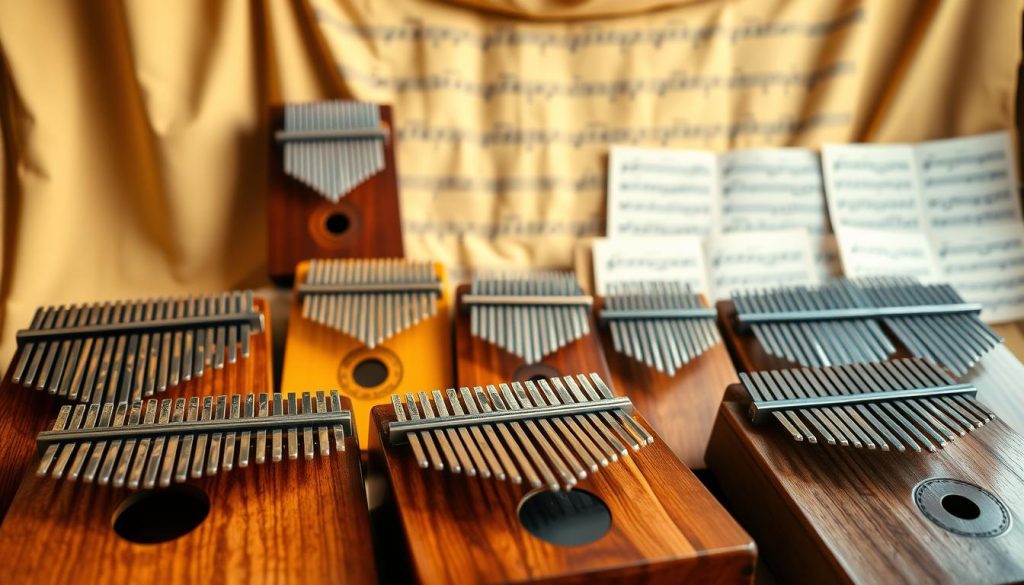
If you are unsure which tuning to choose for a gift, B or B-flat for a non-redundant chromatic model, G or F# for a redundant chromatic model, and B or A for a diatonic model are generally safe choices. For more information, see our complete guide.
Which brands should beginners consider?
Brand is worth considering when buying a kalimba because it can affect your learning experience. Some brands stand out for their reputation and instrument quality.
Why you might avoid premium brands at first
Brands such as Gecko, Lingting and Hluru are known for premium instruments. Their prices, however, can be two to three times those of entry-level models. For a beginner, buying a premium brand carries a risk: if you stop playing, an expensive kalimba may end up unused in a closet.
Examples of beginner-friendly brands and sets
Beginner sets are worth considering. Even without a prestigious brand name, these models often have many positive reviews, which can be a useful sign of their suitability for learning. A well-reviewed entry-level kalimba with essential accessories is an excellent starting point. For example, Instruments du Monde offers a kalimba designed for newcomers at good value.
How to read reviews and find good value
When reading online reviews, keep these points in mind:
- Check how many reviews there are to better judge their reliability.
- Read detailed comments to understand a model’s strengths and weaknesses.
- Look for feedback from beginners with needs similar to yours.
An entry-level kalimba priced between €30 and €40 is often a good option. It lets you explore the instrument without spending too much.
| Brand | Type | Approximate price |
|---|---|---|
| Instruments du Monde | Beginner set | €30 to €40 |
| Gecko | Premium | €80 to €150 |
| Lingting | Premium | €70 to €120 |
| Hluru | Premium | €90 to €200 |
The best beginner kalimba is not necessarily the most expensive. It should meet your immediate learning needs and fit your budget. Start with an affordable model to see whether you enjoy the instrument, then consider a premium brand if you want to continue.
How much should you budget for a suitable kalimba?
Budget is a key factor when buying a kalimba. Beginners are advised to spend no more than €50. A reasonably good kalimba can be found for around €30 to €40, offering an appealing balance of price and quality.
Be cautious with models priced below €20. At that price, materials and construction are often of lower quality. This can lead to tuning problems, poor resonance and limited durability.
Price ranges for beginner kalimbas
For a first purchase, €30 to €50 is a useful target. This range can buy a decent mahogany kalimba with well-tuned steel tines. Such models often include essential accessories, such as a tuning hammer and stickers.
How budget affects quality, materials and accessories
Spending €30 to €40 can get you an instrument suited to your needs. Kalimbas in this price range are generally made from good-quality wood and offer a pleasant sound. From around €80, you can find premium kalimbas made from woods such as black walnut, with careful finishing and sometimes additional features.
Options for a larger budget
If you can spend more, consider a kalimba with an output jack. It will let you record your playing or connect the instrument to a speaker. More expensive models may also offer decorative accessories and premium materials.
The kalimba remains one of the more affordable instruments. Its starting price is much lower than that of a guitar or piano, making it an appealing way to explore music without a large financial commitment.
For a satisfying start, aim to spend €30 to €50 on a set that includes the essential accessories. You can then begin playing with confidence in your purchase.
| Budget | Kalimba type | Features |
|---|---|---|
| Under €20 | Low-end | Poor quality, tuning problems |
| €30 to €40 | Entry-level | Mahogany, accessories included |
| €80 to €150 | Premium | Fine wood, output jack, careful finishing |
Conclusion: choose the right kalimba for a good start
Choosing your first kalimba can feel difficult when there are so many options. Beginners may feel lost and disappointed by an unsuitable purchase. This guide has given you the information you need to match your choice to your needs.
Remember these key points: consider a mahogany model with 10 to 17 tines and a resonator box. Think about essential accessories and the tuning you prefer. Your choice should reflect your age, musical experience and goals.
Take your time with the many options on the market. The advice in this guide can help you find a kalimba that truly suits you. This accessible, rewarding instrument offers an easy introduction to making music.
To get started, consider Instruments du Monde, which offers quality kalimbas at affordable prices. Now is the time to choose yours and begin your musical journey!
Remember: the best kalimba is not necessarily the most expensive. It is the one that meets your needs and brings you enjoyment from the first notes.