
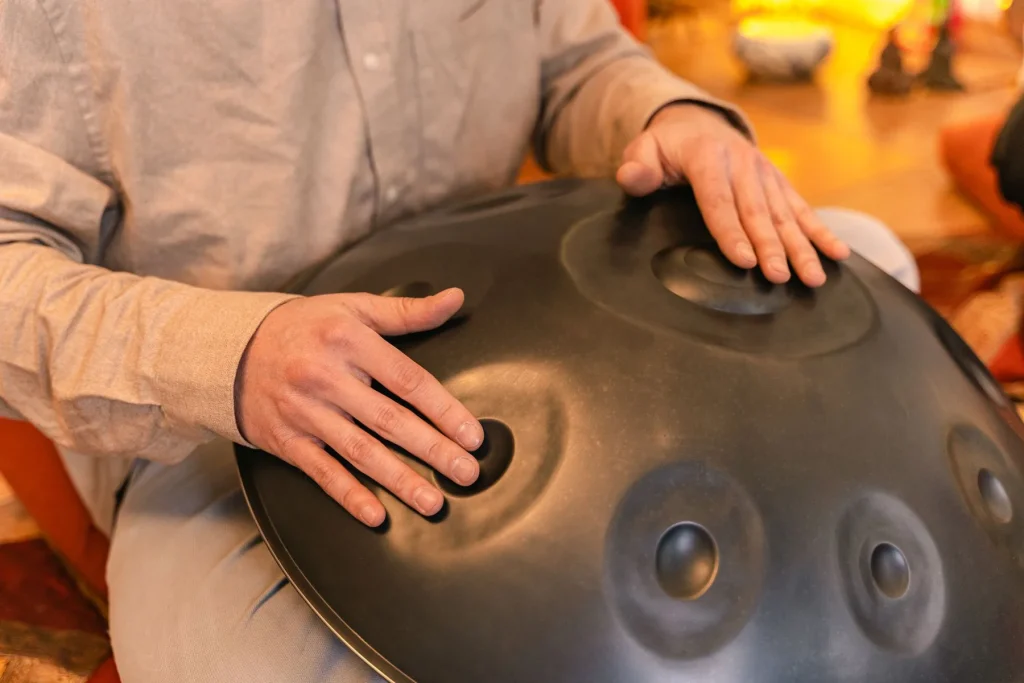
Goal: this article helps every player choose a suitable product and establish a simple care routine. The aim is to preserve the instrument’s sound quality and appearance over the long term.
A handpan is an instrument made of thin steel. It is vulnerable to moisture, sweat and temperature changes. Simple habits can limit rust and preserve its beautiful sound.
We will present two options: Phoenix Oil, specially formulated for this purpose, and gentler alternatives depending on use and climate. You will find practical advice on application, cleaning and storage at home, in the studio or outdoors.
The information includes recommendations from makers such as Metal Sounds and from players. We will explain how to choose a cloth, use isopropyl alcohol, set a care schedule and remove rust gently.
Expected result: extend your handpan’s life, reduce the risk of it going out of tune and preserve an inspiring sound for your music.
Why handpan care calls for a suitable oil
Proper care is essential to preserve a handpan’s resonance.
Handpans are often made of steel about 1.25 mm thick. Whether nitrided or stainless, this steel remains sensitive to moisture, sea salt and temperature changes. These factors encourage rust and can affect sound quality.
A light protective coating creates a thin barrier against oxidation without damping vibrations. This is why wiping the instrument after each use is recommended.
Isopropyl alcohol removes grease from the surface before a protective coating is applied. It cleans thoroughly without leaving a film. Take care not to soak the surface.
Nitrided steel instruments need a stricter routine than some stainless steel instruments. Near the sea or in a tropical climate, you will need to treat them more often. In a dry climate, applications can be less frequent.
A padded case protects the instrument from knocks during travel. Above all, watch your instrument: if you notice signs of corrosion, act promptly to clean and protect a handpan.
| Problem | Cause | Recommended action |
|---|---|---|
| Early rust | Moisture or salt | Clean with alcohol, then apply a light coating |
| Sweat deposits | Frequent contact | Wipe after use and occasionally remove grease |
| Physical impact | Transport without protection | Use a padded case and arrange repairs if needed |
Handpan oil: Phoenix or natural alternatives
Choosing a suitable product can prevent corrosion while preserving the sound.
Phoenix Oil: composition, safety and protection
Phoenix Oil is formulated with natural oils, antibacterial agents and essential oils. It contains 0.5% plant-based polymer, which creates a very thin film against rust without weighing down the surface.
Dermatologically tested, it does not irritate the skin or respiratory tract. Application is simple: clean with alcohol if necessary, add a few drops, spread the product, wait, then wipe away the excess with a microfiber cloth.

Common oils and wax: benefits and limitations
Coconut oil, grapeseed oil and beeswax are gentle alternatives. They provide basic protection and suit home use or a dry climate.
However, some thick oils or industrial products may clog the surface and attract dust. Makers such as Metal Sounds advise against solvents and multipurpose lubricants such as 3-in-1 oil.
Practical comparison: sound, residue, health and longevity
To preserve the sound, choose products that do not dampen the attack or sustain. Phoenix Oil was designed to preserve note clarity.
On nitrided steel instruments, a dedicated formula limits excessive absorption and changes in response. Always test the product on a small area before applying it to the entire surface.
| Criterion | Dedicated formula | Oils and wax |
|---|---|---|
| Rust protection | High, thanks to a thin film | Moderate |
| Residue | Little residue | Risk of buildup |
| Compatibility with metal | Designed for it | Varies with viscosity |
Frequency: apply the product more often in a humid or salty climate. During the dry season, one or two applications a month may be enough, depending on use.
Preparing your handpan before applying oil
Cleaning it first prevents old residue from being trapped under the new protective coating.
Cleaning with isopropyl alcohol: use alcohol at a concentration of 90% or higher, applied to a soft cloth. Never soak the instrument. Quickly wipe the areas touched by your hands, the rim and the note dimples.
Removing residue and taking precautions
Remove any traces of old protective product, dust or sweat. Alcohol dissolves greasy films; wipe the surface afterward to prevent oxidation.
Choosing the right microfiber cloth
Choose a good-quality, lint-free microfiber cloth. Reserve it for this instrument and wash it without fabric softener. A clean cloth helps the next coating adhere.
| Step | Action | Why |
|---|---|---|
| Degreasing | Alcohol on a cloth | Removes oil and dirt |
| Wiping | Dry promptly | Prevents rust |
| Critical areas | Rim, underside, note dimples | Prevents residue buildup |
Wash your hands before you begin. Avoid harsh solvents and abrasives. After cleaning, reapply a suitable protective product and consult a guide on how to clean a handpan if needed.
Applying oil step by step for the best protection
Good application starts with a minimal amount and even movements.
Start with very little product: a few drops are enough for the whole top surface. If an area looks dry, add one drop without overdoing it.
Spread the product in broad, even movements over each note and then the shell. Do not press hard enough to heat the surface. A microfiber cloth reserved for this purpose helps spread it more evenly.
After leaving it for a few minutes, buff gently to even out the film. The aim is a surface that feels dry to the touch, without a greasy coating.

- Do not apply thick coats: they weigh down the response and reduce sound clarity.
- Avoid heavy oils that are not intended for instruments; they may soak into the surface.
- Do not use the same cloth as you use for alcohol: reserve one cloth for oil.
| Step | Quick action | Indicator |
|---|---|---|
| Amount | A few drops for the top surface | Surface is not shiny |
| Spreading | Broad movements over the notes and shell | Even film |
| Finishing | Wipe away excess with a microfiber cloth | Dry to the touch, sound unchanged |
Final tip: small, regular applications are better than an occasional heavy treatment. Play a few notes afterward to check the tone.
How often should you care for it, based on use and climate?
Adapt your routine to your actual conditions.
Practical guideline: for ordinary use, a light cleaning and a few drops applied once a week are enough. In a humid climate or near the sea, treat the instrument more often.
Warning signs include sweaty hands after a session, persistent marks, a rough feel or a long period in a case. These call for prompt action.

During periods of intensive use, such as rehearsals, lessons or festivals, always wipe the instrument after each session and apply protection more frequently. After travel in a salty or tropical environment, inspect the surface and treat it promptly.
Differences by metal: nitrided steel instruments need more attention than some stainless steel instruments in a dry climate. Also avoid sudden temperature changes and direct sun during storage.
“A light, regular routine extends the instrument’s life without affecting its sound.”
Recommended approach: inspect the metal each month and adjust the frequency based on what you find. Record the date, conditions and the metal’s response to determine the best schedule for your situation.
| Setting | Suggested frequency | Key action |
|---|---|---|
| Home use, dry climate | A few applications a month | Wipe regularly |
| Regular use | Once a week | Clean and apply a light coating |
| Humid climate or travel | More often | Inspect frequently and treat promptly |
Preventing rust every day: environment, storage and transport
A suitable environment helps prevent rust from forming quickly.
Keeping the instrument in a dry place at a moderate temperature limits temperature shocks and exposure to moisture.
Avoid very humid rooms and abrupt temperature changes. Letting the instrument air outside a damp case reduces condensation and the risk of corrosion.
Protection from sun and heat
Direct sunlight and heat can cause the metal to expand. This can affect tuning and create small stresses.
Storage and transport
Use a floor or wall stand for safe everyday storage. When traveling, choose a padded case to protect the handpan from knocks and help maintain a stable environment around it.
- Wipe the surface after every session, especially in salty conditions, and apply a very thin layer of oil if needed against rust.
- Remove jewelry and hard objects before playing, and keep your hands clean to limit scratches and deposits.
- Check vulnerable areas regularly so you can spot early rust on the handpan.
“Simple daily attention preserves the instrument’s life.”
What if rust has already appeared on your handpan?
Identifying the affected area precisely helps avoid cleaning too aggressively.
First step: clean the handpan with a cloth dampened with isopropyl alcohol. This dissolves grease and dirt and makes the rust easier to see.

Gentle removal techniques
Rub gently with a nonabrasive sponge or a specialized cloth. Use circular movements and do not work too hard on the protective patina.
For stubborn spots, an impregnated polishing cloth such as Cape Cod may help. Use it sparingly to avoid removing the beneficial oxide layer.
Reapplication and checks after treatment
After removing the residue, wipe the surface carefully to clear away any rust dust. Then apply a very thin layer of oil to restore the protective barrier.
Check the sound immediately: listen to the attack and sustain. If an area looks dull, choose light, repeated applications instead of a thick coat.
- Dry treated areas thoroughly to prevent corrosion from returning.
- Adjust care frequency to humidity and use.
- Consult the maker if the affected area is extensive or the finish is unusual.
| Step | Action | Indicator |
|---|---|---|
| Assessment | Clean with alcohol to identify the affected area | Area visible, residue dissolved |
| Removal | Nonabrasive sponge or specialized cloth | Surface rust reduced without abrasion |
| Finishing | Apply a thin layer of oil | Dry to the touch, sound unchanged |
Patience and a gentle touch: several small treatments are better than one aggressive cleaning.
Long-term care habits and mistakes to avoid
A simple, regular routine considerably extends your instrument’s life.
Compatibility: nitrided or stainless steel, and which products to choose
Nitrided steel needs extra attention: it absorbs less moisture but reacts more strongly to unsuitable products. Choose dedicated formulas recommended by makers, such as light waxes or special oils designed for musical instruments.
Stainless steel tolerates variation better but remains sensitive to sweat deposits and salt. Avoid industrial formulas such as 3-in-1 oil and harsh solvents, which may damage the finish.
Hand hygiene and playing technique
Always play with clean hands and without jewelry. Rings and bracelets cause scratches and small impacts.
Use a gentle technique: light strikes preserve the tuning and prevent unwanted noise.
- Wipe the surface after every session: this simple habit makes a substantial difference to the metal’s condition and lifespan.
- Keep the instrument away from sunlight and heat sources to stabilize stresses in the metal.
- Follow the principle of “a little, done well”: thin applications, clean cloths and a regular care routine.
| Point | Advice | Why |
|---|---|---|
| Product | Dedicated formulas | Compatibility with the finish |
| Hygiene | Clean hands, no jewelry | Prevents scratches and deposits |
| Frequency | Wipe after every use | Reduces corrosion |
Record each treatment, including its date, the product used and the metal’s response, and contact the maker if you are unsure whether a product is compatible with a particular finish.
Conclusion
Regular care is more effective than an occasional major treatment.
In practice, establish a simple routine: wipe with a microfiber cloth after playing, clean occasionally with alcohol, then apply a very thin layer of a product made for the instrument. These steps limit rust and help keep its tone consistent.
A dedicated formula containing 0.5% plant-based polymer provides a subtle barrier without stickiness or changes to the sound. Light oils and waxes can supplement this care if their compatibility with the metal has been checked.
Keep the instrument in a dry room, away from direct sunlight, on a floor stand or in a padded case. Adjust the care schedule to use and humidity.
Result: better protection, fewer major treatments and music preserved for years to come.