
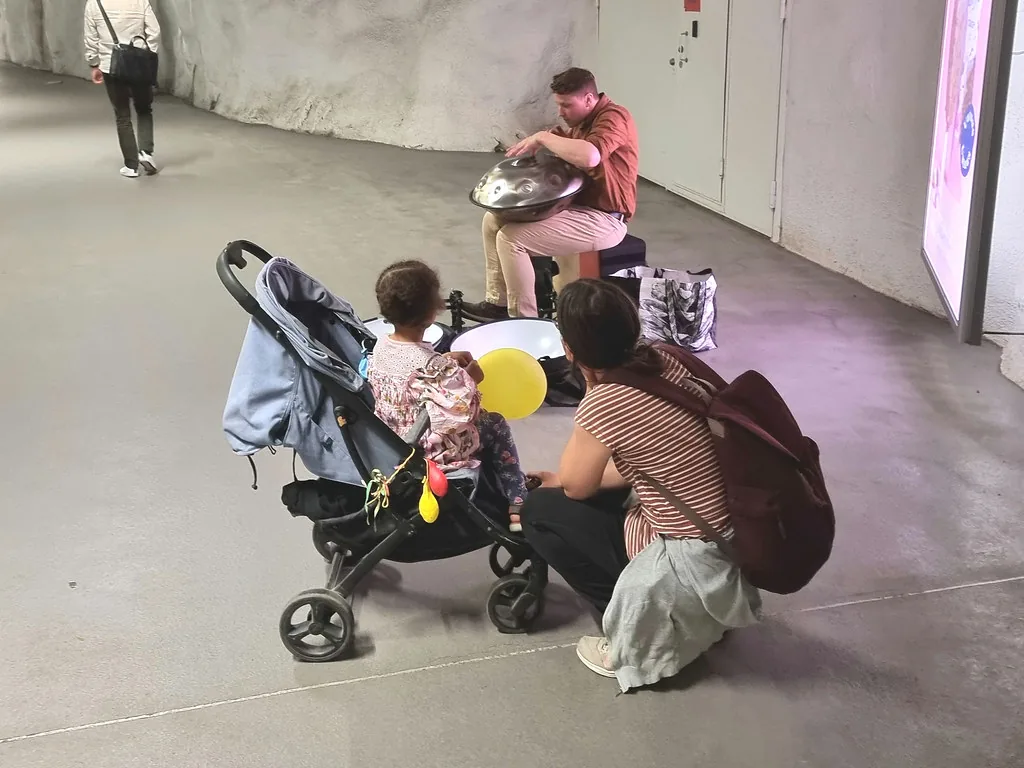
This 2025 guide offers a quick look at the musical signatures of the handpan and steel tongue drum, along with what you will discover as you explore this list.
We place these artists within the French and European music scenes, where intimate concerts, outdoor sessions and acoustic performances are growing in popularity.
We describe the differences in tone and attack between the handpan and the steel tongue drum: harmonic nuances for meditative atmospheres and more percussive attacks for rhythmic pieces.
Selection criteria: impact in concert, quality of arrangements, accessibility for first-time listeners and potential for a focus or relaxation playlist.
Coming up: an overview of the scenes in 2025, a look at each artist’s style, then tips for discovering them through playlists, videos and suitable settings.
Listening tips: use closed-back headphones, settle into a quiet environment and keep the volume moderate to hear the sustain and harmonics. Outdoor concert videos reveal the groove, polyrhythms and muted-note techniques.
This practical guide offers track lists, listening contexts and pointers to related projects. New releases appear quickly; we favor representative tracks with lasting appeal.
Finally, note your impressions (textures, atmospheres, emotions) to refine your searches by tempo and mood, as well as your options for personalized content, services, ads, content ads, data, cookies, privacy, settings, location, things and also use.
Current overview of handpan and steel tongue drum artists
Back to the roots: in 2025, the scene favors intimacy and attentive listening. Acoustic performances, “tiny desk” sessions and wellness festivals put these instruments at the heart of meditative atmospheres.
Typical venues include small halls, churches, art studios, yoga events and street corners chosen for their acoustics. These settings bring out the sustain and harmonic range.
Overlapping influences: minimalism, world music, ambient and neoclassical music. Subtle electronic layers enrich the sound without obscuring its resonance.
The handpan’s harmonic field rests on fundamental tones and partials. Its playing areas create patterns between melody and percussion that lend themselves to layered sound.
- Techniques visible in videos: hand positions, muting notes, rolls and ghost notes.
- Recommended listening times in France: quiet mornings, late evenings and train journeys.
- Growing collaborations with cello, ethereal vocals and world percussion.
| Setting | Acoustic advantage | Typical audience | Recommended format |
|---|---|---|---|
| Intimate venue | Sound control | Attentive listeners | Short concert, acoustic set |
| Church or hall | Natural reverberation | Contemplative audience | Long session, full concert |
| Wellness festival | Immersive atmosphere | Yoga and meditation practitioners | Workshop and performance |
| Selected streets | Local resonances | Curious passersby | Acoustic set tailored to the location |
Tip: compare several concert recordings of the same track to appreciate the tempo, dynamics and interaction with the venue. Explore tracks by theme (reading, yoga nidra, walking) and adapt your playlists to your settings, the services you use and your content preferences.
Yatao, Malte Marten, Kate Stone: styles and essential tracks
Let’s explore the atmospheres, techniques and tracks worth choosing for a first attentive listen.

Signature sound and concert atmospheres
Handpan duo: organic soundscapes, fluid interplay and gradually building dynamics. In concert, deep listening, a moderate tempo and pauses in the music create a contemplative atmosphere.
Tracks to add to your playlist
- Look for three to five tracks recorded in concert, outdoors or in a studio to hear the harmonics.
- Listen for arpeggiated transitions and hypnotic repeating patterns.
- Ideal listening for reading, concentration or gentle yoga.
Rhythmic approach, textures and collaborations
Precise strikes: light polyrhythms, groove and a careful use of silence. Projects with strings or vocals highlight the timbre while preserving acoustic intimacy.
Standout tracks and recommended video versions
Compare studio and concert versions to appreciate the clarity of each strike and the space around the sound. Listen for 3/4, 4/4 or 6/8 time signatures, and use headphones to distinguish the upper harmonics.
| Artist | Strength | Recommended version | Listening context |
|---|---|---|---|
| Handpan duo | Organic interplay | Outdoor concert | Reading, relaxation |
| Rhythmic soloist | Precision & groove | Studio recording and concert video | Comparing studio and concert versions |
| Minimalist melodist | Sustain and phrasing | Close-up videos | Guided meditation |
How to explore these artists today: playlists, videos and personalization options
Start by establishing a listening routine: a short playlist for the morning, another for concentration and a selection of concerts for unwinding at the end of the day.
Discovering music through content and ads
Enable personalized content in your apps to receive suggestions based on your tastes. Follow the artists, save five to ten tracks and let the recommendations adjust to your settings.
Videos, languages and privacy
Choose high-quality videos that show the players’ hands and natural surroundings. Turn on subtitles for information about tuning and the artists’ intentions.
- Alternate between studio and concert versions to compare their energy and reverberation.
- Explore longer performances to follow the music’s development and shorter ones to identify key tracks.
- Adjust your privacy preferences: some services use cookies and data to personalize content ads. You can limit these uses in the settings.
Practical tip: listen at a moderate volume and sort your favorites by atmosphere. Note what suits you best and adjust your recommendations accordingly.
Conclusion
To finish, bring together contrasting recordings to appreciate the timbres, grooves and pauses in the music.
Quick recap: Yatao brings organic atmospheres and interplay as a duo. Malte Marten emphasizes rhythmic precision and textures. Kate Stone favors minimalist melody and meditative depth.
Create a playlist of 9 to 12 tracks (3 to 4 per artist). Alternate between audio for concentration and video for observing techniques. Notice the patterns, silences and space between notes.
Move through three stages: discovery, deeper exploration and specialization. Follow concerts, workshops and festivals in France and Europe. Adjust your settings, check how cookies and data are used for recommendations, then share your playlist to enrich the experience.