

Introduction: in 2025, this instrument remains a handcrafted product. Accurate pitch and lasting performance require manual tuning and a suitable choice of steel.
This guide takes a focused look at very cheap offers on Vevor and Temu. We explain what you can expect from a low-priced product, the practical risks and the criteria for making an informed choice.
Online shopping makes prices easy to compare, but real value depends on accurate pitch, sustain and tuning stability. General marketplaces often offer low prices without any guarantee of quality.
For reliable alternatives and structured support, explore established retailers in France, such as Handpan France, that test and select instruments and provide sound samples, warranties and after-sales support.
Coming up: why these offers appeal to buyers, how to assess them, which warning signs to watch for and which alternatives fit your budget.
Why low-cost handpans appeal to buyers in 2025
Visibility, speed and a low advertised price explain the growing appeal of online sales. Marketplaces give beginners the reassuring impression of immediate availability and a wide selection.
Mass production promises shorter lead times and lower costs. In practice, it creates the appearance of a broad range, often without reliable technical information about pitch accuracy or tuning.
Craftsmanship remains central to making a good instrument. Each note needs careful adjustment; reputable makers build to order, sometimes with waiting lists, a sign of the care involved in this field.
In short, the ease of a one-click purchase does not guarantee the same sound quality or long-term stability. To compare alternatives and useful benchmarks, see these options for an affordable instrument.
Vevor and Temu handpans: what should you think of low-cost models?
Buying at a very low price gives you immediate access to the instrument, but often hides compromises in sound and construction.
What you gain: a chance to start playing without a major investment. You quickly get something that looks like a genuine instrument at an attractive beginner price.
What you lose: consistent pitch, natural sustain and tuning stability after a few weeks. Guides warn that quality is often inadequate below €600 to €900.
Common risks
Mass-produced instruments often use basic materials without corrosion protection. Hammering and heat treatment may be inconsistent.
Quality control is often minimal; poor tuning and short sustain are common problems.
How to spot a questionable listing
- A price far below the average
- No video showing every note being played
- Unclear legal information and return policy
- Unverified or missing customer reviews
“Ask for a video demonstration and compare it with recordings from reputable workshops.”
A useful rule: choose a seller who demonstrates quality before the sale. That can help you avoid false savings if retuning or returning the instrument costs more than the original price difference.
Understand the instrument to assess its quality
To judge an instrument, first understand how it responds and why each note sounds the way it does.
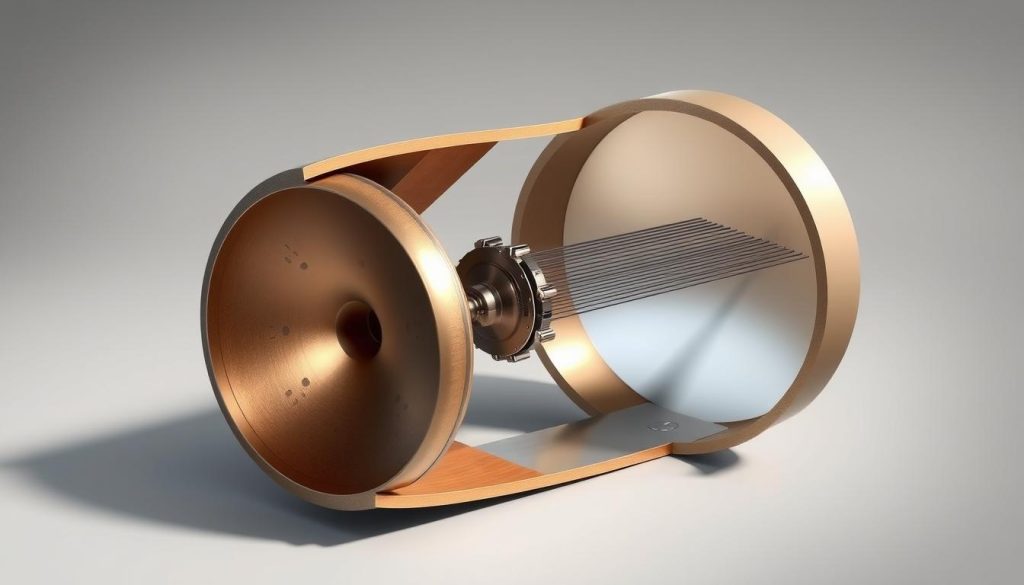
Construction, notes and Helmholtz resonator: the essentials
The body consists of two joined steel shells, creating a resonant chamber comparable to a Helmholtz resonator.
The upper surface has a central ding and usually seven or eight tuned tone fields around it. Each field produces a note and should respond consistently.
A manufacturing flaw changes the pitch and tone. Testing the response first with a light touch and then with a stronger one quickly reveals how consistent the instrument is.
Nitrided or stainless steel: effects on sound and durability
The choice of material affects tuning stability, corrosion resistance and sustain.
| Criterion | Nitrided steel | Stainless steel |
|---|---|---|
| Tuning stability | Good; handles stronger strikes better | Very good after fine adjustment |
| Sustain | Moderate | Longer, with a warmer sound |
| Corrosion resistance | Improved by treatment, but the steel remains vulnerable if unprotected | Excellent |
| Care | Wipe and oil regularly | Simple cleaning and little maintenance |
Manufacturing involves hammering, heat treatments and several rounds of manual tuning in the workshop. Consistent construction produces audible quality: even notes, no “wolf tones” and a tone that does not sound metallic.
- Start with an instrument that has eight or nine notes so you can assess its consistency.
- Listen to each note separately, then play simple chords.
- Check the condition of the materials and ask whether the steel has been treated against corrosion.
“Listening to a note’s dynamics and sustain often tells you more than looking at the price alone.”
Prices and ranges: what budget buys good quality?
Setting a clear budget helps prevent unpleasant surprises and steers you toward a range suited to your level.
Under €1,000 / under €1,600 / €1,600 and above: what to expect
Under €1,000: entry-level instruments, often mass-produced. Expect fewer notes, basic finishes and sometimes limited stability.
Under €1,600: often the best compromise. Reputable retailers offer good value, a wider choice of scales and stronger quality control.
€1,600 and above: the higher-end range. More notes, premium materials, precise tuning and careful finishing. These instruments require more workshop time, which helps explain their price.
Acceptable compromises for beginners
- Avoid offers below €600 to €900: they carry a risk of inaccurate pitch and limited sustain.
- Accept fewer notes to lower the cost without sacrificing sound quality.
- Choose treated standard steel and a seller who checks the instrument before shipping.
| Price range | What to expect | Additional costs |
|---|---|---|
| < €1,000 | Entry-level, six to eight notes, basic finishes | Case: €40 to €80; care: €10 to €30; secure shipping: €30 to €100 |
| €1,000 to €1,600 | Good value, seven to nine notes, retailer inspection | Case: €60 to €120; care: €10 to €30; shipping: €40 to €120 |
| > €1,600 | Custom-built, more notes, premium materials, better tuning stability | Case: €80 to €150; possible professional maintenance; secure shipping recommended |
“If your budget is tight, put sound quality and stability ahead of appearance.”
Reliable alternatives to the low-cost Vevor and Temu models
Good alternatives come from retailers that publish recordings and guarantee free returns. This helps you avoid a wasted purchase and makes it easier to try an instrument before committing.

Established retailers in France
Handpan France operates as a retailer: tested instruments, available recordings, a warranty and free returns. Zenapan and Handpan Cocorico offer selections from makers and a local contact for after-sales support.
Respected brands and workshops
Choose workshops known for careful work. Metal Sounds (Spacedrum Nitro) uses nitrided steel, Pantheon Steel (Halo) innovates in the United States, and Omana often works to order.
Tongue drums: an educational alternative
A tongue drum is an affordable and enjoyable way to begin. It often costs three or four times less. Its sustain and dynamics are more limited, but it still offers a satisfying learning experience.
“Choose shops that provide recordings and a reachable contact for maintenance.”
- Favor French retailers when you want sound samples and after-sales support.
- Listen to recordings to judge the consistency and sustain of the notes.
- Accept workshop lead times: they often reflect better quality.
A closer look at Handpan France: selection, sound samples and after-sales support
A retailer’s strength lies in the variety and inspection of its offerings. Handpan France works with several makers and tests each instrument before listing it online.
On the site, you can find detailed recordings. Videos let you assess the tone, pitch accuracy and sustain before buying.
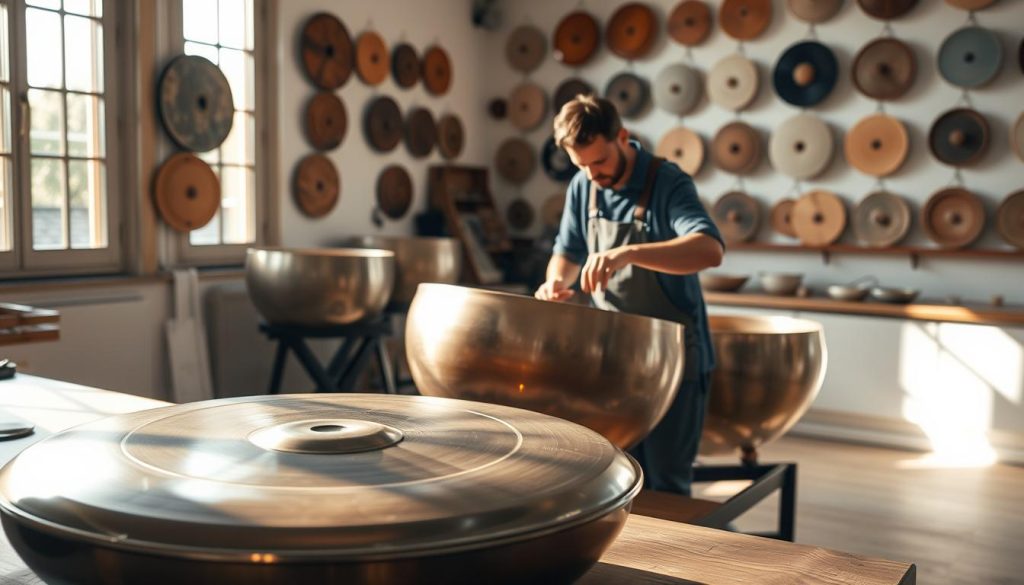
A retailer, not a maker: a practical advantage
A retailer offers a wide choice of scales and workshops. It lets you compare different approaches to making handpans without being tied to one maker.
Listen before buying and benefit from responsive support
Sound samples: each instrument has a recording. This makes it easier to choose one for everyday playing.
After-sales support: customer service is available five days a week, with a warranty and free returns on many items. Customer reviews praise sound quality, tuning accuracy and fast shipping.
| Benefit | Details | Why it matters to buyers |
|---|---|---|
| Catalog | Eight to 17 notes, tongue drums | Options for every level |
| Sound samples | Videos and recordings | Chance to judge the tone before buying |
| After-sales support | Warranty, free returns, help five days a week | Peace of mind and guidance |
For affordable and reliable alternatives, see these options for an affordable instrument.
“A reputable retailer makes buying safer and more informative for your playing.”
Practical buying guide: make an informed choice and get good value
Before buying, define how you plan to play and the level you want to reach. This helps determine the number of notes and the scale to choose.

Number of notes, scales and skill level
For a first instrument, choose eight or nine notes in a versatile scale. This format lets you progress without making learning more complicated.
Check pitch accuracy, sustain and tuning stability
Listen to each note separately, then play chords. Check that the sustain is consistent and that there is no unwanted buzzing.
Key factors: the material (nitrided or stainless steel), manual workshop tuning and the finish, which affects how well the instrument holds up over time.
Workshop trials, demonstration videos and return policies
Choose an in-store trial or demonstration videos supplied by the workshop. A clear return policy is essential when buying remotely.
Accessories and additional costs
Budget for a soft or hard case, anti-corrosion care products and secure shipping. These costs affect the final price.
“Try it, listen to it and read the return policy before completing your purchase.”
Quick checklist: musical needs, budget, material, number of notes, warranty and after-sales support. To explore affordable instruments, see these options for an affordable instrument.
Where and when to buy: shops, online sales, used instruments and communities
A thoughtful purchase combines a local trial, online research and conversations in enthusiast groups.
Shops and workshops
Visiting a workshop lets you try an instrument in person. You can discuss its construction, steel treatments and care with the maker.
Advantage: hearing it in person and getting technical advice. Disadvantage: the selection may be smaller.
Specialist platforms and promotions
Choose retailers that publish videos and a clear return policy. Watch for discontinued models and workshop sales to get a better price.
Used instruments: checks and negotiation
When buying used, listen to every note, ask for videos and learn about the instrument’s maintenance history.
Check for corrosion and assess the sustain, then negotiate based on any wear you find.
Groups and forums in France
Join groups and forums such as handpan.org or “French Handpan Connection” for feedback and scam warnings.
Conversations among enthusiasts help you find good deals and avoid risky purchases.
“Plan your purchase: waiting a little may get you better quality while protecting your budget.”
Quick comparison: low-cost versus handcrafted and high-end
A quick comparison of industrial production and workshop craftsmanship shows the main differences for everyday use.
Sound: established workshops (Metal Sounds, Pantheon Steel, Omana) offer a rich tone and consistent sound quality. Very cheap products often have a pronounced metallic sound, tuning problems and uneven sustain.
Durability: workshop-crafted nitrided or stainless steel resists corrosion better and holds its tuning. Basic materials, by contrast, show signs of wear sooner.
Service and follow-up: reputable retailers and makers offer after-sales support, retuning and returns. Generic offers rarely include dependable follow-up.
- Playing: dynamic response and subtle expression on a high-end instrument; variable feel on an entry-level one.
- Notes: more numerous and better integrated on high-end instruments; sometimes inconsistent on budget models.
- Price: a larger upfront investment, but lasting value in use; a “false economy” can lead to costly repairs or make resale difficult.
“Choose according to your everyday needs: a quality instrument is an investment in years of playing.”
For reliable alternatives and good value, see these options for an affordable instrument.
Conclusion
Ultimately, choosing an instrument means prioritizing durability and the quality of the playing experience over the lowest-priced offer.
In summary: price is attractive in this market, but consistent sound, stable notes and after-sales service are often lacking.
Recommendation: buy a handpan from a specialist to get good value. Handpan France remains a strong option thanks to its recordings, after-sales support and free returns.
Look for controlled manufacturing, suitable materials (nitrided or stainless steel) and professional tuning. If your budget is tight, a tongue drum offers a way to start and move on later.
Next steps: decide how many notes you want, which scale suits you and what level you are aiming for; compare tested models and choose based on their longevity and playing feel.