
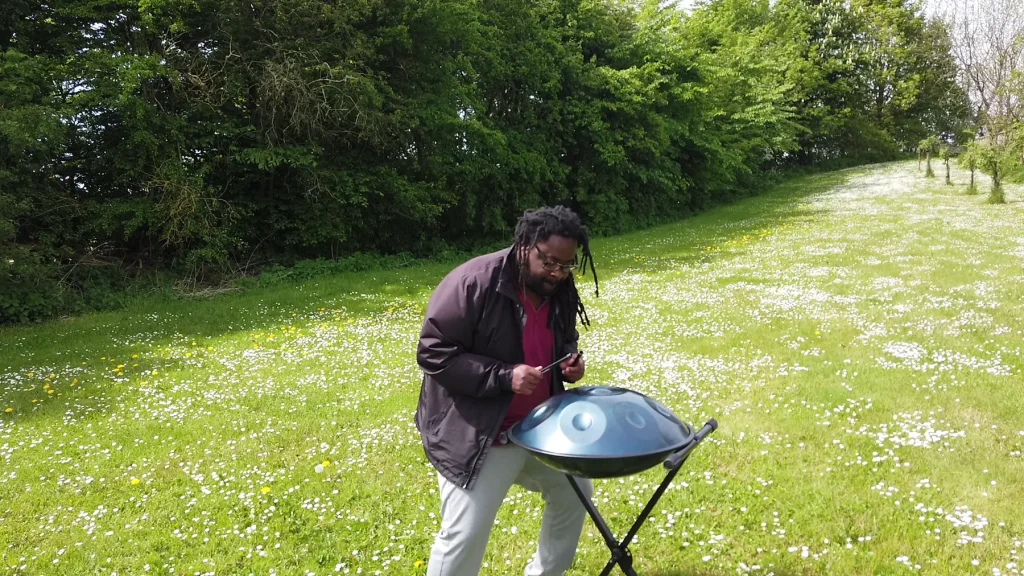
Goal: to guide you through buying this distinctive musical instrument. This short article compares new instruments, the used market and rentals to help you spend wisely and buy with confidence.
On the current market, prices range from €800 to €3,500, depending on quality, materials (stainless steel, nitrided steel and “ember” steel) and the maker’s reputation. These factors explain price differences and help you set realistic expectations.
Your choice depends on how you plan to play: for well-being, onstage, for composition or simply to explore the instrument. Each use affects the budget and level of quality you need.
This guide covers legal warranties, customization options, availability and common market risks. Always check a seller’s reliability and legal information before buying a handpan online.
To try one without tying up your entire budget, consider renting. You will also find comparison tables, practical checklists and a useful link about used handpans to help you compare quality and price.
Before choosing: how you will use it, your budget and when you need it
First, decide what you want from your instrument. Relaxation, live performance, studio composition or simple curiosity: these uses will guide your choice of model and notes.
Clarifying your expectations helps you decide whether nine notes are enough to start or whether ten or more would better suit advanced projects. The number of notes affects complexity, the available scale and the price.
Next, set a realistic budget (€800 to €3,500), including additional costs such as a case, stand and possible retuning. Leave some room to try several instruments and accessories.
Consider the wait, too. Do you need an instrument immediately? Look for a model in stock. Can you wait? Ordering from a maker may be worthwhile.
Practical tips
- Consider your constraints, including travel, storage and rehearsals, so you buy an instrument that suits your circumstances.
- Ask specialist sellers or the handpan community for advice tailored to your needs.
- Set a review point: if a trial does not convince you, try another model or arrange a trial period.
Handpan prices and value: understanding today’s market
The budget for this type of instrument varies considerably according to several factors. Prices generally range from €800 to €3,500. For many buyers, €1,000 to €2,000 offers a good balance of quality and price.

Price ranges
Entry level: approximately €800 to €1,200. Midrange: €1,200 to €2,000. High end: €2,000 to €3,500, depending on the scale and maker.
What drives the cost
Handcrafting takes more work hours and careful tuning of the partials, which improves sound quality.
Materials also matter: stainless steel for durability, nitrided steel for stability and “ember” steel for particular tones.
Scarcity and a maker’s international reputation increase demand and prices.
Resale value
Value depends on condition, tuning and brand. A well-maintained instrument retains its value better.
Remember the additional costs: a hard case, stand, maintenance and any retuning.
Buying new: warranties, quality and customization
Buying directly from a maker provides valuable legal protections and technical support. A new instrument comes with clearer support arrangements and customization options rarely available elsewhere.
Warranties, trial periods and the right to cancel
In France, professional sellers must provide a two-year statutory warranty of conformity. For distance sales, shops often offer a 14- to 30-day trial period and a right to cancel.
Choosing a scale, notes and frequency with a professional
Ordering lets you specify the scale, number of notes and frequency (432 Hz or 440 Hz). A maker or specialist shop can advise you based on your musical plans.
Trust and legal information: checking the shop and provenance
Check the full legal information (business name, address, SIRET registration number and VAT number), along with delivery, packaging and shipping insurance terms.
- Quality checks: consistency across notes, sustain, clear harmonics and a corrosion-resistant finish.
- Delivery: secure packaging, shipping insurance and clear time frames.
- Good practice: keep your invoice and warranty documents, and test every note on arrival.
Used handpans: opportunities, risks and checks
The used market often offers attractive prices and instruments that are ready to play.
Advantages: often lower prices and faster purchase. For many people, it is the best way to find a deal without waiting weeks.
Risks to know about
Fake sellers, dents, poor tuning and corrosion are risks to watch for. Without a warranty, seeking a remedy after payment can be difficult.
Testing before buying
Play every note and listen for clear partials and sustain. Watch for buzzing, wavering sounds and unstable notes.
- Check the tuning with an app or tuner.
- Strike gently and then more firmly to test how well the notes hold.
- Inspect the instrument for corrosion, dents and damage near the gu.
“Ask about its history: age, repairs and recent uncompressed videos.”
Practical tip: try it in person, ideally with someone else present, and use a secure payment method. Specialist communities may give you more confidence than general marketplaces.
Renting a handpan: trying the instrument before deciding
A trial lasting several weeks gives you a better sense of whether an instrument suits the way you play.
Renting is an ideal option for getting a full experience before choosing.

Why rent?
Renting lets you assess the sound, playing comfort and durability without committing a large sum.
You can compare several models and refine your choice based on how you actually use them.
What to check
Read the agreement: rental length, deposit, insurance against damage or loss, return conditions and any fees.
Document the instrument’s condition thoroughly when you collect and return it. Take photos and videos, and test the sustain and tuning to avoid disputes with the rental provider.
- Ask which accessories are included (case and stand) and what care rules apply during the rental.
- Try it in different settings (at home, in a room and outdoors) to assess sound projection and comfort.
- Keep a playing journal: record how it feels, hand fatigue and ease of improvisation.
| Aspect | Benefit | What to check |
|---|---|---|
| Trial period | Time to play it in real situations and assess the experience | Length and availability dates |
| Cost | A modest monthly payment compared with the purchase price | Deposit and return fees |
| Instrument condition | A chance to try a model similar to the one you want | Photos and videos at collection and return |
| Purchase options | The possibility of applying rental payments toward a future purchase | Terms to negotiate with the seller |
“An extended trial reduces risk and helps confirm that the sound and feel suit you.”
Where to buy in France: makers, shops and the used market
To find your ideal instrument in France, explore three complementary routes.

Makers and specialist shops
Makers and shops offer expertise, guided trials and after-sales service. They can often verify an instrument’s provenance and display their legal information.
Advantages: technical advice, customization options and insured delivery in protective packaging.
Check the address, SIRET number and warranty terms before paying.
The used market and communities
French-speaking groups (on Facebook and forums) bring together listings, opinions and personal experiences.
Ask for uncompressed videos, test the instrument in person when possible and use a secure payment method.
Tip: contact previous buyers to check the seller’s reputation and whether the listing is consistent.
- Compare several models in a shop to make the decision easier.
- Keep your messages, quotes and proof of delivery to protect yourself during the transaction.
- Check the stated delivery times and collection options if you want to avoid shipping.
“Look for transparency about provenance and return terms so you can buy with confidence.”
Choosing according to your experience and expectations
Your experience as a musician naturally influences which type of instrument to choose. Match it to your level, repertoire and playing environment.

Beginners: nine-note models, sound quality and practical advice
For beginners, choose a nine-note model. It makes learning and improvising easier while limiting technical complexity.
Look for this sound quality: clear notes, balanced partials and even sustain. Test how it responds to both light and firm touch.
Buying advice: try the instrument sitting down and then standing up; compare two or three instruments, record your trials and note your impressions.
Intermediate and advanced players: ten or more notes for greater possibilities
Advanced players benefit from ten or more notes. An extended scale allows complex chords and varied tones that can serve a musical project.
For the stage, check projection and dynamics. Choose a scale that suits your repertoire (major, minor or less common modes).
| Player | Recommendation | What to check |
|---|---|---|
| Beginner | Nine-note models | Note clarity, sustain and comfort |
| Intermediate | Ten or more notes | Harmonic range, projection and response to firm playing |
| Advanced or performing musician | Specific scales and tuning choices | Volume, tuning stability and a reputable maker |
“Start simply, then move to more notes when your ear and playing call for them.”
Buying a handpan: new, used or rental?
To choose among these three options, begin by setting your priorities: budget, timing and sound.
Decision matrix: budget, timing, sound quality and warranties
In short: if a warranty and customization matter most, choose new. If price and immediate availability matter more, buying used or renting can work well.
Compare the options by price, wait time, sound quality, warranty, resale value and the level of risk you are willing to accept.
| Criterion | Priority level | Recommended option |
|---|---|---|
| Warranty and support | High | New, from a maker |
| Price and timing | High | Used or rental |
| Sound quality | Medium to high | New or an extended trial |
| Resale value | Medium | A reputable brand and an instrument in good condition |
Are you a beginner who does not yet know what to look for? Choose new or rent to gain confidence and experience.
An informed buyer who can assess an instrument may consider buying used. Always ask for the opinion of a musician friend or maker before the transaction.
“Comparing recordings of two instruments made under the same conditions makes their quality easier to distinguish.”
Rank your priorities (for example, 1. quality, 2. price, 3. timing). Then compare the total purchase cost, including accessories and tuning, with the cost of renting for a few months.
For example, if you want to confirm your plans without spending too much, renting for a few months and then buying based on your experience is often the best solution.
Conclusion
To conclude, focus on three things: legal protection, sound and budget.
Buying new brings peace of mind through a warranty, a trial and customization. A used instrument costs less and is available quickly, but calls for care: check its tuning and history, and request uncompressed videos.
If you are unsure, renting lets you try an instrument before buying. Choose nine notes to start; move to ten or more as your needs develop.
Compare several models, seek outside opinions and check the seller’s legal information. For practical advice, see our dedicated page on where to buy a handpan.