
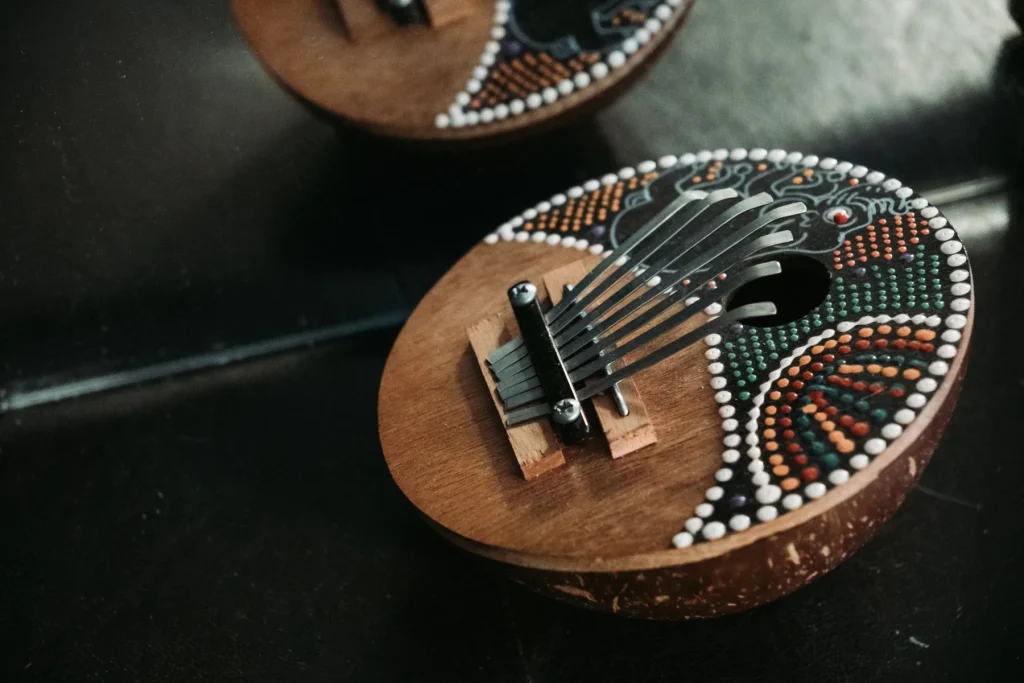
The kalimba, also known as the mbira or thumb piano, is a fascinating and accessible percussion instrument. This instrument of African origin offers a unique musical experience, ideal for beginners. With so many models on the market, however, choosing one can quickly become confusing.
Choosing your first kalimba carefully is important for a rewarding learning experience. This guide walks you through the essential factors to consider: the number of tines, the material, the sound box, and more. Every detail matters when finding the instrument that suits you best.
In this article, you will find advice based on more than 10 years of experience. By the end, you will be ready to choose the ideal kalimba to begin your musical journey.
Introduction: Why Choose Your First Kalimba Carefully?
The kalimba, a true musical treasure, is attracting more and more enthusiasts. Choosing the right one is essential for a rewarding learning experience. Your first kalimba can affect your motivation and progress as a beginner.
After more than 10 years of playing the kalimba, I have had the pleasure of advising hundreds of beginners. My general recommendation is a mahogany kalimba with a sound box and 10 to 17 tines. It offers a good balance between ease of use and richness of sound.
That recommendation needs some qualification, however. The learner’s age and musical background play an important role. There is no universal answer to the question, “What is the best kalimba?” Every situation is different.
In this article, we will explore several essential factors, including:
- The number of tines
- The material
- The necessary accessories
- The sound box
- Recommended brands
- Your budget
It is important to adapt your choice to your own circumstances or those of the person receiving the kalimba. By the end of this guide, you will be able to select the instrument that suits you best.
The following sections will help you avoid common buying mistakes. As one expert puts it:
“Music is the language of emotions.”
Understanding the Kalimba: Definition and How It Works
The kalimba is a percussion instrument often called a thumb piano. This instrument of African origin, also known as the mbira or sanza, consists of metal tines attached to a body. You pluck them with your thumbs to produce harmonious sounds.
Kalimbas are often handmade, which gives them a distinctive charm. They can have between 5 and 21 keys, allowing you to play a wide range of notes. Chromatic models offer even more musical possibilities.
The kalimba’s sound is soothing and melodic, making it well suited to relaxation and meditation. Whether you are a beginner or an experienced musician, its simplicity and beautiful tone make it appealing.
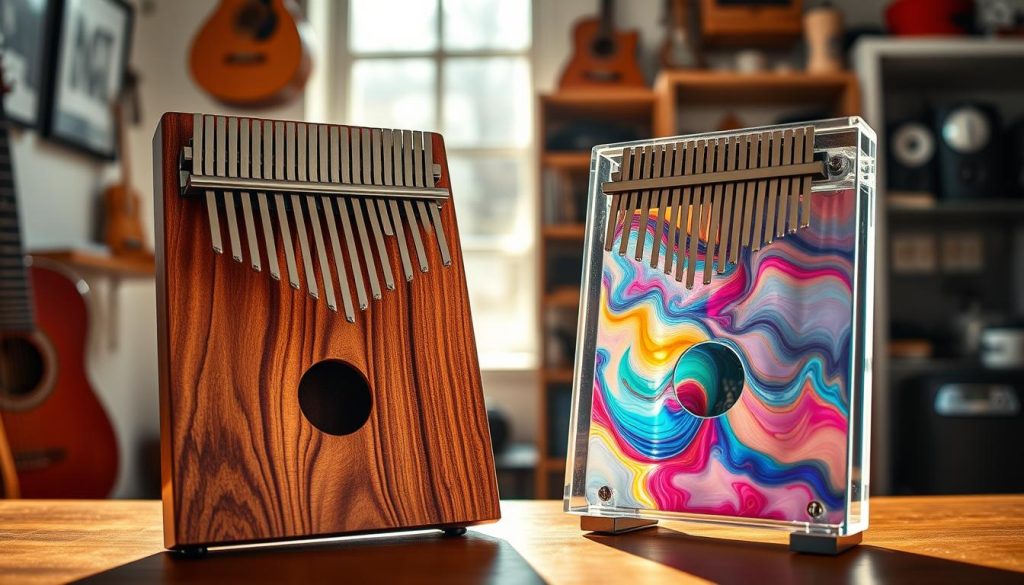
There are two main material choices: wood and acrylic. Wooden kalimbas are prized for their warm sound, while acrylic models often have a more modern and visually striking appearance.
The sound box plays an important role by amplifying vibrations and adding richness to the sound. The kalimba is also accessible without prior musical knowledge, making it a great choice for anyone who wants to explore music.
Understanding how the kalimba works helps you choose your first instrument. Its history, which reaches back to the Zambezi Valley, adds to its appeal. With this instrument, every note invites musical discovery.
Number of Tines: An Essential Consideration for Beginners
With its metal tines, the kalimba is a fascinating and accessible musical instrument. The number of tines is a central consideration when buying one because it strongly affects learning and playing enjoyment.
Kalimbas with 10 to 15 Tines: Simple and Accessible
Kalimbas with 10 to 15 tines are well suited to beginners. They offer a simple, intuitive experience and let you play easy pieces while developing your musical skills.
Models with fewer than 10 tines are often pocket kalimbas or instruments intended for children. They offer limited possibilities for adults and cannot play as wide a range of notes.
Kalimbas with 17 Tines: The Standard Choice for a Motivated Beginner
The 17-tine kalimba is considered the standard model. It is the most widely sold, and the greatest number of learning resources, including tutorials and sheet music, are available for it. It is an excellent choice for beginners.
One useful tip is to start by playing only the 10 central tines. This lets you get used to the instrument without feeling overwhelmed.
More Than 21 Tines: Best Left to Advanced Musicians
Kalimbas with more than 21 tines are generally intended for experienced musicians. Often chromatic, they add keys that make the note layout more complicated. This can discourage a beginner.
Consider the learner’s motivation and musical background when choosing the number of tines. If you are undecided between 17 and 21 tines, a dedicated comparison can help you decide.
For a first kalimba, 10 to 17 tines generally offer the best balance between simplicity and musical potential.
Materials: Wood or Acrylic?
The material of a kalimba is a fundamental choice. The two main options are traditional wood and modern acrylic. Each has distinct characteristics that affect the playing experience.
Why Wood Is a Good Choice for Your First Kalimba
A wooden kalimba, especially one made of mahogany, is often recommended for beginners. This soft, lightweight wood offers several advantages:
- Light weight: It is easier to hold, reducing fatigue during long playing sessions.
- Gentle tones: Mahogany produces pleasant sounds that are well suited to learning.
- Affordable price: It is generally less expensive than acrylic models.
- Variety of woods: Walnut, acacia, padauk, and pine offer different tones.
These qualities make wood a sensible choice for anyone discovering the instrument. Wood also allows for models with sound boxes, enriching the sound further.
Acrylic: Innovative Design with Some Drawbacks
Acrylic kalimbas, made from polymethyl methacrylate (PMMA), stand out for their modern, transparent design. They also have drawbacks:
- Higher price: They often cost more than wooden models.
- Greater weight: This may cause wrist discomfort after several dozen minutes of playing.
If you love the look of acrylic, choose a model that makes you want to play. For a beginner, however, mahogany remains the safest and most comfortable choice.
To explore the subject further, I recommend a detailed comparison of wooden and acrylic kalimbas. It will help you understand the differences and make an informed choice.
Sound Box: With or Without?
Choosing a kalimba with or without a sound box can change your playing experience. There are two main types: “flat” models without a sound box and “hollow” models with one.
Flat kalimbas consist of a solid wooden board. They produce a more direct sound but often lack depth. Hollow kalimbas have a chamber that amplifies the tines’ vibrations, producing a richer, more pleasing sound.
Kalimbas with a sound box offer several advantages:
- Amplified sound: The sound box produces a louder, more resonant tone.
- Lower weight: These models are often lighter and more comfortable during long playing sessions.
- Sound effects: Some effects, such as wah-wah, require a sound box.
A kalimba with a sound box is recommended for beginners. It is generally more enjoyable to play and offers better sound quality. Its lower weight can also help you play longer without fatigue.
Flat kalimbas have their supporters too. Some musicians prefer their more intimate sound and compact size. If possible, try both types before buying to feel the differences in weight and sound.
For a first kalimba, a model with a sound box offers the best balance between comfort and musical possibilities.
| Kalimba type | Features | Advantages | Drawbacks |
|---|---|---|---|
| Flat kalimba | Solid wooden board | Direct sound, compact size | Less depth of sound |
| Hollow kalimba | Hollow body that amplifies vibrations | Rich sound, light weight, sound effects | May be bulkier |
How to Choose a Beginner Kalimba: Diatonic or Chromatic?
The type of kalimba you choose will affect how you learn and enjoy music. The two main categories are diatonic and chromatic kalimbas. Each has its own features, benefits, and drawbacks.
Diatonic Kalimba: Light and Simple, but Limited
A diatonic kalimba has a single row of tines corresponding to the white keys of a piano. It is ideal for beginners because it is light and easy to use.
- Advantages: Light weight, ease of use, a wide choice of models, and affordable prices.
- Drawbacks: No semitones, a need to retune for certain pieces, and a limited scale.
Chromatic Kalimba: More Versatile as You Progress
A chromatic kalimba has multiple rows of tines that include both whole tones and semitones. This makes it a versatile instrument for players who want to progress.
- Advantages: Room to progress, potential long-term savings, no need to change tuning, and a broad range of tones.
- Drawbacks: Higher price (€80 to €300), greater weight, and a layout that may look intimidating.
Which Type Suits Which Player?
The choice between diatonic and chromatic depends on the player. A diatonic model is recommended for young children, tight budgets, or meditative use. A chromatic model is better suited to musicians, composers, or people confident about their commitment to playing.
According to kalimba maker Poopoopidoo’s experience, 80% of diatonic kalimba players eventually switch to a chromatic model. This highlights the value of considering your musical ambitions before choosing.
Ultimately, choose between diatonic and chromatic according to your experience, budget, and musical goals. Each type has strengths, and the right choice can enrich your musical experience.
Choosing a Tuning and Tone That Suit Your Needs
A kalimba’s tuning and tone are important parts of the playing experience. They affect the sound it produces and how the player feels. The right tuning can change the way you enjoy playing.
The most common standard tunings are C and B. Lower tunings use longer tines, allowing notes to ring for longer. This creates an atmosphere that can suit meditation or relaxation.
Standard Tunings and Their Effects
Each tuning has its own sound:
- C tuning: A clear, bright sound suited to cheerful pieces.
- B tuning: A softer sound suited to soothing melodies.
Tuning also affects the character of the sound. Players seeking a lively musical experience often prefer a brighter tone.
Match the Tuning to the Player: Children, People with Anxiety, and Neurodivergent Players
It is important to tailor the tuning to the player’s needs:
- People without anxiety: They may prefer bright, crystalline sounds like those of a music box.
- People with anxiety: Choose a middle or lower tuning (G, F#, F, or E) for a reassuring, enveloping sound.
- Autistic people: According to the cited experience, 98% choose F#, which sounds both low and bright.
- People with ADHD: Avoid C and favor tunings between G and F.
- Babies: Crystalline sounds without a metallic edge are recommended, in B or A.
- People with hyperacusis: Favor rounded, gentle sounds at low volume, such as those of F or low E tunings.
These recommendations emphasize adapting the tuning to the individual. Tone can strongly affect enjoyment and general well-being.
Choosing a tuning and tone is personal. It can transform your experience and make the instrument even more engaging. Every kalimba is different, so find one that best suits your needs.
Essential Accessories for Getting Started with the Kalimba
To get the most from your instrument, you need the right accessories. Consider buying a set that includes them instead of a kalimba alone.
A tuning hammer is essential. It helps you keep your kalimba in tune. An out-of-tune instrument can make playing less enjoyable.
Stickers are also useful for beginners. They make the tines easier to identify and help you memorize notes, making learning more enjoyable.
An instruction booklet or sheet music is another valuable addition. It guides your first steps and helps you progress. A carrying case and cleaning cloth can also be practical.
Distinguish essential accessories from purely decorative items, such as a tassel. Choose beginner sets that include at least a tuning hammer and stickers.
These accessories make your first steps easier and help prevent frustration. Some sets even include a QR code for video lessons.
A complete set is a sensible choice when starting the kalimba. It lets you enjoy playing from the outset.
Recommended Brands and Models for a Good Start
Brand and model matter when you begin exploring the kalimba. Established brands such as Gecko, Lingting, and Hluru offer high-quality instruments. You do not need to invest in a premium brand for your first kalimba, however, as the cost can rise quickly.
Thumb pianos costing two or three times less can be perfectly suitable for beginners. Consider unbranded beginner sets with many positive reviews. They can offer good value and let you get to know the instrument without spending too much.
Here are some recommended models:
- Gecko 17-key mahogany kalimba: A versatile choice appreciated for its sound and playing comfort.
- Moozica 17-key kalimba: Its engraved notes make it useful for beginners learning the instrument.
- LifeStyle 21-key black walnut kalimba: An option for those who want to explore more musical possibilities with additional keys.
These models often come in complete sets with essentials such as a tuning hammer and key stickers. Those extras can make learning easier and improve the playing experience.
Before choosing, read customer reviews and compare models to find a kalimba that meets your needs and budget. A well-reviewed first kalimba costing €30 to €50 is more than enough to begin your musical journey.
What Is a Sensible Budget for a Beginner Kalimba?
Buying a kalimba means thinking about your budget. For a first instrument, I recommend spending no more than €50. Models costing around €30 to €40 can serve you well.
Below €20, construction and sound quality may disappoint. Kalimbas at this price are often less durable and may detract from your playing experience.
If you have a larger budget, consider a black walnut kalimba or a model with an output jack. These options can offer better sound quality and more possibilities.
Avoid spending too much before you know that you enjoy the instrument. Quality beginner kalimbas generally cost between €30 and €50.
Quality diatonic kalimbas cost between €50 and €120, while chromatic models can cost €80 to €300.
Remember to account for the accessories included in a set when assessing its value. Acrylic kalimbas are generally more expensive than wooden ones.
With €30 to €50, a beginner can buy a quality kalimba and make a good start.
Key Spacing and Design: Details That Matter
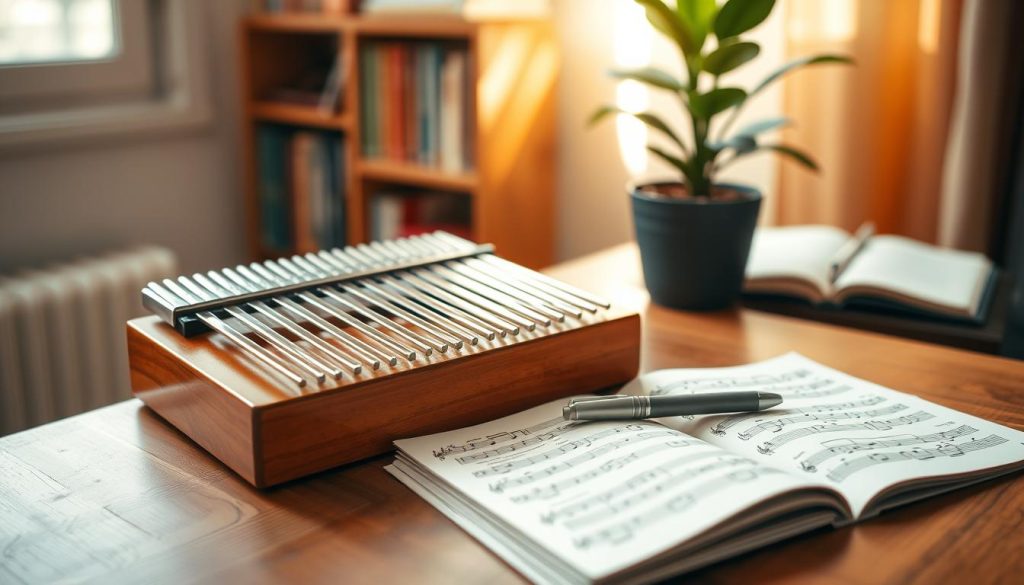
The spacing between a kalimba’s keys plays an important role in playing comfort. It is often overlooked, especially by players with wider fingers.
Suitable spacing helps you play more accurately. Kalimbas with wider key spacing often have a sound box that produces a richer tone. Flat models made from solid boards tend to have keys closer together.
Your playing style matters too. For example, closer keys may be more convenient when strumming several at once. Consider these points:
- Keys that are too close together can lead to plucking mistakes and discourage a player.
- Notes are sometimes engraved on the tines, helping beginners find their way.
- An appealing shape and color can add to the pleasure of playing.
- Comfortable spacing helps prevent frustration while learning.
Key spacing and design deserve attention. Both can strongly affect learning and enjoyment.
Adapt Your Choice to the Player’s Age and Experience
Choosing a kalimba depends largely on the player’s age and musical experience. Both affect how enjoyable and motivating learning will be.
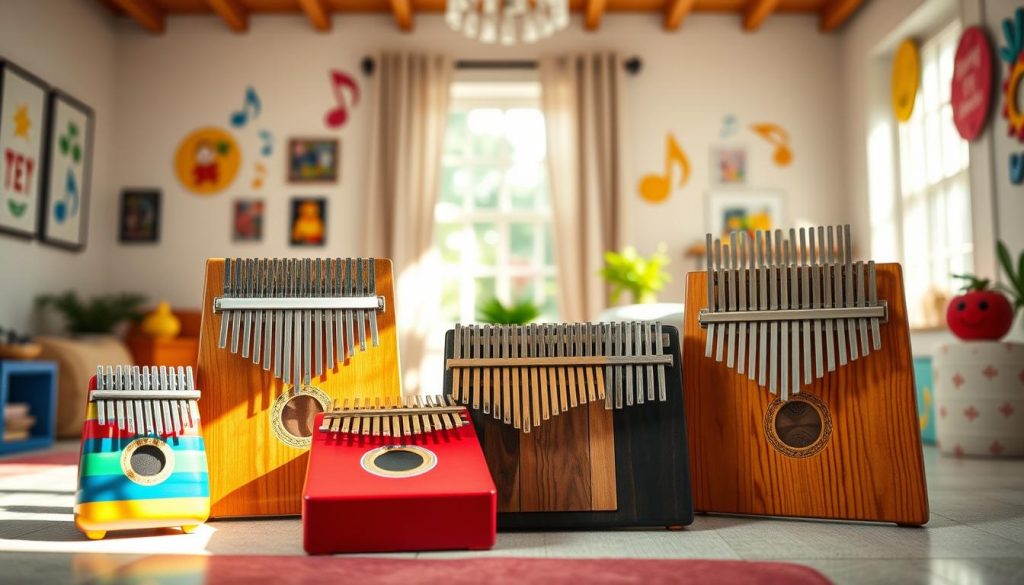
For young children, a kalimba with 10 to 15 tines is recommended. It is simpler and less intimidating, making a first introduction to music easier.
An adult beginner can start with a 17-tine kalimba, the standard model. It offers plenty of musical possibilities without being overly complex.
For motivated teenagers and adults, 17 tines are ideal. They allow players to explore more melodies and improve their skills.
21-tine kalimbas, by contrast, are not recommended for beginners without a musical background. They are better suited to experienced players seeking a more complex instrument.
For babies, favor clear sounds without a metallic edge. They can feel the instrument’s vibrations when it is placed against their feet or hands.
Tuning recommendations can also vary by age. Higher sounds may suit babies, while gentler tunings may be preferable for older adults.
The kalimba can be enjoyed across generations. Matching it to the player helps prevent discouragement and supports learning. The right choice makes a real difference to the musical experience.
Where to Buy a Kalimba: Tips for Avoiding Mistakes
Where you buy a kalimba matters. Several options are available, and an informed choice can help you avoid disappointment.
Consider these places to shop:
- Specialist shops: Stores such as Instruments du Monde and Kalimba Sanza offer expert advice and a quality selection.
- Online marketplaces: Platforms such as Amazon offer a wide range of kalimbas and fast delivery options.
- Artisan websites: Makers such as Poopoopidoo handcraft chromatic kalimbas in France, offering distinctive quality.
Before buying, check customer reviews, especially for beginner sets. They can show whether other players were satisfied with the instrument.
Be cautious with kalimbas costing less than €20, as their quality is often poor. Spending a little more can make a substantial difference.
A complete set with essential accessories is often preferable to an instrument alone. It may save you additional purchases later.
Compare prices across sellers to find good value, and check the returns policy in case your instrument is defective.
Buying online is convenient, but pay attention to quality and customer reviews. A good kalimba can enrich your experience and motivate you to progress.
Getting Started with a Kalimba: Practical Tips for Beginners
The kalimba is an engaging instrument that invites musical exploration. A few practical tips can help you start well.
Try these suggestions as you learn:
- Hand position: Hold the kalimba with both hands, with your thumbs ready to pluck the tines.
- Use stickers: Place stickers on the tines to identify notes easily and find your way at first.
- Start with the 10 central tines: Limit yourself to the 10 longest keys on a 17-tine kalimba to simplify learning.
- Simple pieces: Choose familiar, easy tunes to build confidence. Melodies such as “Frère Jacques” are ideal.
- Available resources: Explore YouTube tutorials, numbered sheet music, and mobile apps for guidance.
- Practice regularly: Play a little each day instead of having one long session per week. This supports learning.
- Relaxing qualities: The kalimba can be a soothing companion for meditation and music therapy.
- Record yourself: Record your playing to track progress and identify what to improve.
- Basic techniques: Learn to pluck tines with your thumbs, play glissandos, and create wah-wah effects.
- Enjoy yourself: Keep playing enjoyable. Avoid putting too much pressure on yourself and savor each moment.
With these tips, you are ready to begin your musical journey. Enjoy every note and let the music carry you along!

Care and Tuning: Keep Your Kalimba in Good Condition
Regular care helps your kalimba last and sound its best. Although simple, the instrument needs proper attention to keep producing accurate, harmonious notes.
A tuning hammer is indispensable. Gently tap a tine upward to raise its pitch or downward to lower it. This is especially useful at first, when new tines may need several adjustments.
Tune your kalimba regularly. Good tuning improves its sound and makes playing more enjoyable. Here are some practical tips:
- Cleaning: Wipe the wood and tines with a soft cloth after each use to preserve their appearance and condition.
- Storage: Keep your kalimba in a case to protect it from dust and knocks.
- Moisture: Avoid damp places. Moisture can damage the wood and oxidize metal tines.
- Wood care: Wooden kalimbas may benefit from an oil treatment to nourish the wood and maintain its finish.
- Checking the tines: Inspect their fittings regularly and tighten screws if necessary to keep them stable.
Mineral steel tines are more resistant to oxidation than standard tines. That may matter if you want a durable instrument.
Good care helps your kalimba stay in tune and last. Look after it, and it will reward you with captivating melodies.
Conclusion: Choose Well and Enjoy the Kalimba
Choosing a first kalimba can seem complicated when so many options are available. Without clear information, beginners may feel lost or disappointed. The factors covered here—the number of tines, material, sound box, and tuning—will help you make an informed choice.
An ideal first kalimba is often made of mahogany, has 10 to 17 tines, and includes a sound box. Adapt that recommendation to your age and musical experience. This guide can help you avoid common buying mistakes.
Above all, choose an instrument that makes you want to play and improve. The kalimba is accessible, relaxing, and rewarding. Visit specialist shops such as Instruments du Monde to find a quality model. Share this article with other enthusiasts and explore more guides to deepen your knowledge of this fascinating instrument.
With the right kalimba, learning can be a genuine musical pleasure.