
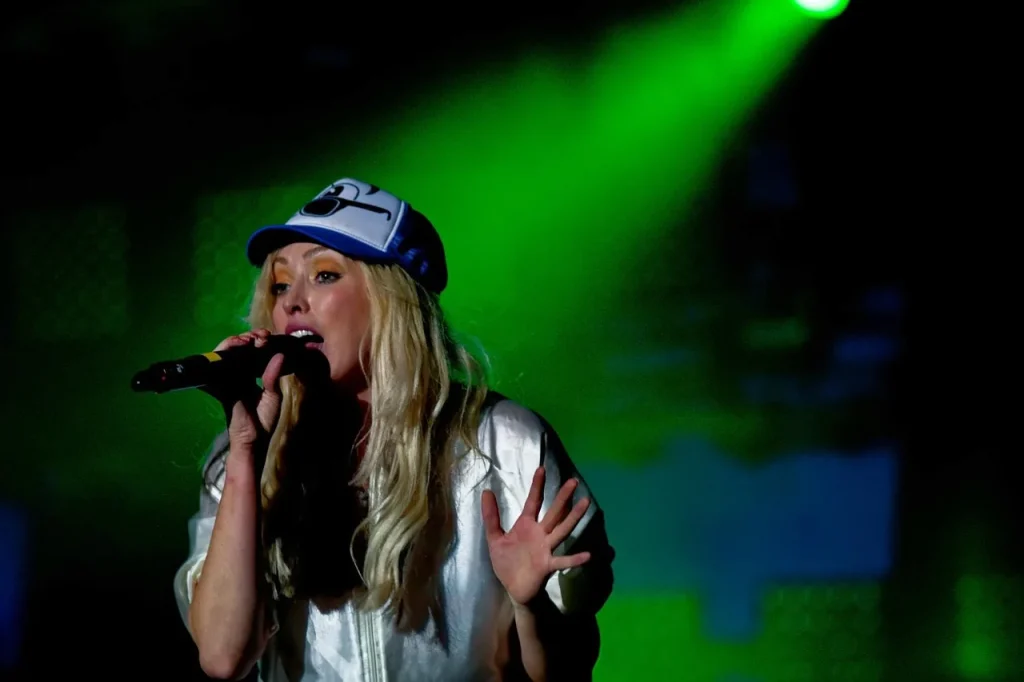
Reggae has been shaped by the influential voices and inspiring journeys of women, who have played an important role in the genre’s development.
Despite stereotypes, women hold an important place in reggae. Several influential voices and inspiring journeys have left their mark on its history.
Among them is Millie Small, the first Jamaican artist to find success abroad with her song “My Boy Lollipop”. Phyllis Dillon also made her mark on rocksteady with “Don’t Stay Away”. Marcia Griffiths, a member of the I-Threes, is regarded as the Queen of Reggae. Nora Dean is known for her risqué song “Barbwire”. Althea & Donna achieved worldwide success with “Uptown Top Ranking”. Lady G demanded respect for women in “Nuff Respect”. Dawn Penn made a splash with “No No No (You Don’t Love Me)”, which has been sampled by international artists including Rihanna and Beyoncé. Tanya Stephens approached adultery from a different angle in “It’s a Pity”. Queen Ifrica broke taboos by denouncing incest in “Daddy”. All these women have contributed to reggae’s development and influence through their distinctive voices and socially conscious lyrics.
Women reggae artists’ contribution to the genre’s history
Women reggae artists have left a significant mark on the genre’s history despite the stereotypes and challenges they have faced. Their contribution has been important both musically and culturally. They have given women a voice and visibility in a field often dominated by men.
Millie Small was one of the pioneers who paved the way for many artists. Her song “My Boy Lollipop” became an international hit, making her the first Jamaican artist to reach charts around the world. Phyllis Dillon made her mark on rocksteady with “Don’t Stay Away”. These women brought new energy to reggae through distinctive voices and sensitive lyrics.
The I-Threes, whose members included Marcia Griffiths, also played a key role in reggae history. As Bob Marley’s backing singers, they accompanied the reggae icon on numerous tours and recordings. Marcia Griffiths is regarded as the Queen of Reggae thanks to her prolific solo career and her contribution to Jamaican music.
Women reggae artists have also tackled provocative and socially conscious subjects in their songs. Nora Dean, for example, caused a stir with her risqué song “Barbwire”. Lady G demanded respect for women in “Nuff Respect”. Dawn Penn made a lasting impression with “No No No (You Don’t Love Me)”, which has been sampled by international artists including Rihanna and Beyoncé. Tanya Stephens approached adultery from a different angle in “It’s a Pity”. Queen Ifrica broke taboos by denouncing incest in “Daddy”.
| Artist | Song |
|---|---|
| Nora Dean | Barbwire |
| Lady G | Nuff Respect |
| Dawn Penn | No No No (You Don’t Love Me) |
| Tanya Stephens | It’s a Pity |
| Queen Ifrica | Daddy |
All these women reggae artists have contributed to the genre’s development and influence through their distinctive voices and socially conscious lyrics. Their legacy lives on in contemporary reggae and inspires new generations of artists to continue the fight for gender equality and express their truth through music.
Millie Small and Phyllis Dillon are among the reggae singers who paved the way for other women artists through their talent and their contribution to reggae music by women. Millie Small, known for “My Boy Lollipop”, was the first Jamaican artist to find success abroad. Her energy, gentle voice and stage presence captivated international audiences, making her a reggae icon.
Phyllis Dillon made her mark on rocksteady with “Don’t Stay Away”. Her powerful, soul-inflected voice won over listeners around the world. She paved the way for many other artists who carried on her legacy and contributed to reggae’s development.
Reggae music by women has been shaped by these inspiring singers, who brought their style, creativity and passion to a genre often dominated by male voices. Their place in reggae history cannot be underestimated, and they continue to influence contemporary artists.
| Singer | Song |
|---|---|
| Nora Dean | “Barbwire” |
| Althea & Donna | “Uptown Top Ranking” |
| Lady G | “Nuff Respect” |
| Dawn Penn | “No No No (You Don’t Love Me)” |
| Tanya Stephens | “It’s a Pity” |
| Queen Ifrica | “Daddy” |
All these women have played an essential role in reggae’s development and influence through their distinctive voices and socially conscious lyrics. Their music still resonates today and inspires new generations of artists to express themselves with authenticity and passion.
Influential voices and inspiring journeys
Women in reggae have broken through stereotypes and established themselves in a music scene often dominated by men. Their talent, determination and commitment have helped shape reggae’s history and development. Their influential voices and inspiring journeys continue to inspire present and future generations. Whether pioneering the genre, pushing the boundaries of reggae music by women or campaigning for gender equality, women reggae artists have proved that they are driving forces in this musical movement. Their contribution continues to be celebrated, and their legacy lives on through contemporary artists inspired by their work and boldness.
In conclusion, singers Millie Small and Phyllis Dillon paved the way for other women artists in reggae through their exceptional talent and contributions. Their distinctive voices and inspiring performances left their mark on reggae history. Their legacy lives on today and continues to influence contemporary artists, who draw inspiration from their courage and determination. Whether pioneers, innovators or campaigners, women in reggae continue to push boundaries and make an invaluable contribution to this iconic genre.
The I-Threes and the Queen of Reggae, Marcia Griffiths
Marcia Griffiths, a member of the I-Threes and often called the Queen of Reggae, played a key role in reggae’s development as a musical genre. As part of the I-Threes, Bob Marley’s backing vocal group, she helped create the distinctive vocal harmonies that defined their reggae sound. The I-Threes’ powerful, captivating voices enriched Bob Marley’s songs, while their stage presence heightened the impact of the group’s concerts.
Alongside her work with the I-Threes, Marcia Griffiths has enjoyed a successful solo career. She recorded several celebrated reggae songs, including “Electric Boogie” and “Feel Like Jumping”. Her soul-inflected voice and captivating stage presence earned her the respect and admiration of reggae fans around the world. Marcia Griffiths remains an influential figure in the music industry and inspires generations of women artists to follow their dreams and make their voices heard.
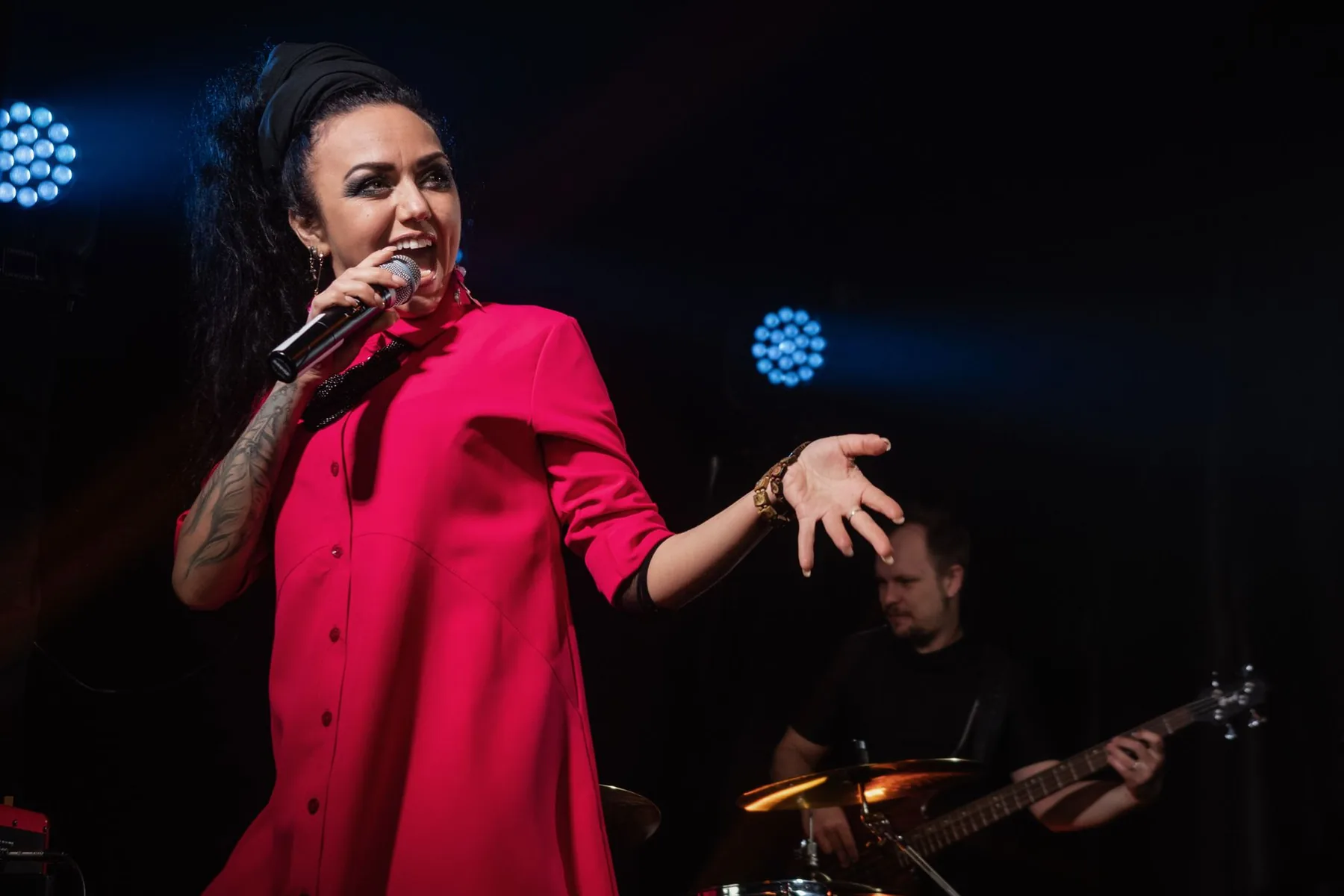
The I-Threes: Marcia Griffiths’s musical legacy
As a member of the I-Threes, Marcia Griffiths recorded unforgettable songs alongside Bob Marley and the Wailers. Their collaboration produced classics such as “Three Little Birds” and “No Woman, No Cry”. Marcia Griffiths’s distinctive, harmonious voice brought depth and sensitivity to these iconic recordings, helping define reggae’s sound and spirit.
The I-Threes were more than Bob Marley’s backing vocal group: they were a musical force in their own right. In addition to performing on stage, they recorded solo albums and continued working together after Bob Marley’s death. The musical legacy of the I-Threes, and of Marcia Griffiths in particular, lives on today: fans around the world still celebrate and enjoy their music.
| Album | Release year |
|---|---|
| “Play the Right Game” | 1983 |
| “Marcia” | 1988 |
| “Indomitable” | 1995 |
| “Land of Love” | 1997 |
Marcia Griffiths’s achievements with the I-Threes and as a solo artist have left their mark on reggae history and inspired many women to pursue their passion for music. Her talent and beautiful voice continue to resonate throughout the music industry, making her an iconic figure and a true queen of reggae.
Provocative and socially conscious songs by women reggae artists
Women reggae artists have used their voices to address provocative subjects and stand up for their beliefs, as shown by Nora Dean’s “Barbwire”, Lady G’s “Nuff Respect” and Tanya Stephens’s “It’s a Pity”.
Nora Dean is known for her risqué song “Barbwire”, which caused controversy when it was released. Its daring lyrics and infectious rhythm captivated audiences and made Dean a notable figure in reggae music.
Lady G demanded respect for women in “Nuff Respect”. The song highlights women’s struggles and demands in a society where their voices are often silenced. Lady G draws attention to the problems women face and encourages empowerment and gender equality.
Tanya Stephens approached adultery from a different angle in “It’s a Pity”. Her thoughtful, profound lyrics explore the complexity of romantic relationships and invite reflection. Her powerful voice and captivating stage presence have made her one of reggae’s most influential voices.
| Artist | Song |
|---|---|
| Nora Dean | “Barbwire” |
| Lady G | “Nuff Respect” |
| Tanya Stephens | “It’s a Pity” |
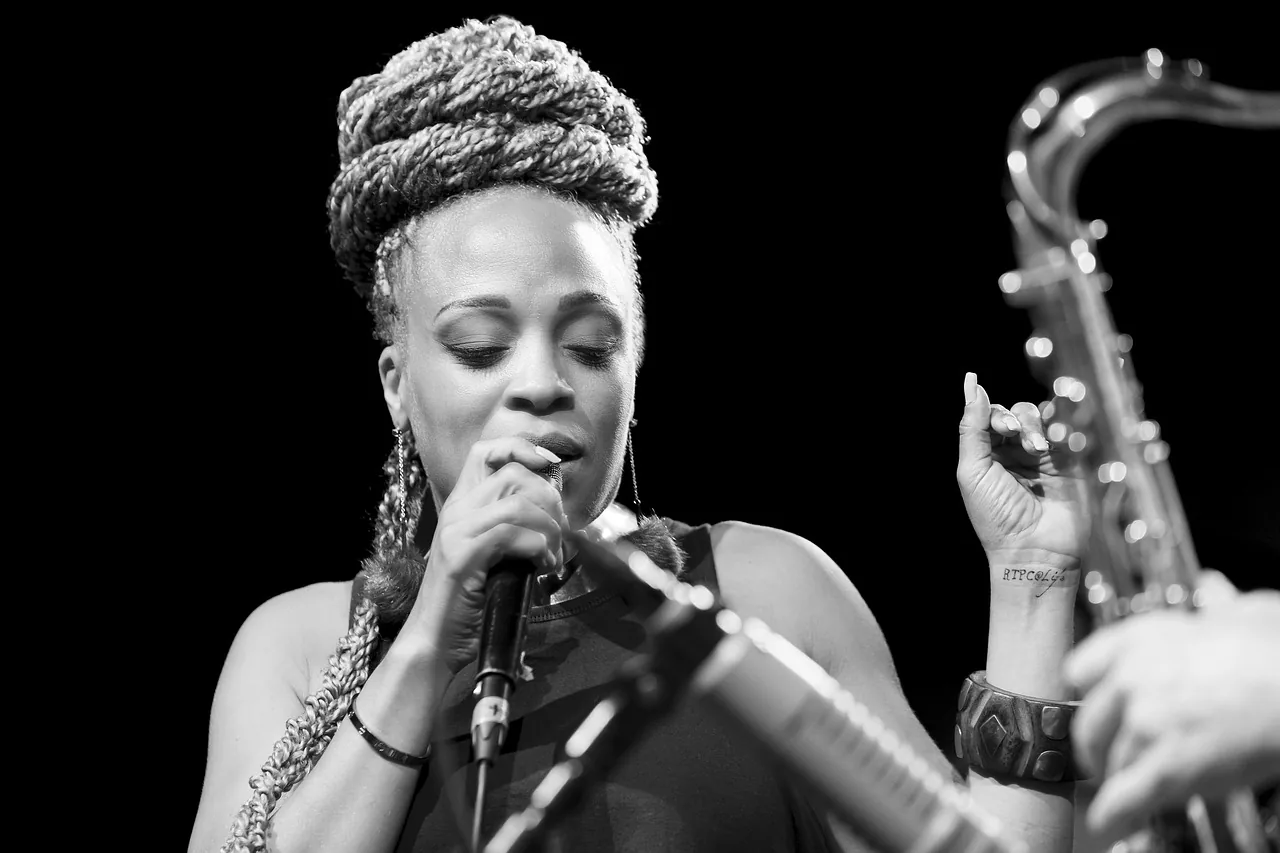
All these women have contributed to reggae’s development and influence through their distinctive voices and socially conscious lyrics. Their courage and determination have paved the way for many other reggae artists.
Women’s impact on the fight for gender equality in reggae
Women reggae artists have played an essential role in the fight for gender equality and feminism within the genre. Despite stereotypes, they have taken a stand and defended their rights through socially conscious music.
In a music scene often dominated by men, these women made themselves heard and helped break down gender barriers. As music of resistance and protest, reggae offered a platform for artists who wanted to deliver strong messages and fight for recognition of their rights.
These women have addressed social and political issues such as domestic violence, unequal pay and gender discrimination. Their striking lyrics and influential voices have raised public awareness and prompted discussion of these important issues. They have paved the way for other artists and inspired future generations to speak out and claim their place in the music industry.
| Artist’s name | Signature song | Message |
|---|---|---|
| Nora Dean | Barbwire | “Demands respect for women” |
| Althea & Donna | Uptown Top Ranking | “Challenges social norms and champions independence” |
| Lady G | Nuff Respect | “Calls for gender equality and recognition of women” |
| Dawn Penn | No No No (You Don’t Love Me) | “Calls out toxic relationships and unrequited love” |
| Tanya Stephens | It’s a Pity | “Addresses infidelity with boldness and candor” |
| Queen Ifrica | Daddy | “Denounces sexual abuse and incest” |
Table: Women reggae artists speaking out
All these artists have played a crucial role in promoting gender equality and defending women’s rights through their music. Their contribution has paved the way for greater diversity and better representation of women in the reggae industry. They have inspired generations of women to speak out, fight for their rights and claim their place in society.
This image symbolizes women’s strength and commitment in the fight for gender equality in reggae. It highlights the power of their voices and their determination to break stereotypes and advance women’s rights.
The legacy and influence of women’s voices in contemporary reggae
Women’s voices in reggae continue to leave a lasting legacy and influence today’s music scene, with artists such as Queen Ifrica, Althea & Donna and Dawn Penn. These talented women found their place in a genre often dominated by men and left their mark on reggae history through their distinctive voices and commitment.
Queen Ifrica, whose real name is Ventrice Morgan, is a Jamaican artist known for her powerful voice and socially conscious message. Her songs address subjects such as domestic violence, discrimination and social injustice. She is a strong voice in the fight for equality and justice, and her work has inspired many artists and listeners around the world.
Althea & Donna, the Jamaican duo formed by Althea Forrest and Donna Reid, achieved worldwide success with “Uptown Top Ranking” in 1978. Their distinctive style, blending reggae and pop, opened new doors for women in reggae. Their success helped other women artists gain a hearing and recognition in the music industry.
Dawn Penn is another woman reggae icon, known for her signature song “No No No (You Don’t Love Me)”. Her gentle, melodic voice captivated reggae listeners around the world, and her influence is still felt today. Many international artists have sampled her music, a testament to the importance of her work and legacy in contemporary reggae.
These women artists, among many others, have paved the way for a new generation of women reggae musicians. Their legacy endures and continues to inspire new voices to speak out and champion important causes through music.
| Artist | Song | Year |
|---|---|---|
| Queen Ifrica | Daddy | 2009 |
| Althea & Donna | Uptown Top Ranking | 1978 |
| Dawn Penn | No No No (You Don’t Love Me) | 1994 |
Conclusion
Women in reggae have made an essential contribution to the genre through their influential voices and inspiring journeys, leaving their mark on its history.
Despite stereotypes, women in reggae have stood out and made their voices heard. Artists such as Millie Small and Phyllis Dillon paved the way with international hits, proving that women can shine in the music industry. Marcia Griffiths, a member of the I-Threes, played a major role as a backing singer for Bob Marley and is regarded as the Queen of Reggae.
Singers such as Nora Dean, Althea & Donna, Lady G, Dawn Penn, Tanya Stephens and Queen Ifrica have spoken out with boldness and conviction, addressing taboo subjects and demanding respect for women. Their songs have had a lasting impact locally and internationally and have influenced many artists around the world.
Women in reggae have played a crucial role in the fight for gender equality and have contributed to the genre’s development and influence through their distinctive voices and inspiring lyrics. Their legacy lives on in contemporary reggae, where many artists continue to push boundaries and make their voices heard.
FAQ
Why are women important in reggae?
Despite stereotypes, women hold an important place in reggae. Their influential voices and inspiring journeys have left their mark on the genre’s history.
Who are some influential women reggae singers?
Millie Small, Phyllis Dillon, Marcia Griffiths, Nora Dean, Althea & Donna, Lady G, Dawn Penn, Tanya Stephens and Queen Ifrica are among the reggae singers who have left a significant mark.
What are some notable songs performed by women reggae artists?
Millie Small’s “My Boy Lollipop”, Phyllis Dillon’s “Don’t Stay Away”, Nora Dean’s “Barbwire”, Althea & Donna’s “Uptown Top Ranking”, Lady G’s “Nuff Respect”, Dawn Penn’s “No No No (You Don’t Love Me)”, Tanya Stephens’s “It’s a Pity” and Queen Ifrica’s “Daddy” are among the notable songs performed by women reggae artists.
How have women contributed to the fight for gender equality in reggae?
Women in reggae have contributed to the fight for gender equality by highlighting social issues and advocating respect and empowerment for women through their socially conscious lyrics.
What is the legacy of women’s voices in contemporary reggae?
Women’s voices in contemporary reggae, including those of Queen Ifrica, Althea & Donna and Dawn Penn, continue to influence and inspire present generations, carrying forward women’s legacy in the genre.