
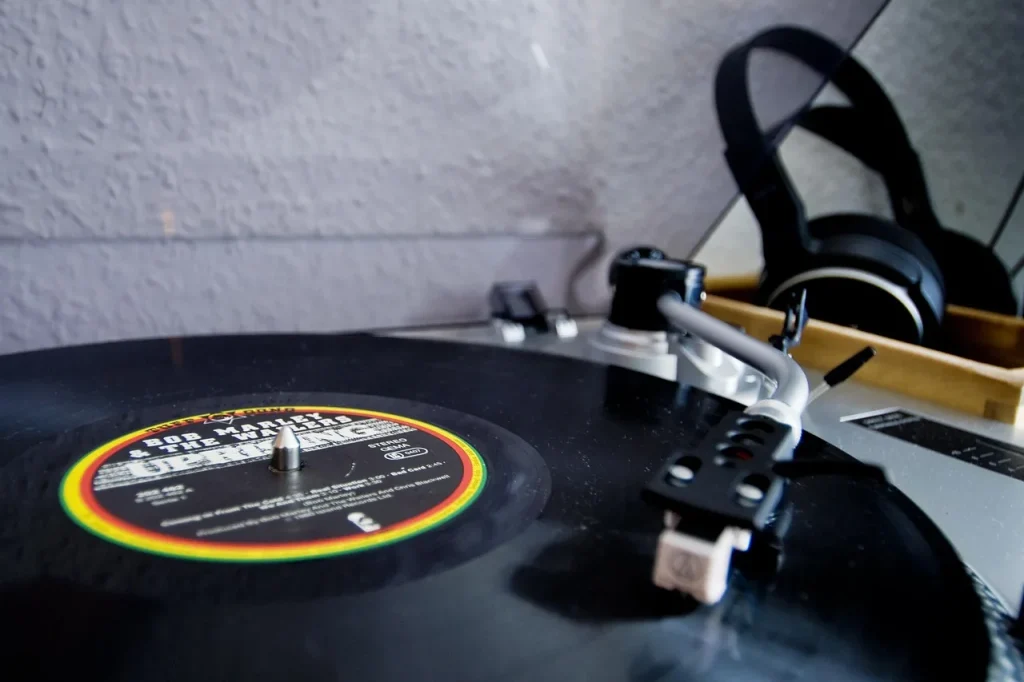
Bob Marley is considered the king of reggae, and his musical legacy is immense. An iconic Jamaican singer, he left an indelible mark on the history of reggae music. His music profoundly shaped the Jamaican and international music scenes, helping to develop and popularize reggae.
Bob Marley transcended borders and cultures through his unique voice and socially conscious lyrics. His songs carried messages of peace, love, and justice, inspiring millions of people around the world. His musical legacy is a true treasure and a symbol of freedom and unity.
In this series of articles, we will explore the life and influence of Bob Marley, as well as his musical legacy through his children. We will also examine the internal disputes and copyright issues the Marley family faced in preserving this precious legacy.
Stay tuned to learn more about Bob Marley’s fascinating life and the musical legacy he left behind.
Bob Marley’s Life and Influence
Bob Marley led a remarkable life, and his influence on reggae music and Jamaican culture is undeniable. Born in Jamaica in 1945, Marley began his musical career with The Wailers before pursuing a solo career. His distinctive style, blending reggae, rock, and ska, quickly captivated audiences and earned him the title of king of reggae.
Marley was also a devoted follower of Rastafari, whose principles of peace, love, and spirituality were deeply rooted in his music. His socially conscious lyrics and messages of social justice made him a symbol of resistance and hope for many people around the world.
His landmark album “Exodus” won critical acclaim and helped popularize reggae internationally. Songs such as “One Love” and “No Woman, No Cry” became anthems of the reggae movement and continue to be heard and enjoyed by millions today.

Beyond his music, Bob Marley left a lasting legacy in Jamaican culture and around the world. His distinctive look, with his famous dreadlocks and Rastafari colors, became emblematic of reggae culture and continues to influence contemporary fashion and lifestyles.
Bob Marley’s lyrics continue to inspire and move people with their messages of hope and resistance.
In conclusion, Bob Marley made his mark on music history through his exceptional talent and commitment to reggae. His unique voice and timeless music continue to resonate across generations, conveying messages of freedom, love, and justice. Bob Marley’s influence on reggae and Jamaican culture will forever be part of music history.
Bob Marley’s Musical Legacy Through His Children
Bob Marley’s children carry on his musical legacy by performing his songs and bringing their own originality to them. Among them, Ziggy Marley follows most closely in his father’s footsteps and performs his songs at concerts. He has also released several critically acclaimed albums, including “Dragonfly” and “Love Is My Religion.” His raspy voice and distinctive musical style have earned him wide recognition in the reggae industry.
Another prominent son of Bob Marley is Damian Marley. He has followed in his father’s footsteps by creating socially conscious songs that have reached a wide audience. His 2005 album “Welcome to Jamrock” earned him a Grammy Award and international recognition. He has also collaborated with renowned artists such as Nas and Mick Jagger, extending his influence beyond reggae.
The Marley children continue to sustain their father’s musical legacy and promote the values of peace and love that he championed. Their natural talent and musical heritage enable them to captivate audiences with music inspired by Bob Marley’s. They are living proof that reggae music is timeless and continues to touch hearts and minds across generations.

| Artist | Album | Release year |
|---|---|---|
| Ziggy Marley | Dragonfly | 2003 |
| Ziggy Marley | Love is My Religion | 2006 |
| Ziggy Marley | Rebellion Rises | 2018 |
| Damian Marley | Welcome to Jamrock | 2005 |
| Damian Marley | Stony Hill | 2017 |
Internal Disputes and Copyright Issues
Managing Bob Marley’s musical legacy has involved family disputes and copyright issues, but its impact remains undeniable. Disagreements arose within the Marley family over how to manage the reggae icon’s musical legacy. These internal disputes created tensions and divided the family, hindering efforts to promote and preserve Bob Marley’s legacy.
Alongside these internal conflicts, the Marley family faced copyright issues with record labels. Royalties, contracts, and reproduction rights gave rise to legal disputes, complicating the management of the musical legacy. Reggae, an iconic musical genre, attracted the interest of many record labels, sometimes leading to disagreements over the intellectual property rights to Bob Marley’s work.
Efforts to Preserve the Musical Legacy
Despite these challenges, the Marley family is working to preserve Bob Marley’s musical legacy. Discussions and negotiations have sought solutions to the copyright issues and ways to ensure that Bob Marley’s music continues to reach future generations. Heirs such as Ziggy Marley and Damian Marley are actively carrying on their father’s musical legacy and sharing his messages of peace, love, and justice through their own artistic work.
Bob Marley’s legacy remains a timeless symbol of freedom, resistance, and reconciliation. His music continues to inspire millions of people worldwide, and his contribution to the development of reggae remains unmatched. Despite the obstacles, his musical impact is undeniable, and he will remain a reggae legend.

| Album | Year |
|---|---|
| “Exodus” | 1977 |
| “Legend” | 1984 |
| “Rastaman Vibration” | 1976 |
| “Catch a Fire” | 1973 |
Conclusion
Bob Marley and his musical legacy remain emblematic of reggae and continue to influence music and society today.
Bob Marley, the king of reggae, left a substantial musical legacy. He had twelve children, who carry on that legacy by drawing inspiration from his music while adding their own original touches. Among them, Ziggy Marley follows most closely in his father’s footsteps and performs his songs at concerts. Damian Marley is another prominent son of the singer; he received a Grammy Award for his album “Welcome to Jamrock.” The Marley children continue to sustain their father’s musical legacy and promote the values of peace and love that he championed.
The article also highlights the internal disputes within the Marley family over managing this legacy, as well as the copyright issues they encountered with record labels. Despite these difficulties, Bob Marley’s musical legacy remains a symbol of freedom and unity.
Bob Marley and his musical legacy remain emblematic of reggae and continue to influence music and society today.
FAQ
What is Bob Marley’s musical legacy?
Bob Marley left a substantial musical legacy in reggae. His music is known for its messages of peace, love, and social justice.
How many children did Bob Marley have?
Bob Marley had twelve children in total.
Which of Bob Marley’s children carry on his musical legacy?
Among Bob Marley’s children, Ziggy Marley and Damian Marley are best known for their contributions to their father’s musical legacy. Ziggy Marley performs his father’s songs at concerts, while Damian Marley won a Grammy Award for his album “Welcome to Jamrock.”
What problems has the Marley family faced concerning Bob Marley’s legacy?
The Marley family has experienced internal disputes over managing Bob Marley’s musical legacy. They have also faced copyright issues with record labels.
Despite these difficulties, what impact does Bob Marley’s musical legacy have?
Despite these difficulties, Bob Marley’s musical legacy remains a symbol of freedom, unity, and the struggle for justice. His music continues to inspire and move millions of people around the world.