
Reggae is a musical genre that originated in Jamaica and developed in the late 1960s. It is known for its distinctive, captivating rhythm, which has made it famous around the world. Reggae music grew out of ska and rocksteady, two musical genres popular in Jamaica at the time. The distinctive four-beat rhythm, however, came into its own with reggae.
This rhythm stands out for its emphasis on the offbeats, created by the bass and drums. On the drums, its most characteristic feature is the snare hit on the third beat, which gives reggae its recognizable rhythmic signature.
Reggae has evolved throughout its history. Subgenres such as “one-drop”, “rocker,” “stepper,” and “rub-a-dub” have emerged, each bringing its own style and sound to reggae music.
Among reggae’s most iconic figures are Bob Marley and the Wailers. Their music played a major role in reggae’s international success by popularizing the genre around the world.
For anyone who wants to play reggae on the drums, a good starting point is to master the “one-drop”, a foundation of reggae drumming. Once you have mastered this rhythm, you can explore the genre’s variations and subtleties.
Reggae has become popular worldwide and is played by bands from many backgrounds. Its ability to convey social and political messages, combined with its irresistible rhythm, has made it an essential part of the history of Jamaican music and beyond.
The Origins and Evolution of Reggae Rhythm
Reggae grew out of ska and rocksteady. It features a four-beat rhythm in which the bass and drums emphasize the offbeats. This Jamaican musical style has its roots in ska, a lively genre from the 1960s, and rocksteady, the slower, more melodic style that followed it.
Influenced by jazz, rhythm and blues, and mento (a traditional Jamaican musical style), ska featured fast, danceable rhythms. Rocksteady emerged in the 1960s, slowing ska’s tempo and emphasizing a more relaxed groove. Reggae took shape from these two genres, adding its own distinctive rhythm.
At the heart of reggae is a four-beat rhythm with accents on the offbeats. The bass and drums play a crucial role in creating it. On the drums, the snare hit on the third beat is a key element that gives reggae its swing and groove.
| Musical genres | Characteristics |
|---|---|
| Ska | Fast, danceable rhythms |
| Rocksteady | Slower rhythms with a groove |
| Reggae | A four-beat rhythm with accents on the offbeats |
Reggae has evolved over the years, giving rise to distinct styles such as “one-drop”, “rocker,” “stepper,” and “rub-a-dub.” Each has its own characteristics and has contributed to reggae’s musical diversity.
Reggae is music that touches the mind, body, and soul. Its rhythm speaks to the heart and brings people together.
Bob Marley and the Wailers played an essential role in popularizing reggae worldwide. Their socially conscious music and meaningful lyrics reached millions of people, contributing to reggae’s international success.
Reggae has become popular around the world, crossing cultural and language boundaries. Bands from many backgrounds have embraced it, adding their own personal touch and cultural identity and enriching the reggae scene.
With its captivating rhythms and profound lyrics, reggae continues to engage listeners worldwide and reminds us of music’s power as a means of expression and connection.
The Different Styles of Reggae
Over its history, reggae has evolved and given rise to styles such as “one-drop,” “rocker,” “stepper,” and “rub-a-dub.” Each has its own character and has contributed to the diversity of reggae music.
“One-drop” is one of reggae’s most iconic styles. It features a slow, laid-back rhythm that brings the bass and drums to the fore. This style highlights the simplicity and depth of the reggae sound, creating a relaxing, meditative atmosphere.
“Rocker” is more dynamic and energetic. It features faster rhythms and more complex bass lines. This style is often associated with socially conscious and political lyrics that reflect reggae’s role as a means of expression and social protest.
“Stepper” is a more danceable reggae style, characterized by syncopated rhythms and powerful bass lines. Its lively, festive feel invites people to move and dance. “Rub-a-dub,” meanwhile, is a more modern style influenced by dancehall and ragga. It places greater emphasis on lyrics and invites listeners to enjoy themselves and celebrate.
Table of Reggae Styles
| Style | Description |
|---|---|
| “One-Drop” | Slow, meditative rhythm with prominent bass and drums |
| “Rocker” | Fast rhythms and complex bass lines, with socially conscious lyrics |
| “Stepper” | Syncopated rhythms, powerful bass lines, and a festive feel |
| “Rub-a-dub” | Dancehall and ragga influences, catchy lyrics, and a festive atmosphere |
These different reggae styles show the richness and diversity of Jamaican music. Each contributes to reggae’s history and evolution while preserving the essence and spirit of this distinctive genre.
Reggae continues to influence many artists and reach listeners around the world. Its ability to convey messages of peace, love, and unity makes it a timeless, universal musical genre.
The Importance of Bob Marley and the Wailers in Reggae
Bob Marley and the Wailers played an essential role in reggae’s international success, spreading its message around the world and helping it grow in popularity. Bob Marley, a true icon of Jamaican music, captivated audiences with his powerful voice and socially conscious lyrics. His undeniable talent, combined with the Wailers’ creativity and musical harmony, produced timeless songs that crossed cultural and language boundaries.
Bob Marley and the Wailers used reggae as a means of expression and protest. Their music carried messages of peace, love, freedom, and social justice, contributing to their immense popularity and influence on the global music scene. Their engagement with social and political issues made reggae a powerful means of change and awareness.
Global Influence
The fame of Bob Marley and the Wailers greatly extended reggae’s international reach. Their music was played widely around the world and touched the hearts and minds of millions. Their legendary album “Exodus” is considered one of the greatest reggae releases of all time and helped establish reggae as an essential musical genre.
Bob Marley is also known for taking part in charity concerts and awareness-raising events. He used his fame to draw attention to global problems such as poverty, racism, and injustice. His musical legacy and the enduring commitment expressed in his songs have made him a legend and helped reggae become a symbol of resistance and hope.
| Iconic Bob Marley and the Wailers albums | Release year |
|---|---|
| Exodus | 1977 |
| Legend | 1984 |
| Natty Dread | 1974 |
| Burnin’ | 1973 |
Playing Reggae on the Drums
To play a reggae rhythm on the drums, a good starting point is to master the “one-drop,” a characteristic reggae pattern. In a “one-drop,” the snare is struck on the third beat while the bass drum is left out of the first beat, creating a relaxed, captivating rhythmic feel.
Drums are an essential part of reggae, adding depth and intensity to the rhythm. Alongside the “one-drop,” it is important to emphasize the offbeats, particularly through the bass and snare. The snare is played with a sweeping technique, striking the center of the drumhead with a controlled rebound to produce a clear, crisp sound.
To create an authentic reggae feel on the drums, warm-sounding cymbals and deeply resonant toms are also recommended. Hi-hat playing should be precise and subtle: use the pedal to open and close the hi-hat smoothly.
| Reggae drumming | Tips |
|---|---|
| Use a “one-drop” | The “one-drop” is a characteristic reggae rhythm. Start by mastering it. |
| Emphasize the offbeats | The bass and snare are essential for emphasizing the offbeats in reggae. |
| Sweeping snare technique | Use a sweeping snare technique to get a clear, crisp sound. |
| Use warm-sounding cymbals | Choose warm-sounding cymbals and deeply resonant toms to create an authentic feel. |
| Subtle hi-hat playing | Use the pedal to open and close the hi-hat smoothly. |
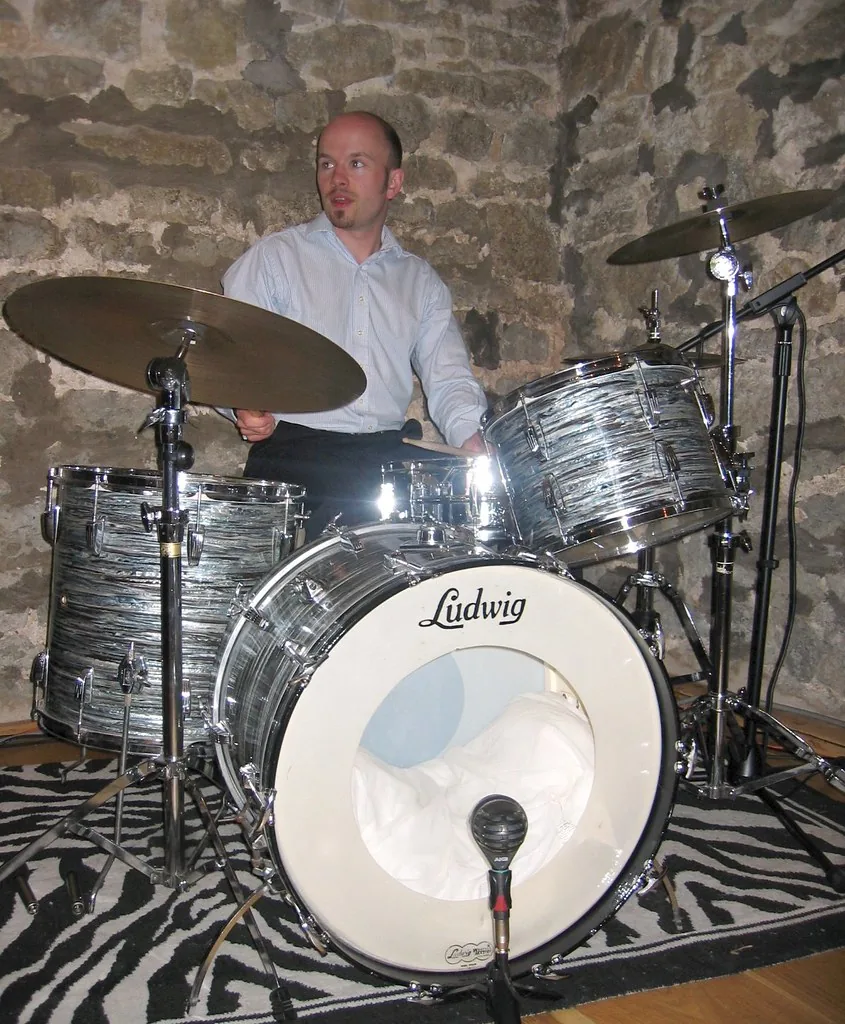
Playing reggae on the drums takes groove and sensitivity. Familiarize yourself with different reggae styles, such as “one-drop,” “rocker,” “stepper,” and “rub-a-dub,” to develop a varied repertoire and understand the subtleties of each style.
By mastering the basic techniques and developing your own style, you can make a unique contribution to reggae. So put on your headphones, pick up your drumsticks, and immerse yourself in the captivating world of reggae drumming.
Conclusion
With its distinctive rhythm and Jamaican origins, reggae has won over the music world, offering a range of styles and inspiring many artists over the decades. It developed from ska and rocksteady in the late 1960s. Characterized by a four-beat rhythm, it emphasizes the offbeats through the bass and drums. On the drums, the snare hit on the third beat is one of its most recognizable features.
Throughout its history, reggae has evolved, giving rise to subgenres such as “one-drop,” “rocker,” “stepper,” and “rub-a-dub.” Each has its own characteristics and has contributed to the evolution of this iconic musical genre.
Bob Marley and the Wailers played a crucial role in reggae’s international success, spreading messages of peace, love, and justice through their music. Their influence and contribution helped popularize reggae around the world, securing its place in music history.
To play a reggae rhythm on the drums, a good starting point is to master the “one-drop,” a characteristic reggae drumming style. Reggae has become popular worldwide, and its diverse styles continue to inspire artists from different musical genres.
FAQ
What is the rhythm of reggae?
Reggae has a four-beat rhythm in which the bass and drums emphasize the offbeats. On the drums, its most characteristic feature is the snare hit on the third beat.
What are the origins and evolution of reggae rhythm?
Reggae grew out of ska and rocksteady. It has evolved throughout its history, notably through styles such as “one-drop,” “rocker,” “stepper,” and “rub-a-dub.”
What are the different styles of reggae?
Reggae has evolved and given rise to styles including “one-drop,” “rocker,” “stepper,” and “rub-a-dub.” Each has its own characteristics.
Why are Bob Marley and the Wailers important to reggae?
Bob Marley and the Wailers contributed to reggae’s international success. Their influence was crucial in popularizing the genre.
How do you play reggae on the drums?
To play a reggae rhythm on the drums, a good starting point is to master the “one-drop.” This helps you learn reggae’s characteristic rhythm.