
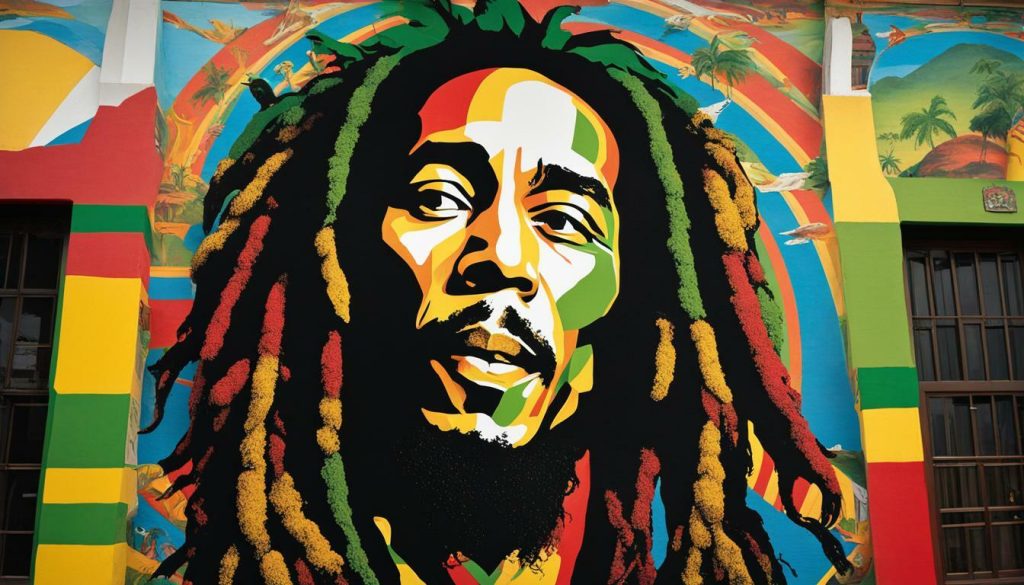
Reggae is a musical genre deeply rooted in Jamaica, where it emerged in the late 1960s. This powerful and captivating genre won audiences around the world thanks to iconic artists such as Bob Marley, who brought Jamaican music to international attention. Jamaica, the birthplace of reggae, played an essential role in its development through its distinctive atmosphere, vibrant culture and rich musical tradition.
The influence of Jamaican music runs deep in reggae. From the lively rhythms of mento and calypso to its fusion with ska, rocksteady, R&B, jazz and soul music, reggae grew out of a blend of musical genres. It is also closely linked to the Rastafari movement, which greatly contributed to its popularity and spiritual message.
Bob Marley, one of reggae’s most iconic figures, played a central role in its rise. His socially conscious, heartfelt songs reached millions of people around the world, bringing reggae to the forefront of popular music in the 1970s. His legacy lives on today: his message of love, peace and unity resonates across generations.
Reggae also addresses political issues and social concerns, echoing the struggles of oppressed people. The genre is often regarded as a voice for the voiceless: it uses the power of music to raise awareness of important social issues.
In 2018, reggae was recognized by UNESCO as intangible cultural heritage of humanity, in acknowledgment of its influence and contribution to world culture.
Reggae: a blend of musical genres
Reggae grew out of a blend of Jamaican musical genres, such as ska and rocksteady, along with other styles including mento, calypso, R&B, jazz and soul music. This distinctive genre draws inspiration from the richness of Jamaican culture and the varied musical influences that have shaped it over the years.
Ska, rocksteady and mento are precursor genres that laid the foundations for reggae in the 1960s. Ska is an energetic, danceable style, while rocksteady is slower and more measured. Both genres helped shape reggae through their characteristic rhythms and distinctive sounds. Mento, meanwhile, is a traditional Jamaican genre that blends African and Caribbean influences. It also played a part in reggae’s formation.
Reggae was also influenced by international genres such as calypso, R&B, jazz and soul music. These influences enriched it with a variety of melodic, rhythmic and harmonic elements. Reggae thus developed into a genre in its own right, with a recognizable musical identity.
| Jamaican musical genres | International musical genres |
|---|---|
| Ska | Calypso |
| Rocksteady | R&B |
| Mento | Jazz |
| Soul music |
Reggae is therefore a true musical melting pot, where Jamaican sounds mingle with international influences to create a distinctive, unmistakable style. This diversity contributes to its popularity and universal appeal: it is now played and enjoyed around the world.
Bob Marley’s role in the rise of reggae
Bob Marley played a crucial role in spreading reggae around the world, making the genre a major force in popular music during the 1970s. Born in Jamaica in 1945, Marley began his musical career as a singer with The Wailers before continuing to perform under his own name with the Wailers. With his distinctive voice, meaningful lyrics and stage presence, Marley captivated audiences worldwide and helped popularize reggae far beyond Jamaica’s borders.
Bob Marley’s songs carried important social and political messages, addressing injustice, freedom, love and unity. His landmark album “Exodus,” released in 1977, was a huge success and cemented his place among reggae’s defining figures. Marley created songs that were socially conscious, infectious and accessible, contributing to his immense popularity.
Bob Marley once said, “Music can set people free.” This quotation sums up his influence on music and culture in the 1970s.
Bob Marley’s musical legacy is immense. His music continues to reach new generations, and his message of peace, love and justice still resonates today. UNESCO recognized the importance of reggae as intangible cultural heritage of humanity in 2018, highlighting the lasting worldwide influence of Bob Marley and reggae.
| Album | Year | Highest chart position |
|---|---|---|
| Exodus | 1977 | 3 |
| Legend | 1984 | 5 |
| Kaya | 1978 | 4 |
Reggae addresses political issues and social concerns and is often regarded as the music of the oppressed. Its socially conscious lyrics and infectious melodies make it a means of protesting and resisting injustice. Reggae artists use their music to denounce inequality, poverty, racial discrimination, political and social oppression, and other social problems.
Reggae gives a voice to disadvantaged and marginalized people by bringing their struggles to light and calling for action. Reggae lyrics often convey messages of peace, love, solidarity and justice. Artists use their music to raise awareness and encourage change, hoping to create a better world for everyone.
Reggae is much more than music; it is a force for social change, a way to defend human rights and fight oppression. — Bob Marley
Reggae has also played a key role in liberation and independence movements in many countries. In Africa, for example, it was adopted as a symbol of resistance to colonialism and apartheid. Songs such as Bob Marley’s “Zimbabwe” inspired struggles for freedom.
| Political and social issues addressed in reggae |
|---|
| Social and economic inequality |
| Racial discrimination |
| Political oppression |
| Poverty and unemployment |
| Violence and war |
| Freedom and independence |
In conclusion, reggae is much more than a form of entertainment. It is a powerful way to convey political and social messages, prompt reflection and promote change. As the music of the oppressed, it remains a symbol of resistance and solidarity, bringing people together around the universal values of justice and equality.
Reggae is closely linked to the Rastafari movement, a religious movement that arose in Jamaica and whose spirituality is reflected in the music and lyrics. Rastafari emerged in the 1930s and traces its roots to the teachings of the prophet Marcus Garvey, who advocated pride and liberation for African peoples. Rastafari followers revere the Ethiopian emperor Haile Selassie I, whom they regard as an incarnation of God on Earth.
Reggae became a way to spread Rastafari messages beyond Jamaica’s borders. Reggae lyrics often address themes such as social justice, unity, peace and liberation. Reggae artists use their music to convey messages of resistance to oppression and inspire listeners to embrace a spirituality based on love, compassion and respect for nature.
Rastafari has also influenced reggae artists’ appearance and way of life. Dreadlocks, brightly colored clothing and Rastafari symbols such as the Lion of Judah are often associated with reggae culture. Rastafari ceremonies and gatherings, such as Nyabinghi gatherings, are also occasions for celebration and spiritual fellowship that influence reggae artists’ songwriting and performances.
The close relationship between reggae and the Rastafari movement has made the music a means of denouncing social injustice and encouraging positive change. By embodying Rastafari values, reggae continues to inspire generations of musicians and listeners around the world, spreading a message of hope, resistance and spirituality.
| Rastafari’s influence on reggae | Rastafari symbols | Themes addressed in reggae songs |
|---|---|---|
| Rastafari inspires reggae lyrics that advocate social justice, unity and peace. | The Lion of Judah and other Rastafari symbols frequently appear in reggae imagery. | Reggae addresses political issues and social concerns such as injustice, oppression and liberation. |
| The Rastafari movement also influences reggae artists’ way of life, including their dreadlocks and colorful clothing. | Green, yellow and red are often associated with reggae culture and Rastafari. | Rastafari spirituality is reflected in reggae music, which advocates love, compassion and respect for nature. |
Conclusion
In conclusion, reggae is a musical genre of Jamaican origin that developed from several styles into a distinctive form of expression. Its global popularity, political and social role, and close connection with the Rastafari movement make it an iconic part of Jamaican culture.
Reggae grew out of styles such as ska and rocksteady, while also drawing inspiration from mento, calypso, R&B, jazz and soul music. Its name comes from the Toots and the Maytals song “Do the Reggay,” released in 1967.
After Bob Marley’s success in the 1970s, reggae became known worldwide. It is now played by groups from many backgrounds around the globe. The political and social issues addressed in reggae songs make it a socially conscious genre, regarded as a voice for the oppressed.
In recognition of its cultural importance, UNESCO inscribed reggae on the list of the intangible cultural heritage of humanity in 2018. This inscription highlights the genre’s lasting influence on society and its ability to cross borders.
FAQ
What country is reggae from?
Reggae originated in Jamaica, particularly in the neighborhoods of Kingston.
Is reggae influenced by other musical genres?
Yes, reggae is influenced by other musical genres, including ska, rocksteady, mento, calypso, R&B, jazz and soul music.
What role did Bob Marley play in the development of reggae?
Bob Marley played a major role in popularizing reggae worldwide in the 1970s.
What themes do reggae songs address?
Reggae often addresses political issues and social concerns and is regarded as the music of the oppressed.
What is the relationship between reggae and the Rastafari movement?
Reggae is closely linked to the Rastafari movement in Jamaica, although the two are not inseparable.
Is reggae recognized as intangible cultural heritage of humanity?
Yes. In 2018, UNESCO inscribed reggae on the list of the intangible cultural heritage of humanity.