
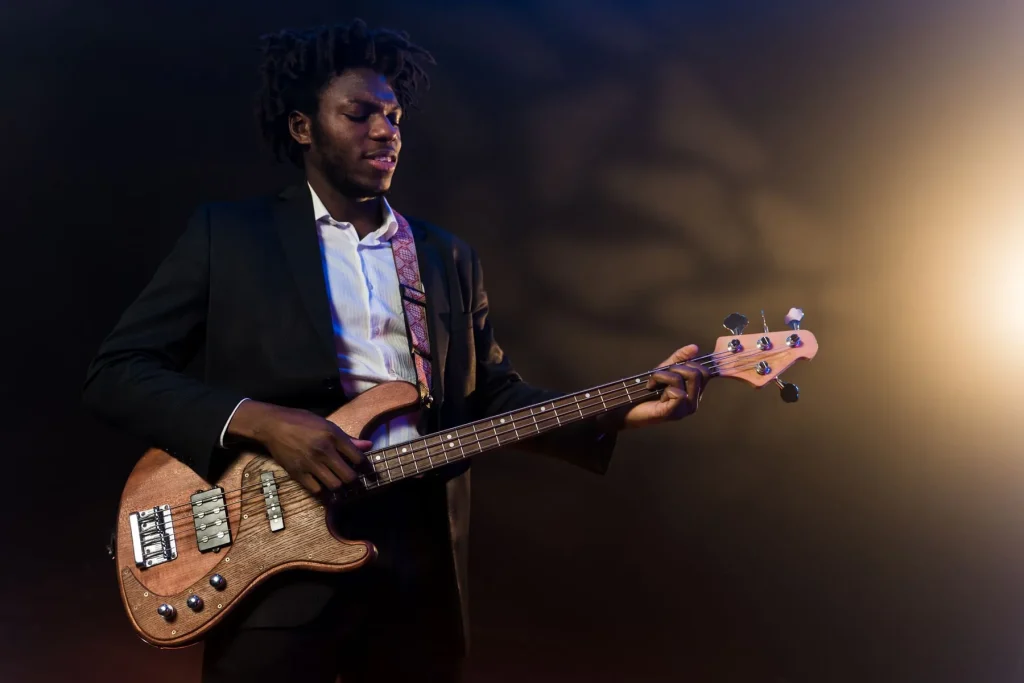
Reggae is a distinctive musical genre, easily recognized by its characteristic sound and engaging rhythm. It developed from a blend of styles including rhythm and blues, ska, mento and Nyabinghi chants. It became emblematic of Jamaican culture and gained listeners around the world. To recognize reggae music, listen for a few key elements.
First, reggae emphasizes the offbeats, giving it a relaxed, buoyant feel. The skank, a rhythmic pattern played on rhythm guitar or keyboard, often marks those beats. It helps create reggae’s characteristic groove.
The instruments used in reggae also help identify it. Drums and bass are central to the style, producing a moderate but lively rhythm. They give the music depth and power, providing a foundation for the other instruments.
Finally, reggae lyrics often address Rastafari, love, peace and social injustice. Reggae artists use their music to convey messages of hope, resistance and change. This social commitment is another key feature of the genre.
To help you become more familiar with reggae, here is an image illustrating instruments commonly used in the genre:
Now that you know the musical characteristics of reggae and its defining instruments, you will be better able to recognize it when you hear it. In the following sections, we will explore reggae’s history, influential artists and classic albums in more detail.
The musical characteristics of reggae
Reggae stands out for its musical characteristics, particularly its instrumentation and syncopated rhythm. Originating in Jamaica, it grew from a mixture of styles including rhythm and blues, ska, mento and Nyabinghi chants.
Reggae emphasizes the offbeats through the skank, a rhythmic pattern played on rhythm guitar or keyboard. This technique creates a characteristic sway that gives reggae its recognizable groove.
Drums and bass are the main instruments in reggae, providing a strong, engaging rhythmic foundation. The drums often play syncopated patterns, while the bass adds depth and distinctive melodic lines. Together, they form the heart of reggae’s powerful, infectious sound.
Table: instruments used in reggae
| Instruments | Description |
|---|---|
| Drums | Provide the beat and the syncopated patterns characteristic of reggae. |
| Bass | Adds depth and melody to reggae music. |
| Rhythm guitar | Plays the skank, a rhythmic pattern that emphasizes the offbeats. |
| Keyboard | Can also play the skank and add harmonic textures. |
| Trumpet and saxophone | Add elements of jazz and soul to some reggae tracks. |
Reggae lyrics often have a social and political dimension. They address subjects such as Rastafari, the struggle against injustice and universal love. Famous reggae artists such as Bob Marley, Peter Tosh and Jimmy Cliff have used their music to share messages of peace, equality and social awareness.
Reggae gained worldwide popularity through classic albums such as Bob Marley’s “Exodus”, The Wailers’ “Catch a Fire” and Peter Tosh’s “Legalize It”. These influential albums helped establish reggae as an important genre and paved the way for many other reggae artists.

- Reggae is a musical genre that developed from a blend of different styles.
- Reggae’s distinctive musical characteristics include syncopated rhythms and instruments such as drums, bass and rhythm guitar.
- Reggae lyrics often address social and political themes.
- Classic albums by artists such as Bob Marley helped popularize reggae worldwide.
The origins and history of reggae
Reggae has a rich history rooted in Jamaica. It has evolved over the decades through the work of influential artists and the development of diverse styles. The genre emerged in Jamaica in the 1960s, influenced by rhythm and blues, ska, mento and Nyabinghi chants.
Reggae is distinguished by its characteristic rhythm, which emphasizes the offbeats. This effect is produced in part by the skank, played on rhythm guitar or keyboard. Drums and bass create a moderate but lively rhythm that invites listeners to dance and immerse themselves in the music.
Reggae lyrics often explore profound subjects, including Rastafari, spirituality and social injustice. Famous reggae artists such as Bob Marley, Peter Tosh and Jimmy Cliff have carried these messages through their socially conscious lyrics and powerful music.
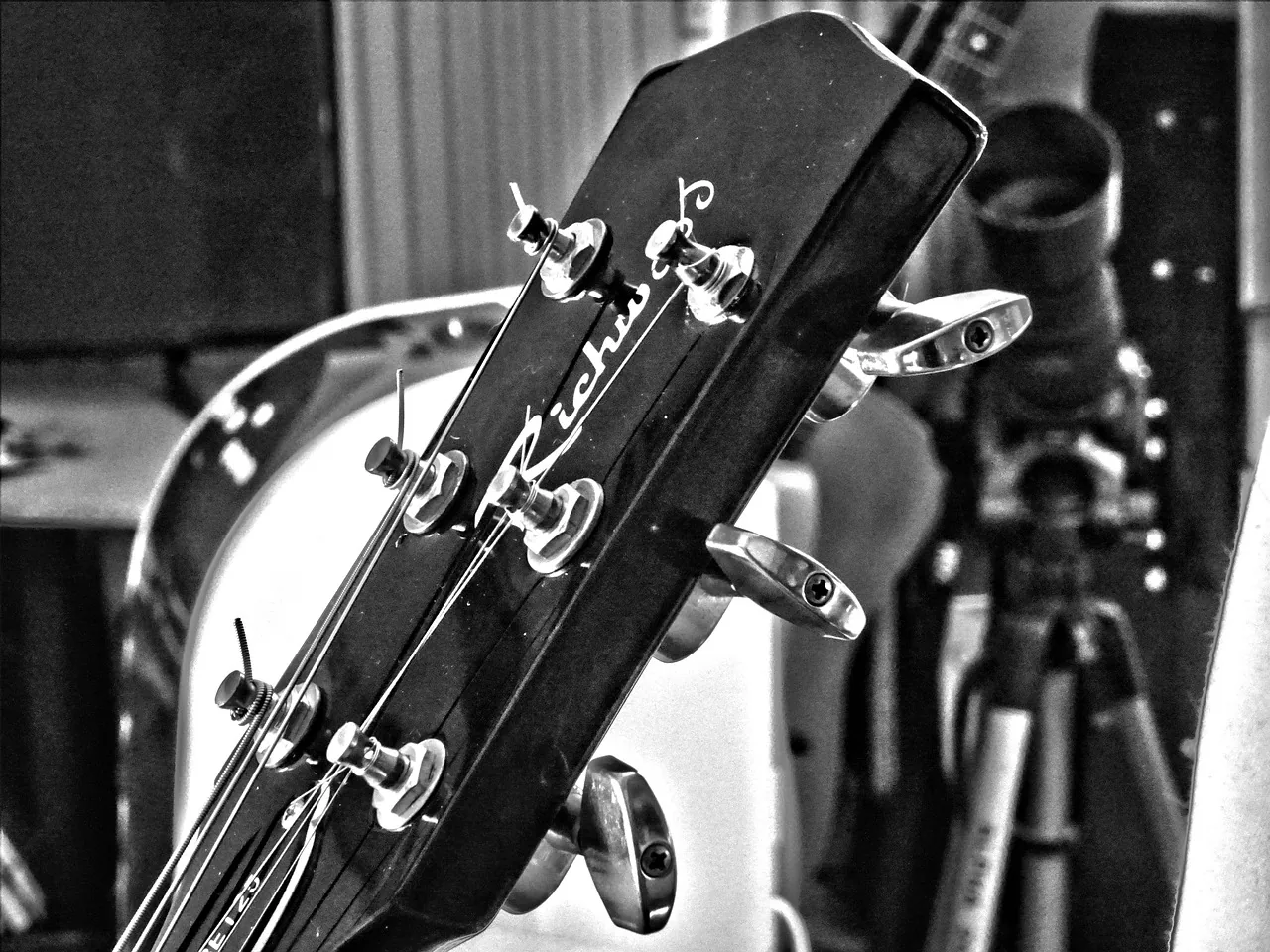
Different styles of reggae
Over the years, reggae has diversified into many styles. Among the best known are roots reggae, which emphasizes social and spiritual themes, and dancehall, characterized by faster rhythms and lyrics often associated with partying and sexuality.
| Reggae style | Description |
|---|---|
| Roots reggae | A traditional style focused on social and spiritual themes. |
| Dancehall | Faster rhythms and lyrics associated with partying and sexuality. |
| Dub | An often instrumental form of reggae that emphasizes mixing and sound effects. |
| Ragga | A combination of reggae and dancehall with hip-hop and electronic influences. |
Reggae continues to influence artists and musical genres around the world. Its distinctive sound and positive messages give it lasting appeal, bringing people together across cultures through music and love.
Classic reggae albums
Classic reggae albums are essential listening for music lovers and mark important moments in reggae history. These influential releases helped define the genre and inspired artists around the world. Here are some classic reggae albums worth hearing:
1. “Exodus” by Bob Marley & The Wailers
“Exodus” is considered one of Bob Marley & The Wailers’ finest albums. Released in 1977, it includes enduring songs such as “Jamming”, “Three Little Birds” and “One Love/People Get Ready”. With its message of peace, love and justice, “Exodus” became a symbol of reggae and helped establish Bob Marley as a musical legend.
2. “Legend” by Bob Marley & The Wailers
“Legend” is a compilation of Bob Marley & The Wailers’ greatest hits. Released in 1984, it brings together iconic songs such as “No Woman, No Cry”, “Redemption Song” and “Could You Be Loved”. One of the world’s best-selling albums, “Legend” captures reggae’s essence and Bob Marley’s artistic influence.
3. “Natty Dread” by Bob Marley & The Wailers
“Natty Dread” is another essential Bob Marley & The Wailers album. Released in 1974, it marked a turning point for the group, with new members and a more rock-influenced sound. Songs such as “Lively Up Yourself”, “No Woman, No Cry” and “Them Belly Full (But We Hungry)” became reggae classics and helped popularize the genre internationally.
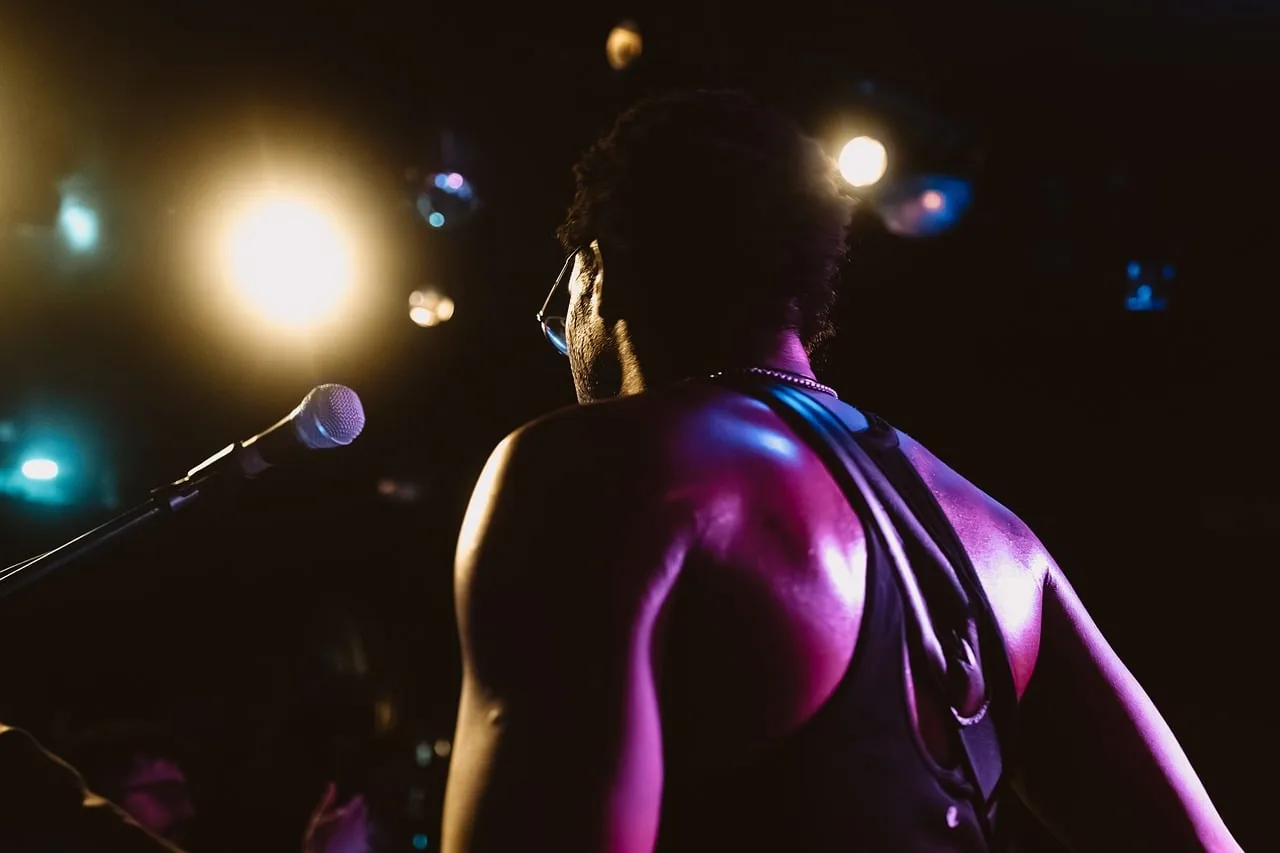
| Album | Artist | Release year |
|---|---|---|
| “Exodus” | Bob Marley & The Wailers | 1977 |
| “Legend” | Bob Marley & The Wailers | 1984 |
| “Natty Dread” | Bob Marley & The Wailers | 1974 |
Conclusion
By understanding reggae’s distinctive musical characteristics, exploring its history and listening to classic albums, you can recognize and fully appreciate this unique music.
Reggae emerged from a blend of styles including rhythm and blues, ska, mento and Nyabinghi chants. The combination creates a recognizable sound, with the skank emphasizing the offbeats.
Drums and bass are the main instruments used in reggae, producing a moderate but lively rhythm. They give reggae a distinctive rhythmic character while leaving room for the genre’s other musical elements.
Reggae lyrics often address Rastafari and social injustice. They convey messages of love, peace and resistance, contributing to the genre’s deeply committed identity.
Bob Marley is one of reggae’s best-known artists. He played a vital role in popularizing the genre worldwide. His iconic songs, including “No Woman, No Cry” and “One Love”, demonstrate the artistry and power of reggae music.
FAQ
How can you recognize reggae music?
You can recognize reggae by distinctive features such as its offbeat emphasis, marked by the skank played on rhythm guitar or keyboard. Lyrics also often address Rastafari and social injustice.
What are the musical characteristics of reggae?
The musical characteristics of reggae reflect a blend of genres including rhythm and blues, ska, mento and Nyabinghi chants. Its main instruments are drums and bass, which produce a moderate but lively rhythm.
What instruments are used in reggae?
The main instruments used in reggae are drums and bass. Rhythm guitar, keyboards and percussion can also be part of the music.
What is the typical reggae rhythm?
A typical reggae rhythm emphasizes the offbeats through the skank. This lively pattern helps create the genre’s characteristic feel.
Where did reggae originate, and how did it develop?
Reggae emerged in Jamaica in the 1960s. It is closely associated with Rastafari and has often voiced opposition to social injustice. Artists such as Bob Marley helped popularize reggae around the world.
Who are some famous reggae artists?
Bob Marley is one of reggae’s most famous and influential artists. Other notable artists include Peter Tosh, Jimmy Cliff, Burning Spear and Toots and the Maytals.
What are the different styles of reggae?
Reggae has given rise to several styles, including roots reggae, dancehall, dub, ragga and reggae fusion. Each has its own characteristics and has contributed to the music’s evolution.
What are some classic reggae albums?
Classic reggae albums include “Exodus”, “Legend” and “Catch a Fire” by Bob Marley and the Wailers, “Marcus Garvey” by Burning Spear and “The Harder They Come” by Jimmy Cliff.