
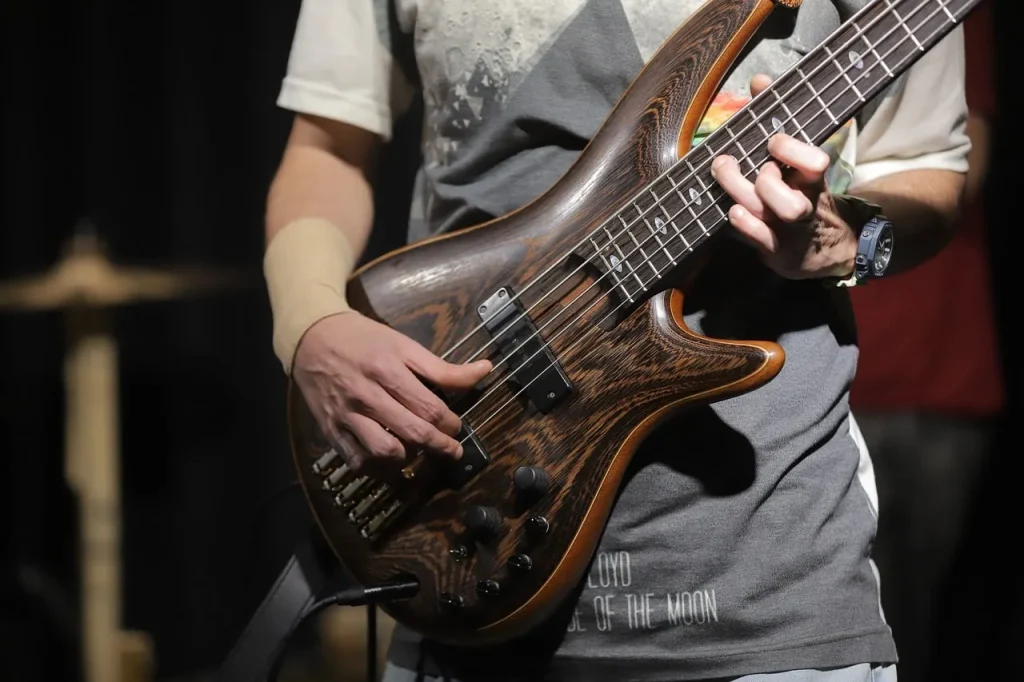
Reggae is a musical genre that emerged in Jamaica in the late 1960s and gave rise to many subgenres.
Reggae, shaped by influences including mento, calypso, ska, rocksteady, R&B, and jazz, has evolved over time and produced subgenres with distinct characteristics.
In this article, we explore the different types of reggae, from the best known to the less familiar, to better understand the music and its cultural impact.
The Origins and Evolution of Reggae
Reggae draws on influences including mento, calypso, ska, rocksteady, R&B, and jazz. The genre emerged in Jamaica in the late 1960s and has evolved considerably since then.
The origins of reggae can be traced to the syncopated rhythm of ska, which was popular in the 1960s. Ska features a horn section and a fast tempo. Over time, it evolved into rocksteady, a slower, more soulful genre. Rocksteady laid the foundations for reggae by introducing slower rhythms, powerful bass lines, and socially engaged lyrics.
One of the most iconic figures in reggae’s evolution is Bob Marley, who played a major role in popularizing the genre worldwide. His socially engaged songs and messages of peace and love helped make reggae a symbol of resistance and hope. Today, reggae continues to evolve as new artists bring their own styles and creativity to the genre.
The Main Stages in Reggae’s Evolution:
- The 1960s: the emergence of ska and rocksteady, the forerunners of reggae.
- The 1970s: reggae’s golden age, with artists such as Bob Marley, Peter Tosh, and Jimmy Cliff.
- The 1980s: the emergence of subgenres such as dub reggae and dancehall.
- The 1990s and beyond: reggae’s global expansion and the emergence of subgenres such as reggaeton and reggae fusion.
Reggae has had a profound cultural impact by using music to convey social and political messages. It has also influenced many other musical genres, including hip-hop, punk, and pop. With its compelling rhythms and meaningful lyrics, reggae continues to captivate listeners around the world.
| Subgenre | Description |
|---|---|
| Dub reggae | Characterized by the use of effects and the absence of vocals. |
| Dancehall | Fast rhythm and use of Jamaican Patois. |
| Reggaeton | A combination of Jamaican dancehall, salsa, bomba, and electronic music, with rapped lyrics. |
| Raggamuffin | Close to dancehall, but using electronic sounds and samples. |
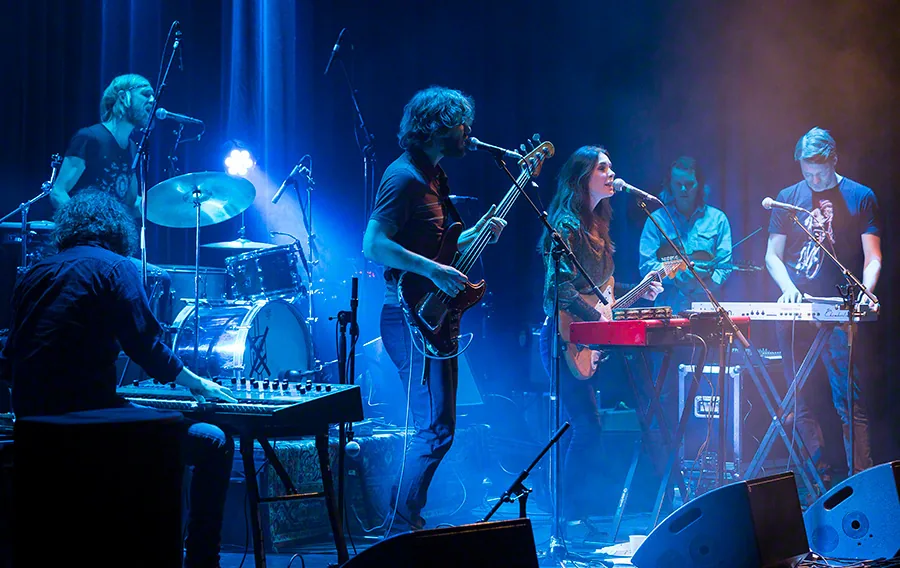
Dub reggae emerged in the late 1960s and is characterized by effects such as delay, echo, and reverb, as well as the absence of vocals. This Jamaican subgenre is often considered an instrumental version of reggae that emphasizes sound production and experimentation. Dub reggae stands out for its creative use of effects, which give the reggae rhythm a spacious, hypnotic quality.
Dub reggae producers are known for their mastery of mixing consoles: they manipulate tracks and effects live during recording sessions. Dub reggae pieces may be instrumental versions of existing reggae songs or original compositions created specifically to explore the genre’s sonic possibilities.
Dub reggae has had a significant influence on other musical genres, particularly electronic music and remixing. Many electronic and dance music producers have adopted the mixing and production techniques used in dub reggae. Today, dub reggae remains popular with music enthusiasts for its experimental approach and immersive atmosphere.
| Characteristics of dub reggae | Influence on music |
|---|---|
| Use of sound effects (delay, echo, reverb) | Influence on electronic music and remixing |
| Absence of vocals | Exploration of sonic possibilities |
| Experimental approach to production | Creation of immersive atmospheres |
Dub reggae is a true sonic experience. Its effects create a unique, hypnotic atmosphere that takes listeners on a musical journey. This subgenre has crossed the boundaries of Jamaican music and inspired musicians and producers around the world.
Dancehall
Dancehall is an energetic reggae subgenre distinguished by its fast rhythm and use of Jamaican Patois. Originating in Jamaica in the 1960s, dancehall has become one of the world’s most popular musical styles. It draws on reggae but has a quicker pace and a festive atmosphere.
Dancehall is characterized by compelling rhythms, deep bass lines, and creative use of Auto-Tune and samples. Its lyrics, often in Jamaican Patois, address topics such as love, life in disadvantaged neighborhoods, and social issues. Dancehall artists are known for their rapid delivery and energetic stage performances.
This subgenre has played a major role in popularizing Jamaican music worldwide. Artists such as Sean Paul, Shaggy, and Beenie Man brought dancehall to the international stage, giving it unprecedented visibility. Dancehall has also influenced other musical genres, including hip-hop, pop, and electronic music, encouraging new collaborations and exchanges between musical cultures.
| Artist | Works |
|---|---|
| Sean Paul | “Dutty Rock”, “Temperature”, “Get Busy” |
| Shaggy | “It Wasn’t Me”, “Boombastic”, “Angel” |
| Beenie Man | “King of the Dancehall”, “Who Am I”, “Dude” |
Dancehall continues to evolve and produce new talent whose artists continually push the genre’s boundaries. Its popularity keeps growing in Jamaica and around the world, making it a musical force in its own right and a showcase for Jamaican culture.
Other Reggae Subgenres
Reggae has spawned many other subgenres, including reggaeton, raggamuffin, reggae fusion, lovers rock, reggae rock, African reggae, gospel reggae, and reggaestep. Each adds something distinctive to reggae’s musical landscape, with varied sounds and cultural influences.
Reggaeton is a style that combines Jamaican reggae, salsa, bomba, and electronic music. It stands out for lyrics that are rapped rather than sung, creating a lively, danceable atmosphere.
Raggamuffin is another subgenre that emerged in the 1980s. It draws on dancehall but uses electronic sounds and samples to create a more modern, dynamic style.
Reggae fusion is an eclectic blend of reggae and elements of hip-hop, jazz, funk, pop, rock, and drum and bass. This subgenre features simple chord progressions and compelling rhythms, creating a harmonious fusion of different musical styles.
Lovers rock is a reggae subgenre known for its romantic lyrics and melodic style. Emerging in Britain in the 1970s, it offers a gentle, soothing expression of love and emotion.
Reggae rock is a bold blend of reggae, rock, and ska, with punk and hip-hop influences. Its lyrics address love, life’s challenges, and self-awareness, while its fusion of genres creates a distinctive, powerful sound.
African reggae is a form of reggae that developed across Africa, incorporating traditional sounds and rhythms specific to each region. It became very popular and influenced many African artists and bands.
Gospel reggae combines reggae with Christian lyrics, creating spiritual, uplifting music that pairs reggae rhythms with a strong religious message.
Finally, reggaestep is a bold blend of reggae and dubstep. It combines reggae drum samples with dubstep’s characteristic rhythm to create an energetic, compelling sound.
With their individual characteristics and influences, these subgenres add to reggae’s musical diversity while remaining connected by its distinctive rhythm, powerful bass, and messages of love, resistance, and hope.
Summary of Reggae Subgenres:
| Subgenre | Description |
|---|---|
| Reggaeton | A combination of Jamaican reggae, salsa, bomba, and electronic music, with rapped lyrics. |
| Raggamuffin | A dancehall-inspired style using electronic sounds and samples. |
| Reggae fusion | A blend of reggae and elements of hip-hop, jazz, funk, pop, rock, and drum and bass. |
| Lovers rock | A romantic reggae subgenre with gentle, melodic lyrics. |
| Reggae rock | A combination of reggae, rock, and ska, with punk and hip-hop influences. |
| African reggae | A form of reggae developed in Africa and influenced by local musical traditions. |
| Gospel reggae | A blend of reggae and Christian lyrics conveying a religious message. |
| Reggaestep | A blend of reggae and dubstep, characterized by reggae drum samples and dubstep rhythms. |
Reggae and its many subgenres offer a varied musical palette, allowing everyone to find a rhythm and a message that speaks to them.
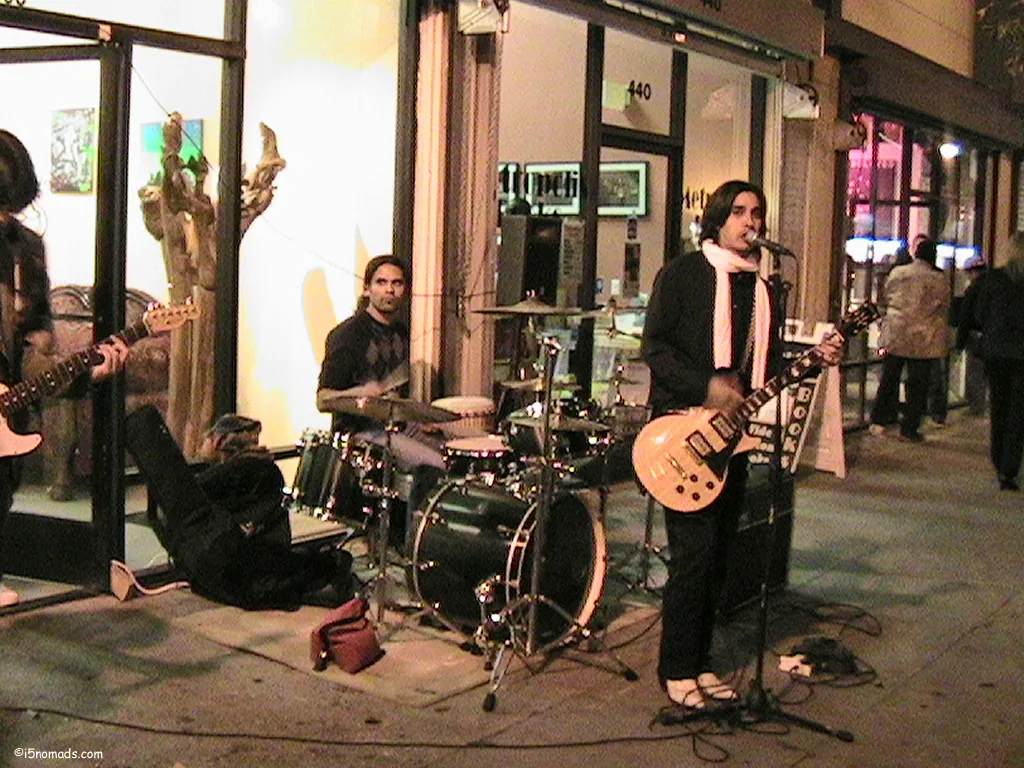
All reggae subgenres share a distinctive rhythm, powerful bass, and messages of love, resistance, and hope. These fundamental elements define and unite reggae in all its forms. Reggae’s characteristic rhythm is often called a “riddim” and is distinguished by its slow, syncopated tempo. It rests on a rhythm section of bass and drums, which together create a compelling groove.
Bass plays an essential role in reggae: it provides deep, melodic lines that are often prominent in the mix. Its power contributes to reggae’s characteristic sense of vibration and energy. It is often highlighted through techniques such as slides, palm-muted notes, and harmonies.
“Reggae is a musical genre that can touch hearts and minds through its messages of love, resistance, and hope. Each subgenre contributes to this tradition in its own way, exploring different aspects of life and human experience.”
Lyrics are also central to reggae: they convey messages of love, resistance, social awareness, and the pursuit of freedom. Singers often use metaphors, allegories, and poetic imagery to communicate their messages with depth and emotion. Their lyrics address social injustice, perseverance, universal love, and the search for spiritual freedom.
With its distinctive rhythm, powerful bass, and profound messages, reggae has touched and inspired millions of people worldwide. Through dub reggae, dancehall, reggaeton, and every other subgenre, it continues to evolve and reinvent itself while retaining its essence and universal message.
Summary of Reggae Subgenres:
| Reggae subgenre | Characteristics |
|---|---|
| Dub reggae | Use of effects; absence of vocals |
| Dancehall | Fast rhythm; use of Jamaican Patois |
| Reggaeton | Combination of dancehall, salsa, bomba, and electronic music; rapped lyrics |
| Raggamuffin | Close to dancehall; use of electronic sounds and samples |
| Reggae fusion | Incorporation of hip-hop, jazz, funk, pop, rock, and drum and bass elements |
| Lovers rock | Romantic lyrics; gentle, melodic style |
| Reggae rock | Blend of reggae, rock, ska, punk, and hip-hop; lyrics about love and self-awareness |
| African reggae | Developed in Africa; influenced by local musical traditions |
| Gospel reggae | Blend of reggae and Christian lyrics |
| Reggaestep | Blend of reggae and dubstep; reggae drum samples paired with dubstep rhythms |
Exploring the different types of reggae reveals the richness and diversity of the genre and its contribution to global musical culture.
Reggae is a musical genre that emerged in Jamaica in the late 1960s. It draws on influences including mento, calypso, ska, rocksteady, R&B, and jazz. Over time, it has evolved and given rise to many subgenres, each with its own characteristics and influences.
Dub reggae, which emerged in the late 1960s, stands out for its use of effects such as delay, echo, and reverb, as well as the absence of vocals. Dancehall, which emerged in the 1960s, is characterized by its fast rhythm and use of Jamaican Patois. Reggaeton combines Jamaican dancehall, salsa, bomba, and electronic music, and features lyrics that are rapped rather than sung. Raggamuffin, which originated in the 1980s, is close to dancehall and uses electronic sounds and samples.
Reggae fusion incorporates elements of hip-hop, jazz, funk, pop, rock, and drum and bass. Lovers rock, which emerged in Britain in the 1970s, is known for its romantic lyrics and gentle, melodic style. Reggae rock blends reggae with rock, ska, punk, and hip-hop, with lyrics about love, life’s challenges, and self-awareness. African reggae developed in Africa under the influence of local musical traditions. Gospel reggae pairs reggae with Christian lyrics, using reggae rhythms to accompany a religious message. Finally, reggaestep combines reggae and dubstep, pairing reggae drum samples with dubstep rhythms.
All these subgenres have contributed to reggae’s richness and diversity. Each brings something distinctive, but they are all connected by a particular rhythm, powerful bass, and the messages of love, resistance, and hope at reggae’s heart. Thanks to its cultural heritage and ability to reinvent itself, reggae continues to inspire artists and touch hearts around the world.
FAQ
What are the different types of reggae?
Reggae includes several subgenres, such as dub reggae, dancehall, reggaeton, raggamuffin, reggae fusion, lovers rock, reggae rock, African reggae, gospel reggae, and reggaestep.
What are reggae’s origins, and how has it evolved?
Reggae is a musical genre that emerged in Jamaica in the late 1960s. It draws on influences including mento, calypso, ska, rocksteady, R&B, and jazz.
What is dub reggae?
Dub reggae is a subgenre that emerged in the late 1960s. It is characterized by effects such as delay, echo, and reverb, as well as the absence of vocals.
What is dancehall?
Dancehall is an energetic reggae subgenre that emerged in the 1960s. It stands out for its fast rhythm and use of Jamaican Patois.
What are the other reggae subgenres?
Reggaeton combines Jamaican dancehall, salsa, bomba, and electronic music. Raggamuffin is close to dancehall but uses electronic sounds. Reggae fusion incorporates elements of hip-hop, jazz, funk, pop, rock, and drum and bass. Lovers rock is known for its romantic lyrics. Reggae rock blends reggae with rock and ska. African reggae developed in Africa under the influence of local musical traditions. Gospel reggae pairs reggae with Christian lyrics. Reggaestep blends reggae with dubstep.
What characteristics do reggae styles share?
Reggae is characterized by distinctive rhythms, powerful bass lines, and messages of love, resistance, and hope.