

Reggae is a revolutionary Jamaican music genre that has had a global impact on music, culture and society. Since its emergence in the 1960s, it has influenced many other genres and driven cultural and musical movements in different parts of the world. It has found a place in many cultures, becoming a symbol of cultural diversity.
Reggae has made a significant contribution to music and society worldwide. In Europe, the United States and Africa, it has inspired cultural and musical movements such as the skinhead movement in England, punk rock and hip-hop. Reggae has also influenced many African artists, including Alpha Blondy, Tiken Jah Fakoly and Lucky Dube, who have incorporated elements of it into their own music.
Reggae is closely linked to the Rastafari movement, which promotes African identity, spiritual resistance and the struggle against oppression. The socially conscious lyrics of reggae songs have raised awareness of social issues such as racial discrimination, poverty and oppression. Reggae has become a voice for people who previously went unheard.
Through iconic artists such as Bob Marley, reggae has become a powerful means of communication and a unifying force across countries and cultures. It has crossed cultural and linguistic boundaries to touch the hearts and minds of millions. Today, it continues to evolve and influence new generations of artists, leaving a lasting musical legacy.
The history of reggae and its Jamaican roots
Reggae emerged in Jamaica in the 1960s from ska and rocksteady. Jamaican artists such as Bob Marley, Peter Tosh and Jimmy Cliff helped give it its distinctive sound, with syncopated rhythms and deep bass lines. Reggae became a means of expression for Jamaicans seeking to convey messages of resistance and freedom.
Reggae developed from ska, an energetic, festive style, and rocksteady, which was slower and more graceful. It added sounds closer to soul and socially conscious lyrics about social justice, love and spirituality. It quickly became a way for Jamaicans to speak about their daily struggles and hopes for a better future.
Reggae was also strongly influenced by Jamaican culture, particularly the Rastafari movement. Originating in Jamaica in the 1930s, the movement advocates African identity, spiritual resistance and opposition to oppression. Reggae became a voice for Rastafarians, carrying their messages of peace, unity and justice. Reggae lyrics often contain spiritual and biblical references, reflecting the Rastafarian belief in Ethiopian Emperor Haile Selassie I as a messiah.

Reggae played a major role in shaping countercultural movements and new musical styles around the world. In Europe, it influenced the skinhead movement in England, which adopted it as a soundtrack and brought Jamaican and British working-class cultures together. Reggae also inspired punk rock, a rebellious musical and cultural movement that emerged in the 1970s.
Reggae also influenced the development of hip-hop in the United States. The hip-hop movement drew on its rhythms and socially conscious lyrics, helping create a fusion of genres that transformed popular music. Reggae remains an inspiration for many hip-hop artists today.
| Iconic reggae artists | Country of origin |
|---|---|
| Bob Marley | Jamaica |
| Peter Tosh | Jamaica |
| Jimmy Cliff | Jamaica |
| Alpha Blondy | Côte d’Ivoire |
| Tiken Jah Fakoly | Côte d’Ivoire |
| Lucky Dube | South Africa |
Reggae and the Rastafari movement
Reggae is closely linked to the Rastafari movement, which promotes African identity and spiritual resistance. It was adopted as a form of expression and a way to spread the movement’s teachings and values around the world. Reggae lyrics often convey messages about spirituality, social justice and liberation.
Reggae played an essential role in promoting African identity and cultural pride among Rastafarians and Black communities worldwide. It also contributed to resistance against oppression and the struggle for justice. Reggae artists such as Bob Marley used their music to inspire change and raise collective awareness.
“Reggae is the music of Rastafarians, promoting unity, love, peace and respect for all cultures and races,” said Bob Marley, a global reggae icon.
The relationship between reggae and the Rastafari movement is deep and reciprocal. The movement’s teachings and philosophy inspired reggae artists, while reggae became its voice and soundtrack, amplifying its message around the world.

| Country | Famous reggae artists |
|---|---|
| Jamaica | Bob Marley, Peter Tosh, Burning Spear |
| Nigeria | Alpha Blondy, Majek Fashek |
| Côte d’Ivoire | Tiken Jah Fakoly |
| South Africa | Lucky Dube |
Reggae crossed Jamaica’s borders to become an internationally recognized genre. Iconic reggae artists emerged in countries across Africa and Europe and in the United States, contributing to its worldwide popularity and diversity.
Reggae and social awareness
Reggae has helped raise awareness of social issues such as racial discrimination, poverty and oppression. The socially conscious lyrics of reggae songs have given a voice to oppressed people and helped awaken collective awareness.
Reggae artists have used their music to denounce injustice and draw attention to the social issues they faced. Their songs’ moving, often political lyrics became a powerful way to reach listeners and inform them about social realities. By highlighting issues such as racial discrimination, poverty and oppression, reggae has carried messages of social justice and the need for change.
Reggae is more than music: it is a way to raise awareness, open people’s eyes and offer hope. It reminds us that we are not alone in our struggles and that together we can bring positive change to the world.
Reggae has also played an important role in the formation of social movements. In England, for example, it was adopted by the skinhead movement, which used the music to promote unity and racial equality. Reggae likewise influenced punk rock and hip-hop, both of which drew on some of its elements to express dissatisfaction with inequality and social injustice.
Through its message of social justice and resistance, reggae continues to inspire present and future generations to use music to raise awareness and work toward a fairer, more equal world.
| Social realities addressed by reggae: | Examples of socially conscious reggae songs: |
|---|---|
| Racial discrimination | “Get Up, Stand Up” – Bob Marley |
| Poverty | “No Woman, No Cry” – Bob Marley |
| Oppression | “Redemption Song” – Bob Marley |
Reggae and its international influence
Reggae has had a significant influence worldwide, thanks to iconic artists such as Bob Marley and other African singers. This Jamaican genre has reached millions through its music and socially conscious lyrics. It has crossed cultural and linguistic boundaries to become a symbol of freedom, peace and resistance.
Bob Marley, a reggae icon, is recognized as one of the most influential artists of all time. His timeless songs, such as “No Woman, No Cry” and “One Love,” continue to inspire generations of fans worldwide. African singers have also contributed to reggae’s international influence. Artists such as Alpha Blondy, Tiken Jah Fakoly and Lucky Dube have used it to convey messages of social justice and freedom.
Reggae has also found a home beyond Jamaica. In France, for example, it has become a popular and much-loved genre. French artists such as Tonton David, Pierpoljak and Tryo have incorporated reggae elements into their music while bringing their own styles and identities to it. These artists have helped integrate reggae into French culture and attract a diverse audience.

| Country | Reggae artists |
|---|---|
| France | Tonton David, Pierpoljak, Tryo |
| Brazil | Marcelo D2, Natiruts, Chimarruts |
| United States | Bob Marley, UB40, Inner Circle |
| South Africa | Lucky Dube, The Parlotones, The Rudimentals |
Reggae has also influenced genres such as hip-hop and punk rock. Artists including The Clash, Sublime and Cypress Hill have incorporated reggae elements into their music, creating distinctive blends of styles and influences. These exchanges have contributed to the diversity and evolution of music.
Reggae and cultural movements
Reggae was a catalyst for cultural and musical movements such as the skinhead movement in England, punk rock and hip-hop. These movements emerged in the 1960s and 1970s and drew on reggae for inspiration and as a way to assert themselves against established norms.
The skinhead movement, which originated in England, adopted reggae as its soundtrack, combining Jamaican rhythms with British working-class culture. Skinheads, known for their distinctive clothing and love of reggae music, created a subculture that left its mark on Britain’s musical and social landscape.
Reggae speaks about the problems of everyday life, and that speaks to skinheads. Its lyrics often address struggle and resistance, which resonated with our outlook.
Punk rock, a rebellious movement that emerged in the 1970s, was also influenced by reggae. Punks embraced its authenticity and nonconformist spirit, incorporating elements of the genre into their own music. Bands such as The Clash combined punk rhythms with reggae sounds, creating a distinctive sound that reflected their worldview.
Likewise, hip-hop, a cultural and musical movement that emerged from disadvantaged neighborhoods in the United States, was strongly influenced by reggae. DJs frequently use samples of reggae songs in their productions, adding a distinctive rhythmic and cultural dimension to hip-hop.
Summary of cultural and musical movements influenced by reggae:
| Cultural or musical movement | Country of origin | Reggae’s influence |
|---|---|---|
| Skinhead movement | England | Fusion of Jamaican and British working-class cultures |
| Punk rock | United Kingdom and United States | Incorporation of reggae rhythms and sounds |
| Hip-hop | United States | Frequent use of samples from reggae songs |
Reggae has inspired cultural and musical movements around the world. Its philosophy of resistance, compelling sound and socially conscious lyrics have crossed borders and influenced generations of artists and activists. Reggae remains an iconic genre that has reinvented itself and spread through different cultures, continuing to reach millions worldwide.
Reggae in different cultures
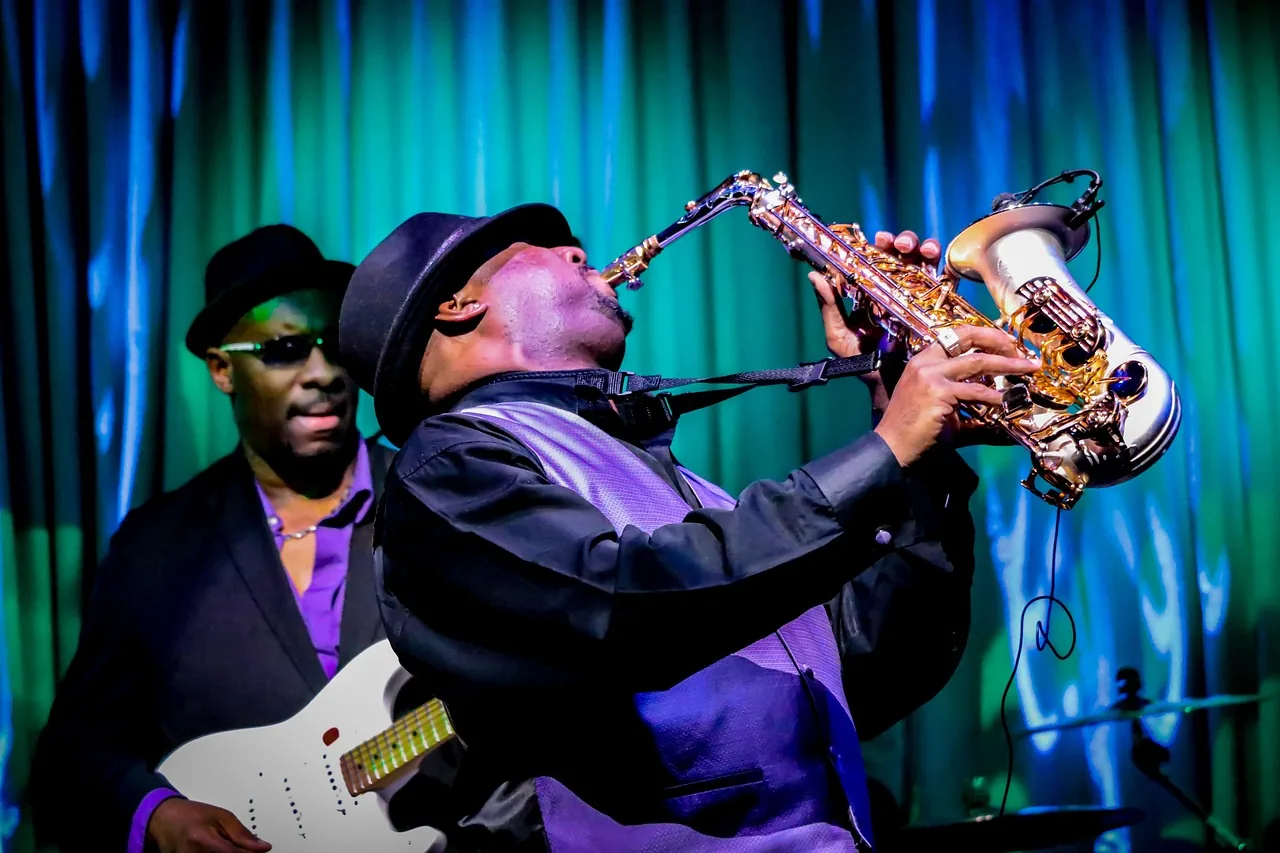
Reggae has found a place in cultures around the world, adding to musical and cultural diversity. This revolutionary Jamaican genre has crossed geographical and linguistic boundaries, reaching millions of people.
In France, reggae has become an important part of the music scene. Artists such as Tiken Jah Fakoly and Alpha Blondy have adopted it and adapted it to their own musical styles, creating a distinctive fusion of reggae and African sounds. French reggae often addresses immigration, social justice and universal love.
Reggae also holds an important place in Brazil. Brazilian reggae, sometimes called “roots reggae,” has become especially popular in parts of the country, notably São Luís, where it is considered a symbol of local cultural identity. Its socially conscious lyrics and catchy melodies have helped raise awareness of social issues among Brazilians.

Reggae has also had considerable influence in the United States. The American reggae movement has featured artists such as Jimmy Cliff, who helped popularize reggae beyond Jamaica. It has also influenced American genres such as hip-hop and rap, creating cultural and musical connections between communities.
| Country | Reggae artists |
|---|---|
| France | Alpha Blondy, Tiken Jah Fakoly |
| Brazil | Bob Marley, Jimmy Cliff |
| United States | Bob Marley, Jimmy Cliff |
In short, reggae has spread worldwide, influencing different cultures and adding to musical and cultural diversity. It continues to bring people together, raise awareness of social issues and give marginalized people a voice. In France, Brazil, the United States and elsewhere, reggae remains a powerful genre and a symbol of the struggle for justice and equality.
Conclusion
Reggae has become a powerful means of communication and a unifying force across countries and cultures. Originating in Jamaica, this revolutionary genre has had a global impact on music, culture and society since its beginnings in the 1960s.
Reggae has influenced many genres and helped catalyze cultural and musical movements in Europe, the United States and Africa. In England, it contributed to the emergence of the skinhead movement, while its infectious rhythms and socially conscious lyrics influenced punk rock and hip-hop.
Reggae can also raise awareness of major social issues, including racial discrimination, poverty and oppression. Its socially conscious lyrics and messages of resistance have encouraged many people to recognize these problems and work for change. Through its close connection with the Rastafari movement, it has also played an essential role in promoting African identity and spiritual resistance.
Finally, thanks to iconic artists such as Bob Marley, reggae has become both a genre and a means of expression that brings people together. It has crossed borders, languages and cultures, carrying a message of love, peace and mutual understanding to its listeners.
FAQ
What is reggae?
Reggae is a revolutionary Jamaican music genre that has had a global impact on music, culture and society.
Which musical genres has reggae influenced?
Reggae has influenced many musical genres, as well as the skinhead movement in England, punk rock and hip-hop.
How has reggae helped raise awareness of social issues?
Through its socially conscious lyrics, reggae has helped raise awareness of issues such as racial discrimination, poverty and oppression.
Who are some of the most influential reggae artists?
Bob Marley is one of the most iconic reggae artists and helped popularize the genre worldwide. African artists such as Alpha Blondy, Tiken Jah Fakoly and Lucky Dube have also been influenced by reggae.
How has reggae become part of different cultures?
Reggae has become part of cultures around the world, particularly in France, Brazil, the United States and Africa, contributing to cultural diversity.
Source links
- https://rockhall.com/inductees/bob-marley/
- https://www.grammy.com/news/japanese-reggae-history-current-artists-festivals-events/
- https://www.cambridge.org/core/services/aop-cambridge-core/content/view/0F09F63284F8643690AFA116CF44FF0A/S0023879100024353a.pdf/cultural_interaction_in_latin_american_and_caribbean_music.pdf